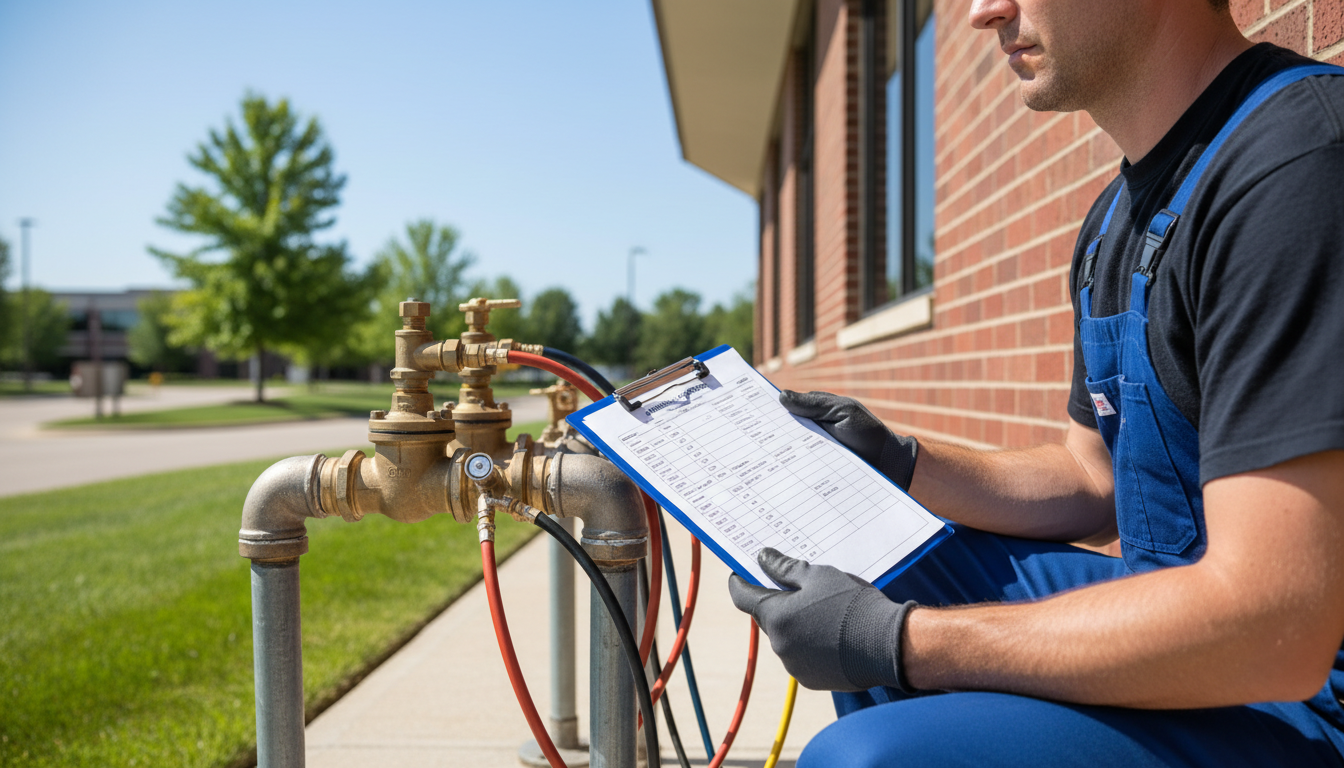
Plumbing backflow testing leads represent one of the highest-margin recurring revenue opportunities in your trade — yet most plumbing companies lose 60-70% of these contracts every year through missed calls, slow follow-up, and zero contract renewal tracking. Backflow certification is legally required in most municipalities, which means property managers, facility directors, and commercial clients need annual testing whether they want it or not. Lock in these contracts properly, and you've got guaranteed revenue without ever bidding against competitors again.
Why Plumbing Companies Lose Money on Backflow Testing
The problem isn't getting backflow leads — it's what happens after they call. According to PHCC (Plumbing-Heating-Cooling Contractors Association), backflow testing generates 22-28% profit margins, far higher than emergency service calls or installation work. But those margins evaporate when you miss the initial call or forget to renew contracts the following year.
Here's the pattern we see constantly: A property manager calls three plumbers in April when they get their backflow testing notice. The first two don't answer. The third picks up on the second ring, books the job within 48 hours, and completes the test by Friday. That third plumber just locked in a client worth $150-$600 annually for the next five to ten years — if they remember to call back next spring.
Most don't. They complete the work, file the paperwork with the water authority, and never add that client to a renewal list. Twelve months later, that same property manager calls the first plumber who answers. Your recurring revenue just became someone else's.
The Three Revenue Killers You're Not Tracking
Missed calls during testing season. Backflow testing clusters heavily between March and June when municipalities send violation notices. Your phone volume spikes 40-60% during these months, and every missed call is a lost multi-year contract, not just a one-time job.
No follow-up on quotes. Commercial clients often need board approval or budget allocation before booking backflow testing. If you quote a property on Monday and don't follow up by Thursday, they've already hired someone else who did.
Zero renewal tracking. This is the biggest leak. You complete 80 backflow tests in May, then completely forget about those clients. Next April, they're calling your competitors because you never reached out first.
Why Smart Plumbers Treat Backflow Like an Annuity
The contractors making real money from backflow certification marketing don't treat it like service work — they treat it like selling insurance. You sell it once, then collect annually with near-zero acquisition cost. A single 30-unit apartment complex paying $450/year for backflow testing is worth $4,500 over ten years. A commercial property with multiple backflow devices? You're looking at $800-$1,200 per year, per property.
But here's the part that changes everything: renewal rates on backflow contracts hit 85-92% when you call the client 60 days before their test is due. They need the service legally. You already did good work last year. The conversation takes 90 seconds. Yet most plumbing companies never make that call because no one on the team owns the renewal calendar.
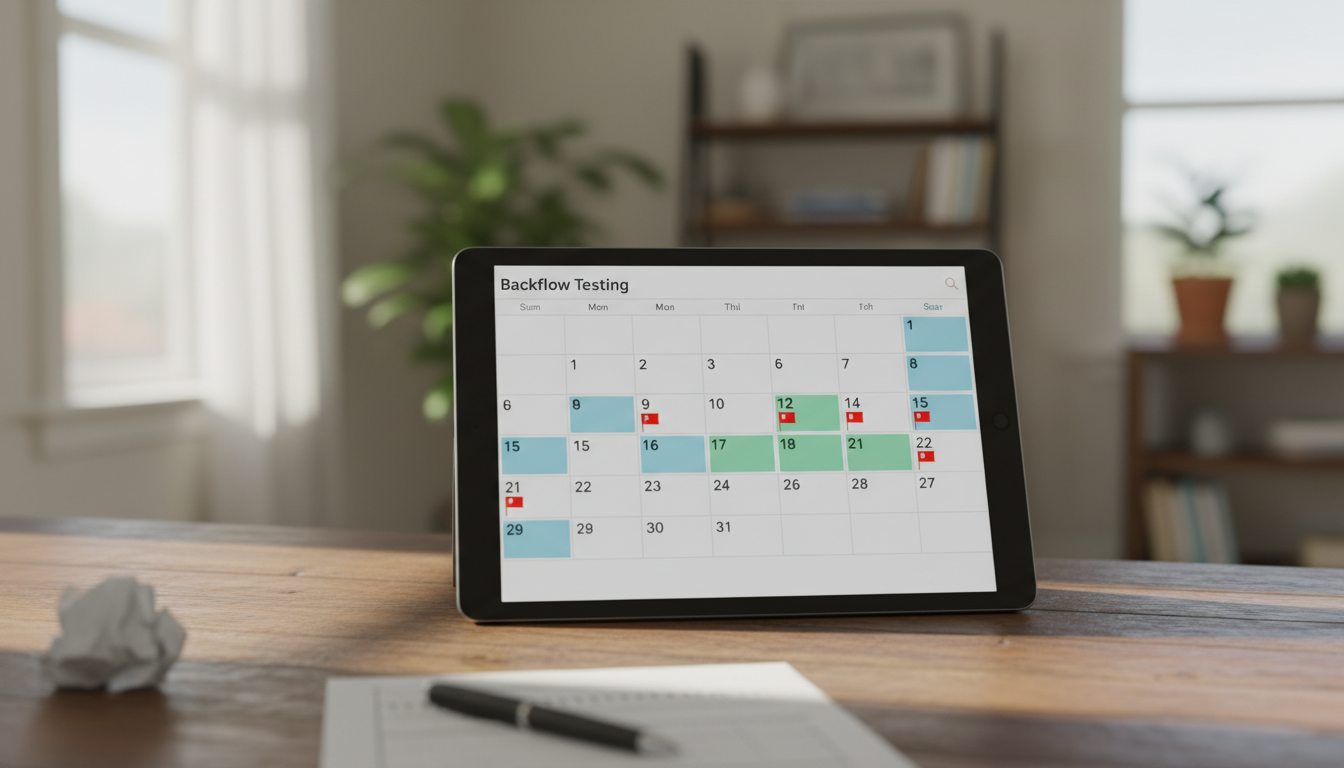
That's exactly why BookAllLeads exists. We're a fully managed front office team that handles your inbound calls, books your backflow jobs within two hours, and — critically — tracks every client on a renewal calendar. Sixty days before their annual test is due, we're calling them to get back on the schedule. You complete the work. We handle everything else. Live in five days, and you never touch a spreadsheet.
What a Properly Managed Backflow Book Looks Like
Let's say you complete 120 backflow tests this year at an average ticket of $280. That's $33,600 in revenue. Fine. Now let's say 90% of those clients renew next year because someone on your team called them in March. That's $30,240 in booked revenue before spring even starts — no ads, no bidding, no driving around handing out flyers.
By year three, you're sitting on 250+ recurring backflow clients worth $70,000+ annually. That's more than most plumbers make on new construction work, and you're completing these jobs during shoulder seasons when call volume is slow. Calculate your losses from missed renewals and you'll see why backflow should be 15-20% of your revenue.
How to Turn Backflow Testing Into Predictable Monthly Revenue
First, stop thinking about backflow as project work. It's subscription revenue. Your goal isn't to test devices — it's to lock in contracts that renew automatically every year. That requires three operational shifts that most plumbing companies never make.
Answer Every Call During Peak Season
According to InsideSales.com, leads contacted within five minutes are 21 times more likely to convert than leads contacted after 30 minutes. For backflow testing, that window is even tighter. Property managers need proof of compliance by a deadline. They're calling plumbers in order down their list until someone picks up and can get there this week.
You need live answer rates above 90% from March through June. If you're on a job site or running service calls, you're not picking up. Your voicemail says you'll call back tonight. By tonight, they've hired someone else.
Book the Job Before You Hang Up
Backflow leads go cold fast. Don't tell a property manager you'll "swing by next week to take a look." They know what they need — an annual test, documentation filed with the city, and a signed certificate. Quote them on the phone (you've done 500 of these — you know the price), confirm the property address, and get them on the calendar before the call ends.
Here's what most articles won't tell you: The real money in backflow isn't the testing itself — it's becoming the plumber that property manager calls for everything else. Once you're the licensed contractor on file for their backflow compliance, you're first in line for valve replacements, pressure issues, sewer work, and tenant turnovers. Backflow contracts are door-openers to five-figure relationships, but only if you treat that first call like it matters.
Build the Renewal Calendar Now
Every backflow test you complete this year needs three pieces of information logged immediately: client name, property address, and test date. Sixty days before next year's test is due, someone calls them to schedule. Not email. Not a postcard. A real person making a real call: "Hi, this is Sarah from [Your Company]. We completed your backflow test last May. Your annual test is due in eight weeks. Can I get you back on the schedule?"
That call books 85-92% of the time. Without that call, your renewal rate drops below 40%. You're essentially re-marketing to the same clients every single year, competing against every other plumber who answers their phone faster.
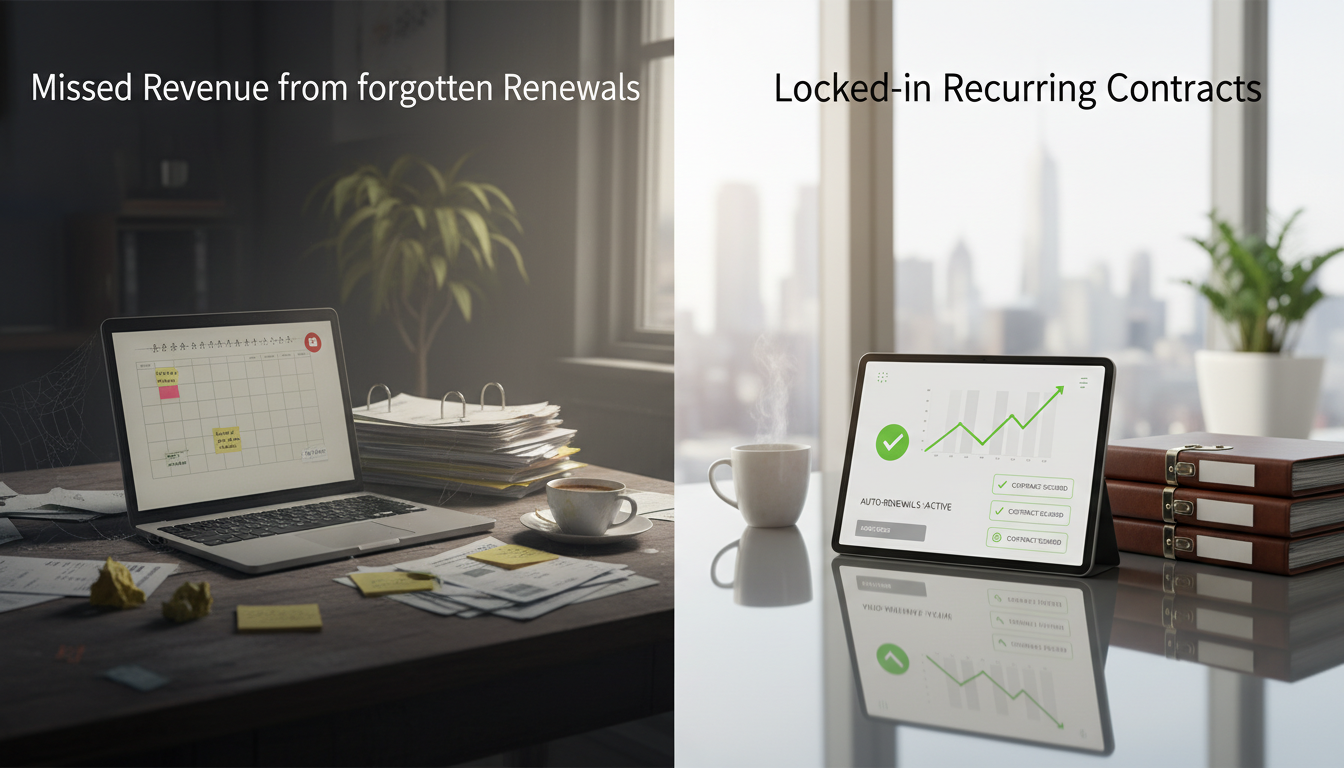
The Real Cost of Ignoring Backflow Prevention Revenue
Let's do the math on what you're leaving on the table. The average plumbing company in a mid-sized market completes 60-100 backflow tests per year. Let's be conservative and say you do 70 tests at $250 each. That's $17,500 in annual revenue. Not bad for a service that takes 45 minutes per property.
But here's where it gets painful. Without a renewal process, you're losing 60-65% of those clients every year. That means you're walking away from $11,375 in revenue that should renew automatically. Over five years, that's $56,875 in lost backflow prevention revenue — from clients you already earned once.
Now add the downstream revenue. Property managers who trust you with backflow compliance call you first for everything else. A single 40-unit apartment complex is worth $4,000-$8,000 annually in maintenance work, valve replacements, and emergency calls. Lose the backflow contract, and you lose access to all of it.
Why Most Plumbers Never Fix This
It's not that they don't see the opportunity. It's that managing recurring contracts requires front office infrastructure most small plumbing companies don't have. You need someone answering calls during the day. You need a calendar tracking renewal dates. You need someone making outbound reminder calls 60 days before tests are due.
If you're the owner-operator, you're on job sites. Your field guys aren't picking up office calls. Your spouse helps with invoicing but isn't calling through a renewal list. So the backflow work becomes transactional — you chase leads every spring like everyone else instead of locking in recurring contracts.
How to Lock In Backflow Contracts Your Competitors Will Never Get
The companies winning backflow work long-term do two things differently: they respond faster than everyone else during peak season, and they own the renewal relationship with every client. Both require a front office team that treats plumbing backflow testing leads like the high-value recurring contracts they are.
Speed wins the first contract. Every backflow lead should be contacted within two hours, quoted on the first call, and scheduled within 48 hours. Anything slower and you're second choice.
Process wins the renewal. Sixty days before the annual test is due, your team calls to re-book. If they don't answer, you call twice more. If they've sold the property, you ask for the new owner's contact info. If they've hired a facilities company, you pitch them on managing backflow for their entire portfolio.
This is how single-plumber operations turn into $1M+ shops. They stop chasing one-time service calls and start building books of recurring revenue. Your front office team does the grunt work — answering, booking, tracking, renewing — while you run the jobs.
What Happens When You Actually Track Renewals
One plumber we work with went from 50 backflow tests in year one to 180 in year three. Not because he got better at marketing. Because he stopped losing clients. His renewal rate went from 38% (industry average without follow-up) to 89% (with proactive outbound reminders). His backflow revenue went from $14,000 to $48,000 annually, and 70% of it was pre-booked by April.
He now blocks off two weeks in May and two weeks in June exclusively for backflow work. No emergency calls. No residential service. Just high-margin compliance testing for clients already on his calendar. That's $48,000 in revenue he can forecast in January, and it costs him almost nothing to maintain.
Stop Chasing Leads and Start Locking In Contracts
Plumbing backflow testing leads aren't like other service calls. They're not one-time emergencies. They're annual obligations that property managers, facility directors, and commercial clients need handled every single year. Win the contract once, and you should keep it for a decade.
The only reason you're not keeping it is because no one on your team is managing renewals. You complete great work, file the paperwork, then forget the client exists. Twelve months later, they're calling the first plumber who picks up — which is rarely you during peak season.
This isn't a marketing problem. It's an operations problem. You need live answer rates above 90% during testing season. You need fast follow-up on quotes. You need a renewal calendar that someone actually owns. If you're too busy running calls to manage that, BookAllLeads handles it for you. A fully managed front office team — live in five days, no contracts, and we're tracking every renewal so you stop losing clients you already earned.
Frequently Asked Questions
How much should I charge for backflow testing?
Most plumbing companies charge $150-$350 for a single backflow device test, depending on device complexity and local market rates. Multi-unit properties with multiple devices should be priced per device with volume discounts (e.g., $200 for the first device, $120 for each additional). Always include paperwork filing and certification in your base price — property managers need proof of compliance, not just the test.
Do I need special certification to perform backflow testing?
Yes. Most states require plumbers to hold a backflow prevention assembly tester certification in addition to their plumbing license. Certification courses typically take 1-2 weeks and cost $400-$800. You'll also need calibrated test equipment (around $1,200-$2,500 for a quality gauge kit). Once certified, you're required to recertify every 2-3 years depending on your state.
What's the best way to find backflow testing clients?
Start with your existing commercial clients — many don't realize you offer backflow testing. Then target property management companies, apartment complexes, HOAs, schools, restaurants, and medical facilities. These properties are legally required to test backflow devices annually. Direct outreach works better than ads because you're selling compliance, not competing on price. Once you lock in the contract, renewals happen automatically if you track them.
How do I make sure clients renew their backflow contracts?
Call them 60 days before their annual test is due. Not email — call. Renewal rates hit 85-92% with proactive outreach and drop below 40% without it. Keep a spreadsheet or calendar with every client's test date, then block off time in March to call through your list. If you don't have time for this, hire someone part-time to manage it or work with a front office team that tracks renewals for you.
Is backflow testing profitable for small plumbing companies?
Extremely. Backflow testing generates 22-28% profit margins, requires minimal material costs, and takes 30-60 minutes per property. More importantly, it's recurring revenue — the same clients need the same service every year. A book of 100 backflow clients worth $250 each is $25,000 in annual revenue you can forecast months in advance. That's more predictable than emergency calls or project work.
What happens if I miss a backflow testing deadline for a client?
The property gets fined by the municipality (usually $100-$500), and the client never calls you again. Worse, they'll tell other property managers you're unreliable. Backflow compliance has hard deadlines — usually 30-60 days after the annual notice goes out. If you can't meet those deadlines reliably, don't take the work. It's better to say no upfront than to damage your reputation by missing a compliance deadline.
John Edmonds is a native Texan and military combat veteran. He founded Book All Leads after identifying a critical gap in the service industry: business owners losing revenue not from lack of skill, but because no one was handling the calls, follow-ups, reviews, and payments while they were busy doing the work.
View LinkedIn Profile →