
Plumbing companies lose plumbing remodel leads because homeowners call general contractors first when planning whole-house renovations, even when plumbing is 30-40% of the project cost. The typical homeowner thinks "contractor" for a kitchen or bathroom remodel and "plumber" only when something breaks. By the time you get the call, you're a subcontractor bidding against the GC's markup instead of the primary relationship controlling the job.
Why Homeowners Call GCs Instead of Plumbers for Kitchen and Bath Remodels
Homeowners planning a $40,000 kitchen remodel don't think of calling a plumber first because you've positioned yourself as the emergency repair guy, not the project lead. Your truck says "24-hour service." Your website shows burst pipes and water heaters. Your Google reviews mention fast response to leaks. None of that signals "I can lead your dream bathroom renovation."
Meanwhile, the general contractor shows up with renderings, material samples, and a timeline. They ask about the homeowner's vision. They coordinate everything. The plumbing work gets buried in a line item you'll never see until you're bidding as a sub.
Here's what most articles won't tell you: The phone call that determines who controls the job happens 3-6 weeks before any work starts. According to the Plumbing-Heating-Cooling Contractors Association, residential remodeling accounts for over $150 billion annually in the U.S., with plumbing representing 25-35% of project costs in kitchen and bathroom renovations. If you're only getting emergency calls, you're missing the highest-margin work in residential plumbing. That first conversation sets the relationship. If a GC gets it, you're subbing. If you get it, you're hiring electricians and tile guys.
The Problem: Your Phone System Kills High-Value Opportunities Before You Know They Existed
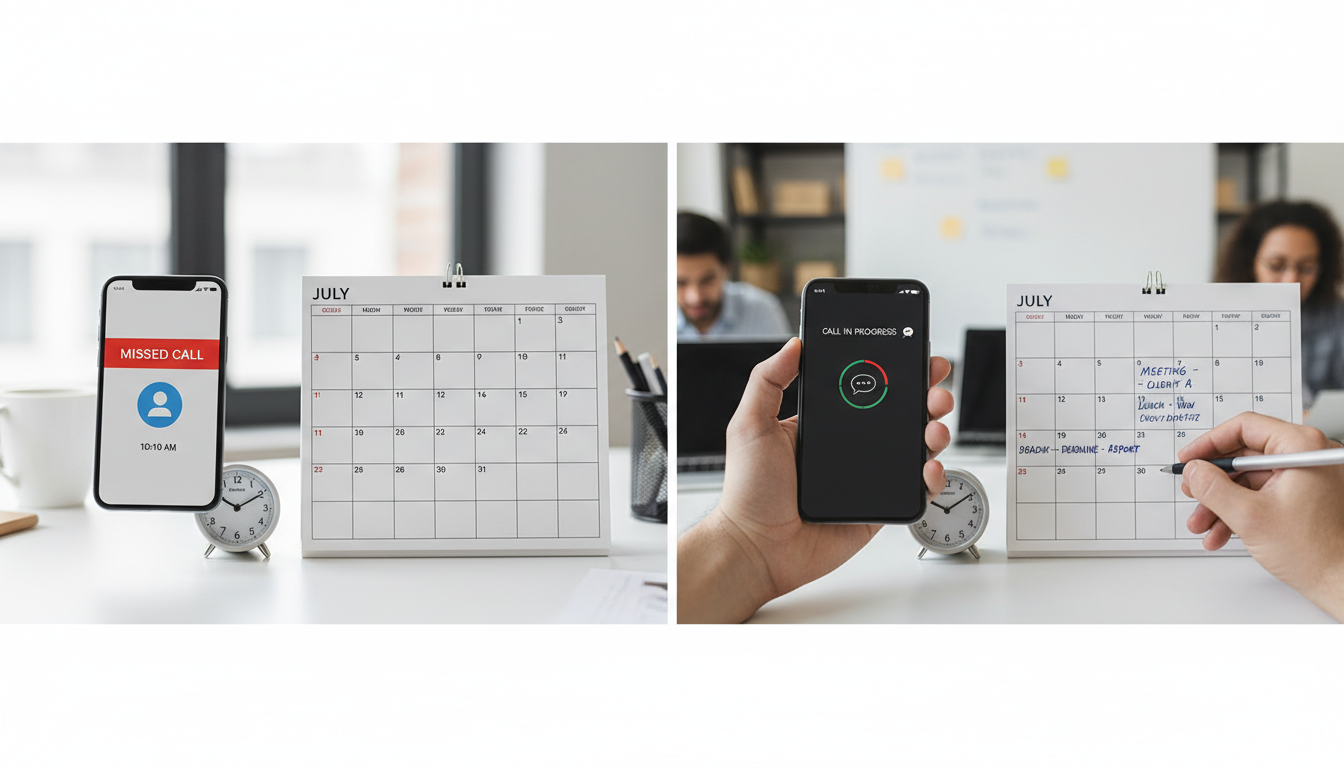
You're losing plumbing renovation jobs because you can't answer the phone when homeowners call. A couple planning a $60,000 master bath remodel calls four contractors in an afternoon. You're under a sink. They leave a voicemail. You call back three hours later. They've already scheduled estimates with two other companies.
That's the job. Gone. They're not calling you back.
According to InsideSales.com, leads contacted within five minutes are 21 times more likely to convert than those contacted after 30 minutes. For remodel work where homeowners are comparison shopping and project values exceed $20,000, every hour of delay hands the relationship to whoever picked up first.
Why Voicemail Loses Remodel Work (But Works Fine for Emergencies)
Emergency calls are different. Someone with a flooded basement will wait for a callback because they need help now and their options are limited. Remodel calls are shopping calls. The homeowner has a list. They're methodical. They want to talk to someone who sounds interested and available.
When you don't answer, they assume you're too busy to take on a big project. They're partly right. You are too busy—just not with the work you think.
Why This Keeps Happening: You're Running Jobs, Not a Front Office
The core problem isn't marketing or pricing. It's operations. You're a skilled plumber running a business that requires someone answering calls, qualifying leads, scheduling estimates, following up, and sending proposals while you're working. One person can't do both well.
Most plumbing companies try one of three things:
- Answer between jobs: You call back when you can. Remodel leads go cold. Emergency work fills your schedule because it's immediate and doesn't require nurturing.
- Hire an office person: Works if you have enough volume to justify $35,000-45,000 a year plus benefits. Doesn't work if they're sick, on vacation, or quit without notice.
- Use an answering service: They take messages. You still call back hours later. Same problem, extra cost.
None of these capture the high-value remodel lead who calls at 2 PM on a Tuesday, talks to someone who understands plumbing projects, and books an estimate for Thursday.
That's where a full front office team changes the equation. BookAllLeads provides six roles working around the clock—call answering, appointment scheduling, payment collection, follow-up, and customer communication. No software for you to learn. No hiring or managing. Live in five days. When a homeowner calls about a bathroom remodel, they talk to someone immediately, get their questions answered, and have an estimate on your calendar before they call the next contractor.
How GCs Win the Positioning Battle (And What to Steal From Them)
General contractors don't win because they're better plumbers. They win because they control the conversation from the first call. Here's how they do it and how you can adapt their playbook without becoming a GC.
They Answer Questions Before Asking for the Sale
When a homeowner calls a GC about a kitchen remodel, the conversation starts with questions: What's your timeline? What's driving the remodel? Have you thought about layout changes? It feels consultative, not sales-focused.
You can do this for plumbing-heavy projects. When someone calls about a bathroom remodel, the person answering your phone should ask: Are you changing the footprint? Relocating fixtures? Considering a walk-in shower? These questions position you as the expert who understands the project, not the vendor waiting for instructions.
They Make Scheduling Easy and Immediate
GCs book estimates during the first call. Not "I'll check my schedule and call you back." Not "I'll have someone reach out." They look at their calendar and say, "I can come Thursday at 10 or Friday at 2."
If your system can't do that in real-time, you're losing to whoever can.
They Follow Up Like It's Part of the Job
After an estimate, GCs send a proposal within 24-48 hours and follow up three days later. They don't wait for the homeowner to call back. They assume the homeowner is busy and needs a nudge.
According to Vendasta, 80% of sales require five follow-up calls after the initial contact, but 44% of salespeople give up after one follow-up. For remodel work where decision cycles run 2-4 weeks, consistent follow-up separates closed jobs from dead leads. Your front office should be doing this automatically.
The Fix: Reposition Around Projects, Not Emergencies
To get called first for plumbing remodel leads, you need to change how homeowners see you before they pick up the phone and ensure someone answers when they do. Both matter. Neither works alone.
Stop Marketing Emergency Service When You Want Project Work
Look at your website, truck, and Google Business Profile. If the first thing people see is "24/7 Emergency Plumbing," you're telling homeowners you fix problems, not plan projects.
Add a section on bathroom and kitchen remodels. Show before-and-after photos. List services like fixture upgrades, pipe rerouting, water line installation for new appliances, and rough-in for layout changes. Use words like "renovation," "remodel," and "upgrade" in your headings and service descriptions.
This isn't about abandoning emergency work. It's about making sure the $50,000 remodel customer sees themselves in your marketing, not just the burst pipe customer.
Train Your Front Office to Qualify and Convert Remodel Leads
Emergency calls are transactional. Remodel calls are consultative. The person answering needs to know the difference and respond accordingly.
For a remodel inquiry, they should:
- Ask about the scope and timeline
- Confirm whether other trades are involved
- Explain your process for estimates and project management
- Book an in-home consultation, not just a quote appointment
- Send a follow-up email within an hour confirming the appointment and what to expect
This level of response requires training and availability. If you're answering your own phone between jobs, it's not happening consistently.
Get in Front of Projects Before Homeowners Call Anyone
The best plumbing renovation jobs come from relationships, not Google searches. Partner with kitchen and bath designers, interior designers, and real estate agents who work with buyers planning updates. Offer to consult on plumbing feasibility before designs are finalized.
When you're in the planning conversation, you're not competing with GCs. You're the expert they're calling to make their vision work.

What a Real Win Looks Like: From Missed Call to $80K Project
A plumbing company in Tacoma was getting plenty of calls but booking mostly service work and water heater replacements. Remodel inquiries went to voicemail and rarely converted. The owner knew he was losing opportunities but couldn't figure out where.
The problem wasn't lead volume. It was response time and conversation quality. He brought in a front office team to handle calls, and within the first month, a homeowner called about a master bath and kitchen remodel. The team answered on the second ring, asked about the project scope, learned they were moving plumbing for a new island and relocating the shower, and booked a consultation for two days later.
During the estimate, the owner walked the homeowner through fixture options, explained the rough-in requirements, and outlined a timeline. He sent a detailed proposal that evening. The team followed up three days later. The homeowner signed a $78,000 contract that included all plumbing for both rooms, fixture supply, and coordination with the tile contractor.
The difference wasn't the owner's skill. It was having someone answer the phone who could start the relationship before the homeowner called someone else.
How to Calculate What Missed Remodel Calls Cost You
You probably don't know how many remodel leads you're losing because you don't know how many called and didn't leave a message or left one and hired someone faster.
Start tracking these three numbers:
- Missed calls per week: Check your phone system. Count calls that rang but weren't answered.
- Average remodel project value: Pull your last 10 remodel jobs and calculate the average invoice.
- Conversion rate on answered calls: If you answer and have a real conversation, how often does it turn into an estimate? How often does an estimate close?
Multiply missed calls by your average project value and a conservative 10-15% close rate. That's your monthly revenue leak. For most plumbing companies, it's enough to pay for a full front office and still add five figures to the bottom line.
You can calculate your losses based on your actual call volume and project values. Most owners underestimate the gap until they see it in dollars.
Why Most Plumbing Contractor Marketing Advice Misses the Point
If you've read other articles on getting more plumbing renovation jobs, you've probably seen advice about SEO, Google Ads, and social media. All of that can work. None of it matters if you can't answer the phone.
Marketing generates demand. Your front office captures it. According to the National Association of Home Builders, homeowners planning remodels contact an average of 3.2 contractors before making a decision. The contractor who answers first and makes scheduling easy wins a disproportionate share of the work. Speed and availability beat perfect messaging every time.
Here's the insight that changes how you think about lead generation: You don't have a lead problem. You have a lead capture problem. The calls are coming. You're just not structured to turn them into revenue.
Fix the capture side first. Then scale marketing. Doing it backwards burns money.
Frequently Asked Questions
How do I compete with general contractors who offer design services?
You don't need to offer full design services to win plumbing-heavy remodels. Partner with kitchen and bath designers and position yourself as the plumbing expert who makes their designs work. Homeowners hiring designers still need a plumber—being the one the designer recommends puts you in the lead role without needing to render cabinets.
Should I turn down remodel work if I'm already busy with service calls?
Remodel work is higher margin and more predictable than service calls. If you're too busy to take it, you're too busy with the wrong work. Start by taking one remodel project per quarter and adjust your service pricing up to create capacity. The goal is to shift your mix toward project work, not add remodels on top of an unsustainable service load.
What's the best way to follow up with a remodel lead after sending an estimate?
Call three business days after sending the proposal. Don't ask "Did you get my estimate?" Instead, say "I wanted to see if you had any questions about the scope or timeline." If they're not ready to decide, ask when they plan to move forward and schedule a specific follow-up date. Most remodel leads go cold because no one follows up more than once.
How long does it take to start getting remodel leads consistently?
If you're already getting some remodel inquiries but not closing them, fixing your response time and follow-up can show results within 30 days. If you're not getting inbound remodel calls at all, repositioning your marketing and building referral partnerships typically takes 60-90 days before you see consistent lead flow.
Do I need a showroom to win high-end bathroom remodel jobs?
No. Most homeowners planning remodels visit showrooms for fixtures and finishes, but they hire plumbers based on responsiveness, references, and expertise. Bring fixture catalogs to consultations, explain options clearly, and connect homeowners with local showrooms where they can see products in person. Your job is to guide the selection and execute the install, not stock inventory.
What's the average timeline from first call to starting a residential plumbing remodel?
For most bathroom and kitchen remodels, expect 2-4 weeks from initial contact to signed contract, then another 2-6 weeks before work starts depending on the homeowner's timeline and permitting. The longer the cycle, the more important consistent follow-up becomes. Leads that take 60 days to close need 4-6 touchpoints to stay warm.
Stop Losing the Jobs You Should Be Leading
Plumbing remodel leads don't disappear because homeowners don't need plumbers. They disappear because someone else answered the phone first, made scheduling easy, and followed up like a professional. You're leaving six-figure annual revenue on the table because your operation can't capture what your reputation and skills have already earned.
The fix isn't more marketing. It's a front office that works while you do. BookAllLeads gives you a full team handling calls, booking jobs, collecting payments, and following up so remodel leads turn into signed contracts instead of missed opportunities. No software to learn. Live in five days. Let us handle the front office while you run the jobs.
John Edmonds is a native Texan and military combat veteran. He founded Book All Leads after identifying a critical gap in the service industry: business owners losing revenue not from lack of skill, but because no one was handling the calls, follow-ups, reviews, and payments while they were busy doing the work.
View LinkedIn Profile →