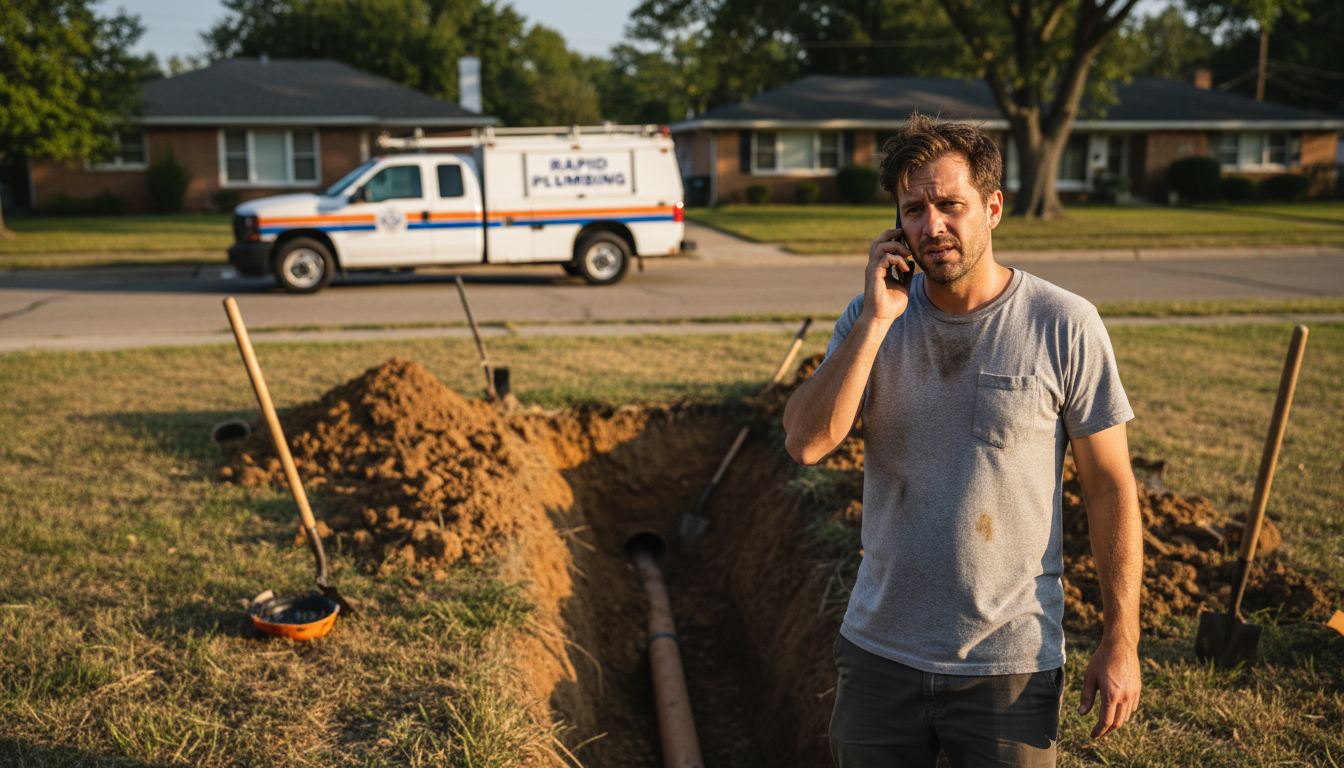
Plumbing sewer line leads are some of the highest-value opportunities in the trades—averaging $8,000 to $15,000 per job—but most plumbing companies lose 40-60% of them before ever scheduling an estimate. The reason isn't your pricing or expertise. It's that homeowners facing a sewer emergency call 4-5 companies in rapid succession, and whoever books the appointment fastest usually wins the job. If your phone rings to voicemail, goes unanswered after hours, or takes more than two callbacks to schedule, you're handing five-figure jobs to competitors with faster booking.
Why Sewer Line Jobs Disappear Before You Even Know About Them
When a homeowner discovers sewage backing up into their basement or their yard soaked from a broken main line, they're not comparison shopping—they're in crisis mode. According to HomeAdvisor, the average sewer line replacement costs between $3,381 and $7,332, with full replacements reaching $15,000 or more. These are high-ticket plumbing jobs that can make or break your month.
Here's the problem: The homeowner calls you at 7:15 PM on a Tuesday. You're finishing a job across town. Your phone is in the truck. By the time you see the missed call and return it 45 minutes later, they've already booked with the company that answered on ring two. You just lost $12,000 because you were doing your job.
Here's what most articles won't tell you: Speed-to-contact isn't just about being polite—it's about trust formation during panic. When someone is facing a sewage emergency, the first company that answers and confidently says "We can have someone there tomorrow at 10 AM" becomes the de facto expert in their mind. Every callback delay after that makes you look like the backup option, even if you're the best plumber in town.
The Window Is Smaller Than You Think
Research from InsideSales.com found that response times beyond five minutes reduce lead qualification rates by 80%. For sewer line replacement leads, the window is even tighter. Homeowners don't wait—they keep calling down their search results until someone picks up and books them.
One plumbing contractor in Des Moines tracked his sewer line leads for three months. Out of 47 inbound calls for sewer work:
- 31 came after 5 PM or on weekends
- 22 went to voicemail initially
- Of the 22 voicemails, only 8 resulted in booked appointments
- He estimates he lost $90,000+ in sewer jobs that quarter alone
What's Actually Happening While You're Busy
Most plumbing companies lose sewer line leads not because they're unavailable, but because their booking process has too much friction between "interested caller" and "scheduled appointment." The homeowner calls, leaves a message, waits. You call back, they miss it. You play phone tag for two days. By the time you connect, they've already had three other plumbers walk their property.
The companies winning these jobs aren't necessarily better plumbers. They have people dedicated to answering calls and booking appointments—a front office that treats every inbound sewer line lead like the $10,000 opportunity it is.
That's where BookAllLeads changes the math completely. Instead of adding software you have to learn or hiring staff you have to manage, you get six dedicated roles working around the clock—receptionists, schedulers, payment collectors—handling every call within seconds, booking the appointment while the homeowner is still motivated, and following up until it's confirmed. You're live in five days, no contracts, no training videos. Just a team that picks up your phone and fills your calendar with high-ticket plumbing jobs.
Why Sewer Work Requires Different Booking Than Drain Cleaning
A clogged kitchen sink is an annoyance. A collapsed sewer line is a catastrophe. The emotional state of someone calling about sewer work is fundamentally different, and your booking approach needs to match. These callers are stressed, often embarrassed, and making a decision worth more than their monthly mortgage payment. They need immediate reassurance that help is coming.
Standard booking questions—"What's your availability?" or "Let me check the schedule and call you back"—kill conversion on sewer line replacement leads. The homeowner hears hesitation and keeps calling. The winning approach is decisive: "I can have our lead technician there tomorrow at 9 AM or 1 PM. Which works better for you?"
The First-Call Close Advantage
According to the Plumbing-Heating-Cooling Contractors Association, the average plumbing business has a profit margin of just 5-15%. On an $8,000 sewer line job, that's $400-$1,200 in actual profit. Losing even one of these jobs per month costs you $5,000-$15,000 annually in take-home income.
Companies that book sewer appointments on the first call—not the third callback—report closing 60-70% of estimates. Those requiring multiple touchpoints to schedule see close rates below 30%. The difference isn't the quality of your estimate. It's that by the time you arrive, two other companies have already presented theirs.
How After-Hours Calls Decide Who Gets the Work
Most sewer emergencies don't happen at 10 AM on a Wednesday. They happen when someone flushes the toilet before bed and sewage bubbles up through the shower drain. Or Saturday morning when they're doing laundry and the basement floods. The Bureau of Labor Statistics reports that there are approximately 133,900 plumbers employed in the United States, but the vast majority operate during standard business hours despite emergencies being time-agnostic.
If your after-hours strategy is "call our emergency line and leave a message," you're losing every single weekend sewer job to the company with live people answering 24/7. Even if you call back within an hour, they've moved on.
The Weekend Sewer Job Gold Rush
One plumber in Austin started tracking when high-ticket jobs came in. Over six months, 68% of his sewer line leads called outside normal business hours. Before he had dedicated phone coverage, he booked 11% of them. After implementing a team that answered every call live, his booking rate jumped to 64%. Same market. Same truck. Same pricing. Different outcome.
Your availability to answer doesn't just affect booking rates—it affects the perceived legitimacy of your business. A homeowner facing a $12,000 decision wants to feel like they're hiring a real company, not someone who might answer if they're not too busy.
What Actually Converts a Sewer Line Caller Into a Booked Job
Converting plumbing sewer line leads requires three things to happen in the first 90 seconds of the call: establishing that you understand the urgency, confirming you can help soon, and locking in a specific appointment time. Miss any of those three, and the homeowner hangs up still shopping.
Here's what loses jobs:
- "Can you send me some photos and I'll call you back with pricing?" (They want someone on-site, not a phone estimate)
- "Our next available is Thursday afternoon." (Your competitor said tomorrow morning)
- "Let me have the owner call you back." (They needed confidence now, not a callback promise)
Here's what wins them:
- "That sounds like a main line issue—we handle these all the time. I can get you on the schedule for tomorrow at 10 AM. Does that work?"
- Confident, specific language that makes them feel like they've found the right company
- Booking the appointment before ending the call—no follow-up required

Why Most Plumbers Can't Answer Fast Enough (And What That Costs)
You're under a house running a new water line. You're in the supply store. You're finishing a quote. You're driving between jobs. The reality of running a plumbing company means you physically cannot answer every call in real-time, and that's exactly when sewer line leads come in.
Want to know what that's costing you? Use our calculator to see your actual revenue loss from missed calls. Most plumbers are shocked to discover they're losing $40,000-$80,000 annually just from after-hours and missed sewer work.
The Hiring Trap Most Plumbers Fall Into
Some contractors try to solve this by hiring a receptionist. That helps during business hours, but it doesn't cover evenings, weekends, or when that person is on lunch, sick, or on vacation. And for a 2-10 person plumbing company, dedicating $35,000-$45,000 annually to one office person who still can't provide 24/7 coverage rarely makes financial sense—especially when sewer jobs are unpredictable.
The companies dominating sewer line replacement leads have front office teams, plural—people whose only job is making sure every call gets answered, every caller gets booked, and every appointment gets confirmed. That's not realistic to build in-house unless you're running 15+ trucks.
How the Best-Booked Plumbers Actually Operate
The plumbing companies with full calendars of high-ticket sewer work aren't working harder—they've removed themselves from the phone entirely. They have a dedicated team handling every inbound call, doing the back-and-forth to lock appointments, sending confirmations, and following up with no-shows. The plumber focuses on the actual work, and the front office handles everything else.
This isn't just about answering calls. It's about having someone who:
- Knows how to talk to a panicked homeowner with sewage in their basement
- Can check your calendar and book the appointment without needing your input
- Sends appointment confirmations and reminders so people actually show up
- Follows up after the estimate to close the job
- Collects payments and deposits so you're not chasing money
That's six different roles. Most small plumbing companies try to do all six themselves between jobs, and wonder why their booking rate is 30% instead of 70%.
What Happens When You Actually Answer Every Sewer Call
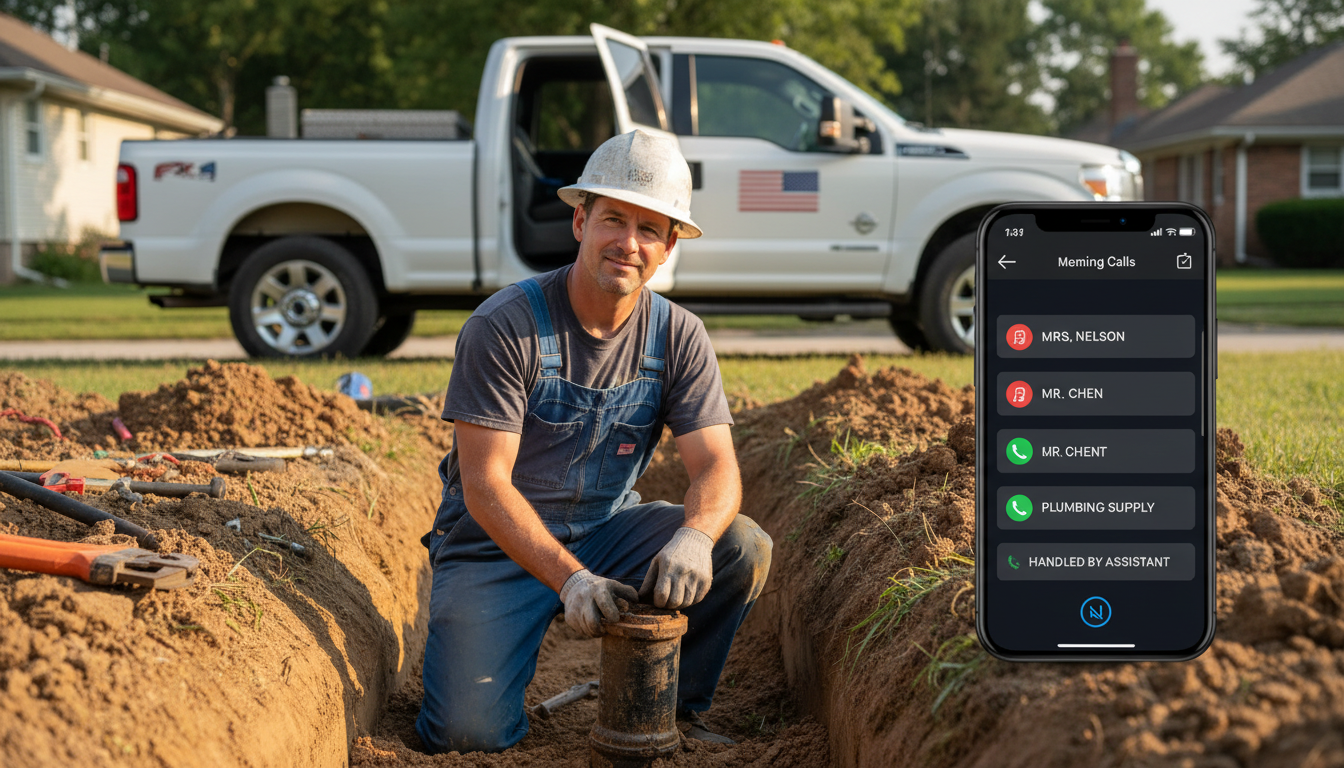
A plumbing contractor in Charlotte was averaging two sewer line jobs per month, each around $9,000. He knew he was missing calls but didn't realize how many until he brought in a team to handle his phones. First month: five sewer jobs booked. Second month: seven. Third month: six, plus three add-on whole-house repipes from the sewer customers.
Same marketing. Same Google ranking. Same reputation. The only change was answering every call live and booking appointments on the spot. His revenue from sewer work alone jumped from $216,000 annually to over $620,000. The difference was conversion, not lead volume.
The Follow-Up Multiplier Nobody Talks About
Here's another hidden loss: Most plumbers do the estimate, send the quote, and wait. If the homeowner doesn't call back, they assume they lost on price. But often, the homeowner is just overwhelmed and talking to multiple companies. Research from Harvard Business Review shows that acquiring a new customer costs 5-25 times more than retaining or converting an existing lead—yet most contractors never follow up after sending an estimate.
The companies with high close rates on sewer work have someone following up three days later: "Hi, this is Sarah from [Company]. Just wanted to check if you had any questions about the estimate we provided for your sewer line." That one call closes 15-20% of jobs that would have otherwise gone to someone else.
Frequently Asked Questions
How quickly do I need to answer a sewer line lead for it to convert?
Ideally within the first 1-2 rings, and certainly within five minutes. Data shows that response times beyond five minutes reduce lead qualification rates by 80%. For emergency sewer work, homeowners are calling multiple companies rapidly and booking with whoever answers first and can schedule them soonest. If you're returning calls 30-60 minutes later, you're already the backup option.
What's the average value of a sewer line replacement job?
According to HomeAdvisor, sewer line repairs average between $3,381 and $7,332, with full main line replacements often reaching $10,000 to $15,000 depending on length, depth, and local labor costs. These are the highest-ticket residential plumbing jobs most companies handle, which is why losing even one per month significantly impacts annual revenue.
Do I need 24/7 phone coverage for sewer work?
If you want to capture weekend and after-hours leads, yes. Most sewer emergencies don't happen during business hours—they happen when someone notices sewage backing up in the evening or discovers a soggy yard Saturday morning. Companies without after-hours coverage lose 60-70% of these high-ticket opportunities to competitors who answer live around the clock.
Why do sewer line leads convert differently than other plumbing calls?
Sewer line failures create immediate crises with health and property damage implications. Homeowners are emotionally stressed and making rapid decisions worth $8,000-$15,000. They need immediate reassurance and a confirmed appointment—not callbacks or "let me check and get back to you." The first company that answers confidently and books them typically wins the job, regardless of who might technically be the best plumber.
What's the biggest mistake plumbers make with sewer line leads?
Treating them like routine service calls. A clogged drain can wait until tomorrow. A broken sewer line cannot. The biggest mistake is slow response time followed by tentative scheduling ("I'll check my calendar and call you back"). By the time you call back, they've booked with the company that said "I can have someone there tomorrow at 9 AM" on the first call.
Can I really increase sewer jobs just by answering faster?
Yes. Multiple plumbing contractors have documented 200-300% increases in booked sewer work simply by implementing live call answering and first-call booking—with no changes to marketing, pricing, or service quality. The leads were always there. They were just converting for competitors who answered first. Speed-to-contact and confident scheduling are the primary conversion factors for emergency plumbing work.
Stop Losing High-Ticket Jobs to Faster Answering
Every sewer line lead that goes to voicemail is a potential $10,000 job you're handing to a competitor. The solution isn't working harder or carrying two phones—it's having a dedicated front office team that treats every call like the revenue opportunity it actually is.
You became a plumber to fix plumbing, not to play phone tag with stressed homeowners. Let someone else handle the calls, book the appointments, and fill your schedule with the high-ticket sewer work that actually moves your business forward.
If you're ready to stop losing plumbing sewer line leads to companies that just answer faster, see how BookAllLeads builds you a complete front office team that's live in five days—no software to learn, no staff to manage, just more booked jobs.
John Edmonds is a native Texan and military combat veteran. He founded Book All Leads after identifying a critical gap in the service industry: business owners losing revenue not from lack of skill, but because no one was handling the calls, follow-ups, reviews, and payments while they were busy doing the work.
View LinkedIn Profile →