
Appliance repair companies lose dishwasher leads to big box stores because they don't answer the phone fast enough during the critical decision window when homeowners are choosing between repair and replacement. When a dishwasher breaks, property owners call 3-5 businesses within 20 minutes—and whoever picks up first usually wins the job. Home Depot and Lowe's have dedicated call centers that answer in seconds, while most independent repair shops miss 40-60% of incoming calls because they're under a sink or driving between jobs.
The Problem: You're Losing the Race Before It Starts
When a dishwasher floods a kitchen floor or stops mid-cycle, homeowners don't carefully research repair options. They grab their phone and start dialing. The first business that answers with confidence and availability gets the appointment—usually within the first three calls.
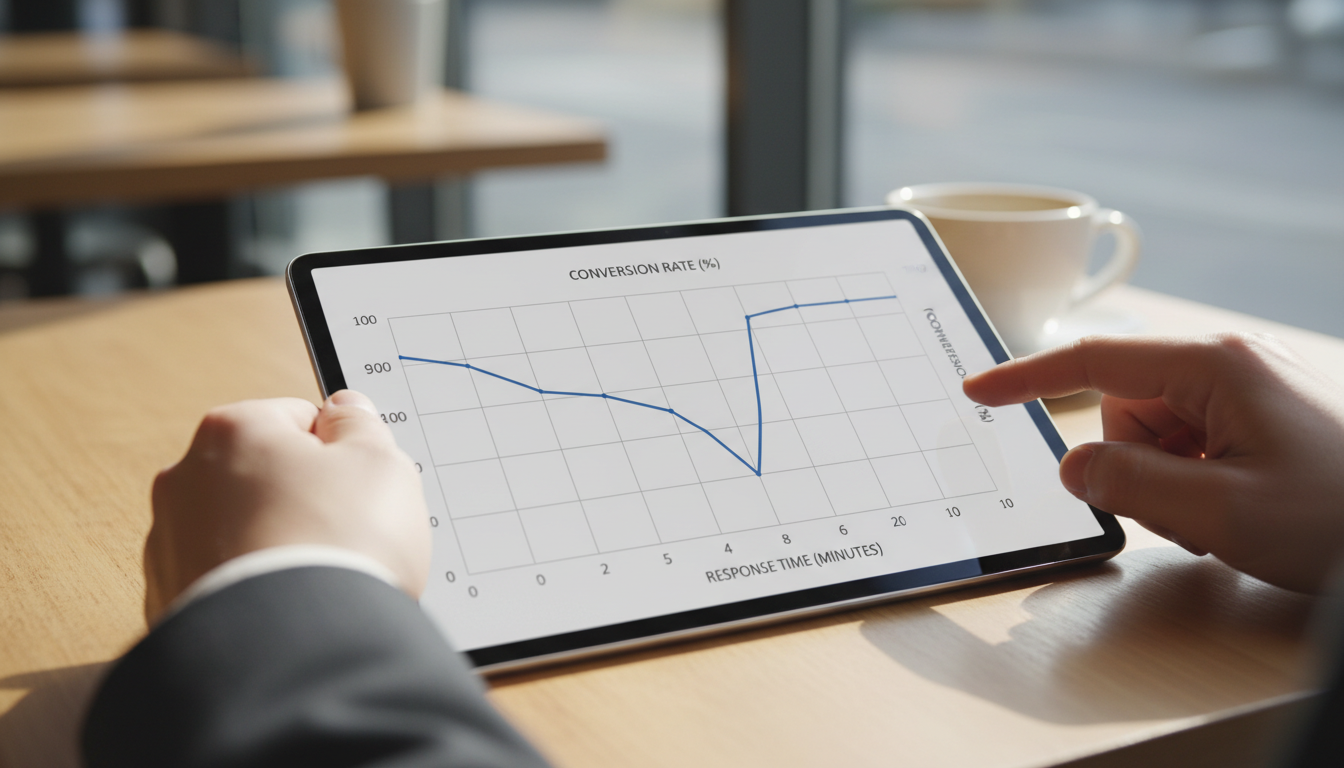
Here's where independent appliance repair companies get crushed: you're excellent technicians, but you're trying to diagnose a Bosch control board while simultaneously answering your phone, texting estimates, and keeping your service van organized. Big box stores have entire teams doing nothing but answering phones and booking appointments. According to Vendasta, businesses that respond to leads within 5 minutes are 100 times more likely to connect with and convert that lead compared to those who wait 30 minutes.
Your technical skills aren't the problem. Your availability is.
Why Homeowners Choose Big Box Stores (Even When You're Better)
Homeowners don't choose Home Depot because they trust their technicians more—they choose them because they answer immediately, offer same-day or next-day appointments, and remove all friction from the booking process. The decision to repair versus replace happens in a 24-hour window, and whoever controls that first conversation usually controls the outcome.
Independent repair shops typically return calls 2-4 hours later, after they've finished their current job. By then, the homeowner has already scheduled with someone else or driven to Lowe's to look at new models. You never even get the chance to explain that you can fix their dishwasher for $200 instead of them spending $800 on a replacement.
The Repair-vs-Replace Decision Window Is Shrinking
Here's what most articles won't tell you: The average homeowner now makes the repair-or-replace decision within 4 hours of the appliance failure, down from 24-48 hours a decade ago. They're Googling "dishwasher repair near me" and "new dishwasher cost" simultaneously. Whichever path offers the fastest, clearest answer wins—and retail stores have optimized their response time to capture this exact moment.
When someone calls Home Depot at 11 AM, they get an answer by 11:02 AM and a confirmed appointment by 11:05 AM. When they call your shop, they get voicemail, a callback at 2 PM, and maybe an appointment for Thursday. The cognitive load of waiting pushes them toward the immediate solution: buying new.
What's Actually Costing You Dishwasher Repair Revenue
The revenue leak isn't just the calls you miss—it's the compounding effect of losing the entire customer relationship. A homeowner who can't reach you for dishwasher repair won't call you for refrigerator service six months later. They've already established a relationship with whoever answered first.
According to Harvard Business Review, acquiring a new customer costs 5-25 times more than retaining an existing one. Every missed dishwasher call isn't just a $150-$300 service ticket lost—it's the potential $2,000-$4,000 in lifetime appliance repair value that household represents.
Most appliance repair companies focus on marketing: better Google ads, more reviews, fancier trucks. But if you're spending $500/month on ads and missing half your inbound calls, you're pouring water into a leaking bucket. The cheapest lead you'll ever get is the one already calling you.
How to Capture Dishwasher Leads Before Big Box Stores Do
The solution isn't working harder or carrying your phone everywhere—it's having someone else handle your front office so you can focus on the repair work that actually makes money. You need a team that answers every call in under 60 seconds, books appointments with real availability, and follows up with leads who need to check their schedule.
Book All Leads provides a full front office team—six roles working around the clock—that becomes your dedicated phone answering and booking service. It's not software you have to learn or a recorded message system. It's real people who know your schedule, your service area, and how to talk to homeowners who need dishwasher repair. You're live in 5 days, and there are no contracts locking you in.
The team answers your calls, qualifies the lead, checks your actual calendar availability, books the appointment, sends confirmation texts, and follows up if someone doesn't answer. Your job is to show up and fix dishwashers—their job is to make sure your schedule stays full.
Speed Matters More Than You Think for Appliance Repair Booking
Research from InsideSales.com found that response times over 5 minutes reduce lead qualification rates by 80%. For dishwasher repair, this is even more pronounced because homeowners are dealing with an active disruption—standing water, dishes piling up, or a broken appliance blocking their kitchen workflow. They're motivated to solve the problem immediately, which means they'll keep calling until someone answers.
When you answer in under a minute, you're not competing with Home Depot anymore—you're the obvious choice. You're the one who picked up, understood their problem, and offered a solution before they even finished their second call.
Real-World Example: How One Repair Shop Stopped the Bleed
Mike runs a two-person appliance repair company in Austin, Texas. He's a skilled technician who built his reputation fixing high-end dishwashers, refrigerators, and ovens that other shops wouldn't touch. But by early 2024, he noticed his dishwasher service calls had dropped 30% year-over-year, even though his Google rankings hadn't changed.
The problem wasn't his marketing—it was his missed calls. He was averaging 15-20 incoming calls per week, but only converting 8-10 into booked appointments. The rest went to voicemail, and by the time he called back, those homeowners had already scheduled with someone else or bought a new unit at Best Buy.
He brought in a front office team to handle all incoming calls. Within 30 days, his booked dishwasher service calls jumped from 8-10 per week to 16-18 per week—nearly doubling his dishwasher repair revenue without spending an extra dollar on advertising. The leads were always there; he just wasn't catching them.
Mike's average dishwasher repair ticket is $220. Missing 8 calls per week cost him $1,760 in weekly revenue, or roughly $91,000 annually. That's enough to hire two more technicians or retire five years earlier. The front office team paid for itself in the first week.
What Dishwasher Repair Marketing Actually Needs to Accomplish
Most appliance repair companies think marketing means getting more people to call them. But if you're already getting 10-20 calls per week and missing half of them, more calls just mean more waste. Better dishwasher repair marketing starts with capturing the leads you're already generating before you spend another dollar attracting new ones.
Once you're answering every call within 60 seconds, then you can scale your advertising. At that point, every additional dollar you spend on Google ads or direct mail actually converts into booked appointments instead of disappearing into voicemail. You can calculate your losses from missed calls and see exactly how much revenue is slipping through right now.
Why "Call Back Later" Doesn't Work for Emergency Appliance Repairs
Dishwasher failures are semi-urgent. They're not burst pipes flooding a basement, but they're disruptive enough that homeowners want resolution within 24 hours. When you return a call 3 hours later and offer an appointment for Thursday, the homeowner hears: "This isn't a priority for you." They've already moved on emotionally and logistically.
Big box stores understand this psychology. They answer immediately and offer urgency: "We can have someone there tomorrow morning at 9 AM." Even if your Thursday appointment is actually sooner than their "tomorrow," the perception of responsiveness has already shaped the decision. The homeowner feels taken care of by the business that answered first.

How to Win Back Dishwasher Leads Without Burning Out
The answer isn't answering your phone while you're elbow-deep in a drain pump replacement. That's dangerous, unprofessional, and sets you up for mistakes. The answer is separating technical work from administrative work—something every successful trade business eventually figures out.
You need someone whose only job is answering calls, understanding your schedule, and booking appointments. Not a voicemail system, not an answering service that just takes messages, and not a virtual assistant you have to train and manage. You need a full front office team that operates as an extension of your business.
This isn't just about dishwasher service calls—it's about reclaiming all the appliance repair revenue you're currently losing to missed calls, slow responses, and disorganized follow-up. When someone calls because their dishwasher stopped draining, they're also the same person who will need refrigerator service, oven repair, and washer maintenance over the next 5-10 years. Answering that first call builds the relationship that drives all future revenue.
The Economics of Missed Calls for Appliance Repair Companies
Let's do the math on what missed dishwasher leads actually cost. If you're averaging 20 incoming calls per week and missing 40% of them (a conservative estimate for most owner-operator repair businesses), that's 8 missed calls weekly. If your booking rate on answered calls is 60% and your average dishwasher repair ticket is $200, you're losing $960 per week, or roughly $50,000 per year in dishwasher repair revenue alone.
That doesn't include the referral value of satisfied customers or the repeat business from households that trust you with all their appliance needs. When you account for lifetime customer value, each missed call represents $400-$800 in total lost revenue. Suddenly, having a dedicated team answering your phones isn't an expense—it's the highest-ROI investment you can make.
Why Speed Beats Quality for the First Conversation
Here's a counter-intuitive truth: the first conversation doesn't need to be perfect—it just needs to happen fast. Homeowners calling about dishwasher repair aren't expecting a detailed diagnostic over the phone. They want to know three things: Can you help me? When can you get here? How much will it cost?
Big box stores win because they answer these three questions in under two minutes. They might not have better technicians, better prices, or better service—but they have better availability at the moment of need. Your job is to match that speed with your superior expertise and local reputation.
Once you're answering every call within 60 seconds, your technical knowledge and customer relationships become the differentiator. But if you never get that first conversation, your expertise is irrelevant. The homeowner has already moved on to someone who picked up the phone.
Frequently Asked Questions
Why do homeowners choose big box stores over independent appliance repair companies?
Homeowners choose big box stores primarily because they answer the phone immediately and offer fast appointment availability. It's not about trust or quality—it's about convenience and responsiveness at the moment of need. When your dishwasher breaks, you call until someone answers, and whoever picks up first usually gets the job.
How quickly do I need to respond to dishwasher repair leads?
You need to answer within 60 seconds for maximum conversion. Research shows that response times over 5 minutes reduce lead qualification rates by 80%. For dishwasher repairs specifically, homeowners are dealing with an active disruption and will keep calling competitors until someone answers—usually within the first three attempts.
What percentage of appliance repair calls do most owner-operators miss?
Most owner-operator appliance repair businesses miss 40-60% of incoming calls because they're actively working on jobs, driving between appointments, or handling administrative tasks. This translates to tens of thousands of dollars in lost annual revenue from dishwasher repairs alone.
Should I invest more in marketing or fix my missed call problem first?
Fix your missed call problem first. If you're already getting 10-20 calls per week and missing half of them, spending more on marketing just creates more waste. Capture the leads you're already generating before investing in additional advertising. Once you're converting 90%+ of incoming calls, then scale your marketing budget.
How much revenue am I losing from missed dishwasher repair calls?
If you're missing 8 calls per week (40% of 20 weekly calls), with a 60% booking rate and $200 average ticket, you're losing approximately $50,000 per year in dishwasher repair revenue alone. When you factor in lifetime customer value and related appliance repairs, each missed call represents $400-$800 in total lost revenue.
Can't I just use voicemail and call people back later?
No. By the time you call back 2-4 hours later, the homeowner has already scheduled with a competitor or visited a retail store to look at replacements. Dishwasher failures create urgency—homeowners want resolution within 24 hours, and they'll choose whoever offers the fastest, clearest path forward. Voicemail loses to immediate answers every time.
Stop Losing Dishwasher Leads to Retail Stores
You didn't become an appliance repair technician to spend your day glued to a phone. You built your business because you're excellent at diagnosing problems, fixing complex appliances, and taking care of customers. But if you're trying to do everything yourself—answer calls, book appointments, follow up with estimates, and actually perform repairs—you're competing with one hand tied behind your back.
Big box stores win dishwasher leads because they've separated technical work from administrative work. They have teams dedicated to answering phones and booking appointments, which frees their technicians to focus on repairs. You need the same structure.
The difference between growing your appliance repair business and watching it slowly shrink isn't better marketing or fancier equipment—it's answering the phone when homeowners call. Everything else is secondary. Book All Leads gives you a full front office team that turns every incoming call into a booked appointment, so you can focus on the repair work that actually makes money. You're live in 5 days, and there are no contracts. Stop losing dishwasher leads to Home Depot and start capturing the revenue you've earned.
John Edmonds is a native Texan and military combat veteran. He founded Book All Leads after identifying a critical gap in the service industry: business owners losing revenue not from lack of skill, but because no one was handling the calls, follow-ups, reviews, and payments while they were busy doing the work.
View LinkedIn Profile →