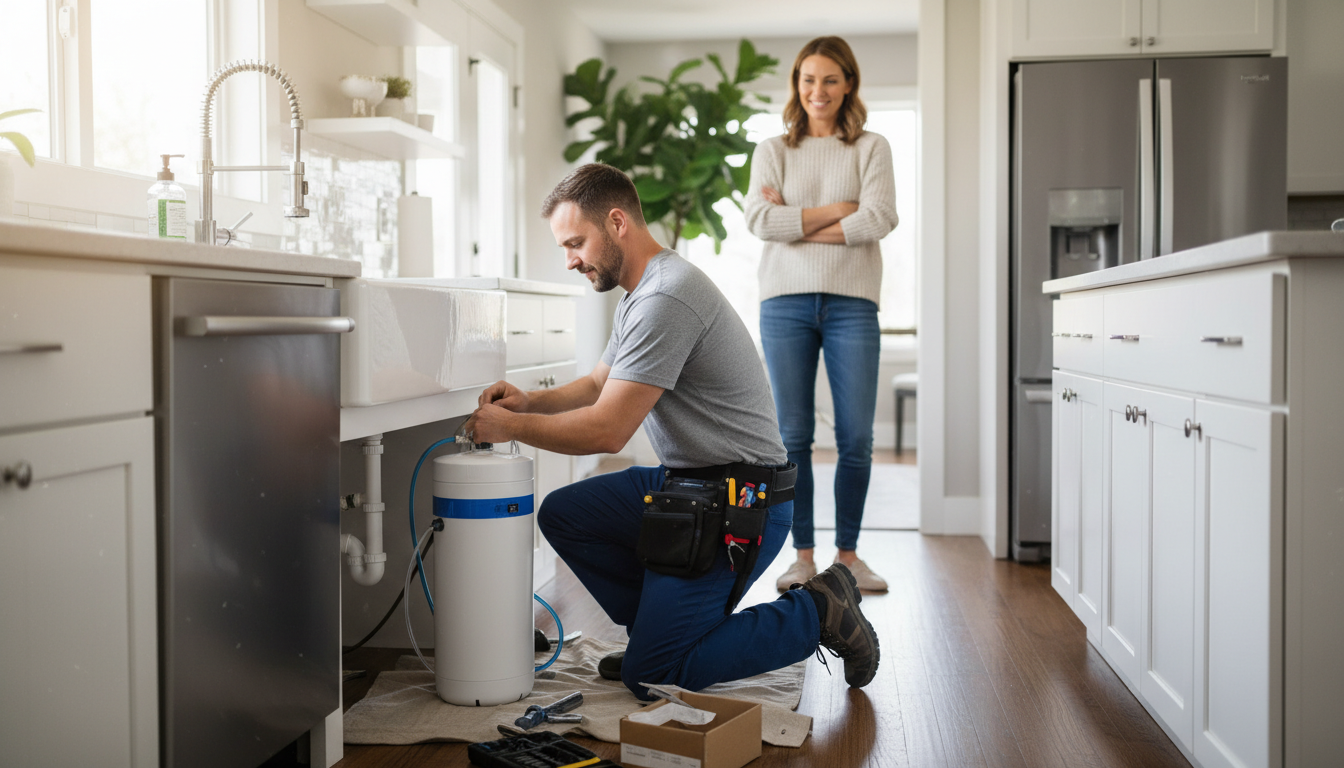
Plumbing water softener leads are among the most valuable calls your business can receive — not just for the installation, but for years of recurring service revenue from salt delivery, filter changes, and annual maintenance. Yet most plumbing companies lose these leads within the first five minutes because they don't answer the phone, call back too late, or fail to follow up consistently. The customer moves on to the next plumber who picks up, and you lose both the $2,500 installation and $600-900 annually in recurring revenue that could have followed.
Why Water Softener Leads Are Different From Emergency Plumbing Calls
Water softener installation leads require immediate response and consultative follow-up because homeowners are comparing multiple quotes and educational resources before deciding. Unlike a burst pipe where the customer needs help right now and will keep calling until someone answers, water treatment leads go cold within hours if you don't respond fast and stay engaged.
According to InsideSales.com, leads contacted within five minutes are 21 times more likely to convert than those contacted after 30 minutes. For water softener installations — which typically involve a $1,500-3,500 upfront sale plus ongoing service contracts — that response window determines whether you win the customer or watch them sign with a competitor who answered faster.
Here's what most articles won't tell you: The real money in water treatment isn't the installation. It's the recurring service revenue that follows. A homeowner with a water softener needs salt delivery every 4-8 weeks, resin bed cleaning annually, and filter replacement on reverse osmosis systems every six months. That's $50-75 per month in predictable revenue from a single customer for as long as they own the home — often 10-15 years. But you only capture that recurring stream if you answer the initial installation inquiry before your competitors do.
Most plumbers treat water softener leads like standard service calls. They're not. These are consultative sales that require multiple touchpoints, educational conversations about water hardness levels and system sizing, and follow-up after the initial estimate. Miss the first call, and you're already eliminated from consideration.
The Real Problem: You're Losing Leads Before You Know They Called
The primary reason plumbing companies lose water softener installation leads is missed calls during business hours and complete silence after hours. When you're under a sink, on a roof clearing a vent, or finishing a water heater replacement, incoming calls go to voicemail. By the time you surface and call back three hours later, the homeowner has already scheduled estimates with two other plumbers who answered immediately.
The Plumbing-Heating-Cooling Contractors Association (PHCC) reports that residential service plumbers miss approximately 30% of inbound calls during peak service hours. For water treatment leads specifically — which often come from homeowners researching during lunch breaks or evenings after work — that miss rate climbs even higher because the calls arrive when you're either slammed with emergencies or closed for the day.
But the problem extends beyond missed calls. Even when you do answer, capturing water softener leads requires structured follow-up that most busy plumbers don't have time to execute consistently. The homeowner needs a water hardness test scheduled, a quote prepared after reviewing their usage patterns and household size, and follow-up calls after the estimate to answer questions and close the sale. Without a dedicated person managing that pipeline, leads slip through the cracks between service calls.
Why "I'll Call Them Back Later" Doesn't Work for Water Treatment Leads
Water softener shoppers are actively comparing options when they call. They're not waiting for you to get back to them — they're calling the next plumber on their list. Every hour you delay increases the chance they've already moved forward with someone else.
Unlike emergency repairs where the customer has to wait for you, water treatment is a planned purchase. The customer controls the timeline, which means speed and responsiveness become the primary differentiators when all plumbers charge roughly the same for installation.
How Front Office Coverage Captures Water Softener Leads While You're on the Job
Capturing water softener installation leads consistently requires live call coverage during business hours and after-hours, immediate response to inquiries, and structured follow-up through the sales cycle. That means having someone dedicated to answering calls, qualifying leads, scheduling water tests and estimates, and following up until the job is booked and completed.
For owner-operators running jobs themselves, hiring full-time office staff often doesn't make financial sense until you're consistently booking 15-20 jobs per week. But you're losing high-value water treatment revenue every week you wait. BookAllLeads provides a complete front office team — six roles working 24/7 to answer calls, qualify water softener leads, schedule estimates, send quotes, and follow up until the job is booked. You're live in five days with no software to learn and no contracts, just a team that captures leads while you focus on installations and service calls.
The coverage model works specifically well for water treatment leads because these inquiries require multiple touchpoints over several days. A dedicated team can schedule the initial water hardness test, call to review results and recommend system sizing, send a detailed quote with financing options, follow up 48 hours later to answer questions, and continue nurturing the lead until they're ready to move forward. Most plumbers abandon leads after one or two attempts because they simply don't have time to persist through a 5-7 day sales cycle while running service calls.
The Hidden Revenue Loss: Recurring Service Contracts You're Not Capturing
When you lose the initial water softener installation lead, you lose years of recurring service revenue that could have followed. The installation is a one-time $2,500 job. The ongoing maintenance contract, salt delivery, and filter replacements generate $600-900 annually for the life of the system — typically 10-15 years before replacement.
That's $6,000-13,500 in recurring revenue from a single customer relationship. Multiply that across the 8-12 water treatment leads the average residential plumber receives monthly, and the annual opportunity cost of poor call handling exceeds $60,000-150,000 in lost recurring revenue alone.
Most plumbers miss this completely. They see water softener installation as a side service to their core plumbing work rather than recognizing it as a gateway to predictable monthly revenue. The plumbers who dominate water treatment markets aren't necessarily better installers — they're better at answering calls immediately and structuring service agreements that keep customers paying monthly long after installation.
Why Salt Delivery and Maintenance Contracts Matter More Than Installation Profit
The gross profit margin on a water softener installation typically runs 30-40% after equipment, labor, and vehicle costs. The margin on salt delivery and annual maintenance visits exceeds 70% because you're delivering a commodity product and performing simple preventive checks that require minimal time and materials.
A customer who buys salt from you every six weeks at $50 per delivery generates $400-450 annually with almost no acquisition cost — they're already your customer from the installation. Add an annual resin bed cleaning at $150-200 and filter replacements at $100-150, and each water treatment customer contributes $650-800 in high-margin recurring revenue every year.
But you can't capture any of that recurring stream if you lose the installation lead because you didn't answer the phone or follow up fast enough. The plumber who wins the installation wins the entire customer lifetime value.
What Fast Response Actually Looks Like for Water Treatment Leads
Fast response to water softener leads means answering the initial call within 90 seconds, scheduling a water hardness test within 48 hours, and following up with a detailed quote within 24 hours of completing the test. Each delay in that sequence reduces conversion rates significantly.
When the call comes in, your front office should immediately qualify the lead by asking about current water issues (soap scum, spotted dishes, dry skin), household size, and whether they've already had their water tested. If they haven't been tested yet, schedule that appointment before ending the call. If they have test results, book an estimate appointment to review system options and pricing.
After the water test or estimate appointment, follow-up should happen the same day with a written quote that includes system specifications, installation scope, warranty details, and financing options if available. Then structured follow-up calls at 48 hours, 5 days, and 7 days to answer questions and move the customer toward a decision.
This level of structured follow-up requires dedicated capacity that most field plumbers don't have. You can calculate your losses from missed water treatment calls to determine whether front office coverage pays for itself through captured recurring revenue alone.
The Follow-Up Sequence That Converts Water Softener Leads
- Day 0: Answer call within 90 seconds, qualify lead, schedule water test or estimate
- Day 1: Complete water test, send detailed quote same day with system recommendations
- Day 3: Follow-up call to answer questions about quote and discuss financing if needed
- Day 6: Second follow-up call if customer hasn't committed, offer to schedule installation with preferred dates
- Day 10: Final follow-up offering limited-time incentive or preferred customer pricing
Most plumbing companies abandon leads after the first or second attempt. The companies capturing the majority of water treatment revenue are simply the ones persisting through the full sequence while competitors give up early.

How to Structure Water Treatment Services for Maximum Recurring Revenue
Structuring water treatment for recurring revenue means selling annual maintenance agreements at the time of installation, offering salt delivery subscriptions, and positioning filter replacements as scheduled preventive service rather than emergency repairs. The goal is converting every installation customer into a managed service relationship that generates monthly or quarterly revenue automatically.
The most effective approach is bundling. At the time of installation, offer three service tiers: Basic (annual maintenance visit only), Standard (annual maintenance plus discounted salt delivery), and Premium (annual maintenance, salt delivery every 6 weeks, and all filter replacements included). Price Premium at $75-85 per month and position it as "we handle everything for you" convenience.
According to Harvard Business Review, increasing customer retention by just 5% can increase profits by 25-95% because retained customers spend more over time and cost less to serve than new customer acquisition. For water treatment services specifically, the customer acquisition cost is the sales effort to win the installation. Every month they remain a service customer afterward is nearly pure profit.
Position the maintenance agreement as protection for their investment. A water softener is a $3,000-5,000 purchase that should last 15-20 years with proper maintenance. Most homeowners will gladly pay $600-900 annually to protect that investment and avoid the hassle of remembering when to order salt or change filters.
What to Include in Your Water Treatment Maintenance Agreements
- Annual resin bed cleaning and inspection to extend system life and maintain efficiency
- Salt delivery on a scheduled basis (every 4-8 weeks depending on usage and household size)
- Filter replacements for reverse osmosis systems (sediment, carbon, and membrane filters on manufacturer schedule)
- Priority service and discounted rates on any repairs needed outside normal maintenance
- Water quality testing annually to verify system performance and adjust settings as needed
The companies generating the highest water treatment revenue aren't necessarily installing more systems. They're capturing a higher percentage of the recurring service revenue from systems already installed by structuring agreements that keep customers paying monthly for years after the initial sale.
Real Example: How One Plumber Went From Losing Water Softener Leads to Booking 80% of Them
A residential plumbing company in Phoenix was receiving 8-12 water treatment inquiries monthly but converting fewer than 30% because the owner couldn't answer calls while running service jobs and had no structured follow-up process. Leads would call, leave voicemails, and book with competitors who answered immediately.
After implementing dedicated front office coverage to handle water treatment leads specifically, the company's conversion rate jumped to 78% within the first quarter. The front office answered calls live, scheduled water hardness tests within 48 hours, sent detailed quotes the same day as testing, and followed up through a structured sequence until customers either booked or declined.
More importantly, 63% of installation customers enrolled in recurring maintenance agreements because the front office presented the options clearly during the quote process rather than leaving it as an afterthought. Within 12 months, the company had 47 active maintenance agreements generating $3,100 monthly in predictable recurring revenue — completely separate from new installation sales.
The owner's key insight: "I was treating water softener calls like emergency service calls — answer when I can, quote fast, move on. But these customers want education and reassurance. They're comparing multiple plumbers and picking whoever makes them feel most confident. Having someone available to answer their questions immediately and follow up consistently changed everything."
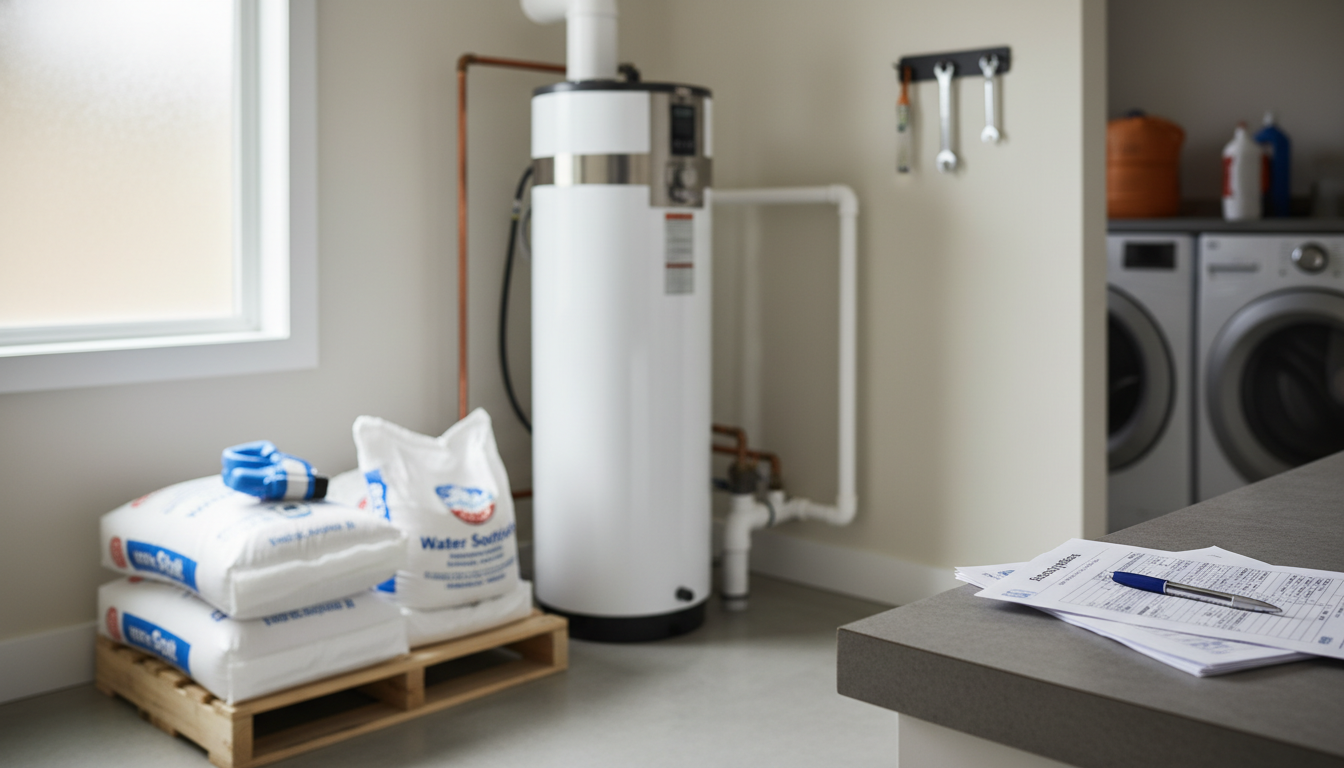
Common Mistakes Plumbers Make With Water Treatment Leads
The most common mistake is treating water softener leads like standard plumbing service calls instead of recognizing them as consultative sales that require multiple touchpoints and educational conversations. A homeowner calling about a leaking faucet needs a quick fix. A homeowner calling about water treatment needs system sizing recommendations, water quality education, and financing options discussed over several days before they're ready to commit.
The second major mistake is failing to offer recurring service agreements at the point of installation. The customer is already buying a $2,500-4,000 system. Adding $75-85 per month for complete maintenance coverage is an easy upsell when positioned as investment protection. But most plumbers skip this conversation entirely and leave thousands in recurring revenue on the table.
Third, plumbers often quote water softener installations too quickly without conducting proper water testing and usage analysis. The customer receives a generic price that doesn't account for their specific water hardness levels, household size, or future expansion plans. This creates price-shopping behavior where the customer simply picks the lowest number instead of understanding value differences between proposals.
Why "We Install Water Softeners Too" Doesn't Win These Leads
Positioning water treatment as a side service rather than a core competency signals to customers that you're not specialized in this area. The plumbers winning the majority of water softener leads position themselves as water quality experts who also handle general plumbing, not the other way around.
This doesn't mean you need to abandon general plumbing. It means your marketing, call handling, and quote presentation for water treatment leads should emphasize your expertise in water quality, your experience with different system types, and your ability to provide ongoing service after installation. Customers pick specialists over generalists when making significant home improvement investments.
Frequently Asked Questions
How quickly do I need to respond to water softener leads to have a chance at winning them?
You need to answer the initial call within five minutes or call back within that window if they left a voicemail. According to InsideSales.com research, leads contacted within five minutes are 21 times more likely to convert than those contacted after 30 minutes. For water treatment leads specifically, most homeowners call 3-5 plumbers and schedule estimates with whoever responds fastest. If you're not in that first response group, you're fighting uphill to get an appointment at all.
What's the average customer lifetime value of a water softener installation customer with recurring service?
The initial installation generates $1,500-3,500 in revenue. The recurring service contracts for salt delivery, annual maintenance, and filter replacements add $600-900 annually for 10-15 years on average. Total customer lifetime value ranges from $7,500-17,000 for a single water treatment customer when you capture both installation and ongoing service revenue.
Should I offer financing for water softener installations?
Yes. Offering financing increases conversion rates by 30-50% because it removes the immediate cash flow barrier for customers. Many homeowners want better water quality but don't have $3,000 available today. Financing at $75-125 per month makes the purchase accessible while still generating the full installation revenue upfront through the financing company. You can even bundle the maintenance agreement into the monthly payment for complete convenience.
How do I get customers to sign up for maintenance agreements after installation?
The highest enrollment rates happen when you present maintenance agreements as part of the installation quote rather than offering them after the fact. Position three service tiers during the estimate conversation and include all three options in your written quote. Frame the Premium tier as "complete care" where you handle everything — salt delivery, filter changes, annual maintenance — so they never have to think about it. Most customers will choose Standard or Premium when options are clearly presented upfront.
What if I'm already too busy with service calls to handle water treatment leads properly?
That's precisely the problem this article addresses. You don't need to handle the calls yourself — you need dedicated front office coverage to answer calls, qualify leads, schedule appointments, send quotes, and follow up consistently. The water treatment revenue opportunity is too valuable to ignore because you're busy, but you also can't clone yourself to answer every call while running service jobs. Front office coverage solves this by handling all customer interactions while you focus on installations and service delivery.
Are water softener leads worth pursuing if I'm primarily a service plumber?
Absolutely. Water treatment leads offer both immediate installation revenue and long-term recurring service income that stabilizes cash flow during slow seasons. The recurring maintenance agreements from water treatment customers can eventually generate $5,000-15,000 monthly in predictable revenue that covers your overhead even when service call volume drops. Many successful plumbers started in emergency service and transitioned partially to water treatment specifically because of the recurring revenue stability it provides.
Turn Water Treatment Inquiries Into Years of Recurring Revenue
Plumbing water softener leads represent one of the highest lifetime value opportunities in residential plumbing, but only if you answer calls immediately and follow up consistently through the sales cycle. Most plumbers lose these leads by treating them like standard service calls instead of recognizing them as consultative sales that require structured follow-up and ongoing customer relationship management.
The companies capturing the majority of water treatment revenue aren't necessarily the best installers. They're the ones who answer every call within minutes, educate customers thoroughly, and structure maintenance agreements that generate recurring monthly revenue for years after installation. Every missed water softener call costs you $7,500-17,000 in potential lifetime value when you factor in the recurring service contracts you'll never have a chance to offer.
If you're ready to stop losing water treatment leads and start capturing the recurring revenue they represent, BookAllLeads provides a complete front office team that answers every call, qualifies leads, schedules estimates, and follows up until jobs are booked — with no software for you to learn and no contracts. You're live in five days with six roles working 24/7 to turn your water softener inquiries into years of predictable service revenue.
John Edmonds is a native Texan and military combat veteran. He founded Book All Leads after identifying a critical gap in the service industry: business owners losing revenue not from lack of skill, but because no one was handling the calls, follow-ups, reviews, and payments while they were busy doing the work.
View LinkedIn Profile →