
A pool company retail store generates thousands of customer interactions every season—walk-ins needing chlorine, filter replacements, test kits, and advice. Yet most pool businesses treat their retail counter like a product vending machine instead of what it actually is: a pipeline of pre-qualified leads standing in front of you, already trusting your expertise. The result? You're selling a $12 bottle of algaecide to a homeowner who desperately needs a $3,200 pump replacement or a $495/month maintenance contract, and they walk out without ever knowing you offer those services. The gap between pool store walk-ins and booked service calls is costing you tens of thousands in revenue every summer.
Why Pool Retail Customers Don't Book Service Calls
Pool store counter sales rarely convert to service bookings because most pool companies physically separate their retail and service operations—different staff, different phone numbers, sometimes different buildings entirely. The counter employee answers product questions brilliantly but never asks about the underlying problem or offers a service solution. The customer describes green water, and you hand them shock treatment instead of diagnosing a failing circulation pump that needs professional attention.
Here's what most articles won't tell you: Your retail customers are specifically choosing not to hire you, even when they need service. They're in your store because they already know your brand, but the transactional nature of counter sales trains them to see you as a supplier, not a service provider. Every "thanks, here's your receipt" without a service conversation is actively conditioning them to call someone else when they need real help.
The disconnect happens because retail staff aren't trained to identify service opportunities, don't have access to the service calendar to book jobs, and often don't get compensated for service referrals. A homeowner mentions their heater hasn't worked in two seasons, and your counter person nods sympathetically while ringing up pool noodles. That's a $2,400 repair walking out the door.
According to Bain & Company, existing customers are 60-70% more likely to convert than cold prospects, yet most pool companies invest more in door-hangers and Facebook ads than in converting the warm leads already standing at their counter. Your walk-in traffic is the highest-intent audience you'll ever reach—they've already chosen you over competitors—but you're treating them like strangers.
What Happens When Counter Staff Can't Book Service Calls
When your retail employees can't directly schedule service appointments, they default to one of three failures: they hand the customer a business card with "call our service department," they write down a name and number that sits in a stack for days, or they simply don't mention service at all. All three outcomes lose the job.
The handoff problem is fatal. A customer who has to make a second call—even to a different number at the same company—converts at less than 15% the rate of someone booked on the spot. They get home, life happens, and that heater repair gets postponed indefinitely. Or worse, they call a competitor who answers faster.
- Paper lead slips never get called back fast enough — Service managers find them three days later, buried under invoices, long after the customer hired someone else
- Split phone systems create dead ends — Retail line goes to the store, service line goes to a tech's cell phone that's underwater fixing a leak, and nobody coordinates
- No compensation structure for service referrals — Counter staff prioritize retail transactions that hit their sales numbers over service bookings that benefit someone else's commission
- Customers interpret the handoff as disinterest — "Call this other number" signals "you're not important enough for me to help right now," even when you don't mean it that way
One pool company owner in Scottsdale tracked this for a month: 47 customers mentioned needing service at the retail counter. His team wrote down 31 names. The service manager called back 18 of them within 48 hours. They booked 4 jobs. That's an 8.5% conversion rate from a warm lead pool. The 29 customers who weren't called back fast enough? Competitor revenue.
How to Turn Pool Supply Store Service Booking Into Revenue
Converting retail traffic into service calls requires giving your counter staff immediate access to your service calendar and a simple process to book jobs while the customer is still standing there. This doesn't mean training retail employees to become service estimators—it means empowering them to schedule the conversation with someone who can close the deal.
Book All Leads gives pool companies a full front office team that handles both retail inquiries and service booking from a single point of contact. When a customer calls or walks in mentioning a problem that needs professional help, your team can check availability, schedule the service call, send confirmation, and add it to your calendar—all while the customer is engaged. No handoff, no second call, no lost revenue. It's live in five days, and your retail staff never learns new software.
The conversion rate difference is dramatic. When a customer hears "I can get someone out to look at that Thursday at 2 p.m., does that work for you?" while they're standing at your counter, booking rates jump to 60-70%. You're solving their problem in real time instead of adding another task to their mental to-do list.
Train Your Counter Team to Identify Service Triggers
Equip retail staff with a short list of phrases that signal service opportunities: "It's not working," "I can't get it clean," "I don't know what's wrong," "It's been broken for a while," "I'm spending too much time on this." Any of these statements means the customer is struggling beyond what a product can fix. The response should always be: "Let me schedule someone to take a look—when are you usually home?"
Create a service trigger checklist at the register: green pool despite treatment, high chemical usage, equipment older than 7 years, frequent part replacements, heater or pump issues, automation complaints. When any of these come up, the next sentence is a booking offer, not a product recommendation.
Make Retail Your Service Lead Funnel
Stop thinking of your pool company retail store as a separate profit center. It's a lead generation channel that happens to pay for itself. Every customer interaction is a chance to diagnose a bigger problem and book a service call that's worth 20-50x the retail transaction.
Track retail-to-service conversion as a key metric. How many counter interactions mentioned a problem? How many resulted in a scheduled service call? What's your show rate and close rate from those appointments? If you're below 40% conversion from identified service opportunities to booked calls, you're leaving enough money on the table to hire another crew.

The Real Cost of Missed Pool Store Counter Sales Opportunities
Calculate the annual revenue loss from unconverted retail traffic by counting service-trigger conversations that didn't result in bookings. If your retail counter has 15 customer interactions daily during a 6-month season where equipment problems come up, and 30% of those conversations include a service need, that's roughly 405 service opportunities. At a 10% conversion rate, you're booking 40 jobs. At a 60% conversion rate, you're booking 243 jobs. The difference—203 jobs at an average ticket of $850—is $172,550 in lost annual revenue.
That's not speculative math. That's what happens when you treat walk-ins as retail transactions instead of service leads. You can calculate your losses based on your own traffic patterns, but the formula is consistent across pool companies: most are converting less than 15% of identifiable service opportunities that walk through their retail door.
According to InsideSales.com, lead response time is the single biggest factor in conversion rates—contact a lead within 5 minutes and you're 21 times more likely to qualify them than if you wait 30 minutes. Your retail customers are standing in front of you with zero response time. There is no warmer lead in your entire marketing funnel, yet most pool businesses prioritize online ads over the conversion opportunity already inside their store.
Why Pool Retail Customer Conversion Fails Even With Good Intentions
Many pool company owners genuinely want their retail staff to drive service bookings. They've mentioned it in team meetings, put up reminder signs in the back office, and asked counter employees to "let people know we do service." Nothing changes because good intentions without operational support always fail.
The problem isn't motivation—it's infrastructure. Your retail employee wants to help, but when a customer asks if you can fix their heater, the honest answer is "I don't know when we're available, I don't know what it costs, and I don't have a way to schedule it right now, so here's a card." That's not a people problem. That's a gap between front-of-house customer contact and back-office service operations.
Even when retail staff have access to a service calendar, most don't use it because it's too complicated, requires login credentials they've forgotten, or lives in software they weren't trained on. Adding tools without reducing friction just creates new failure points. The fix has to be simpler than the problem.
The Service Department Doesn't Trust Retail Bookings
In many pool companies, the service team actively discourages retail staff from scheduling appointments because they've been burned too many times by incomplete information. The counter person books "heater repair" without asking about equipment type, age, symptoms, or access details, and the tech shows up unprepared. After a few of those, the service manager says "just have them call me directly," and the handoff problem returns.
The solution is a qualified handoff, not a blocked one. Retail staff need a simple script that captures the right information—customer name, phone, address, equipment type, problem description, preferred appointment window—and passes it to someone who books it properly. That's exactly what a dedicated front office team does: your retail employee identifies the opportunity, and the booking team handles the rest.
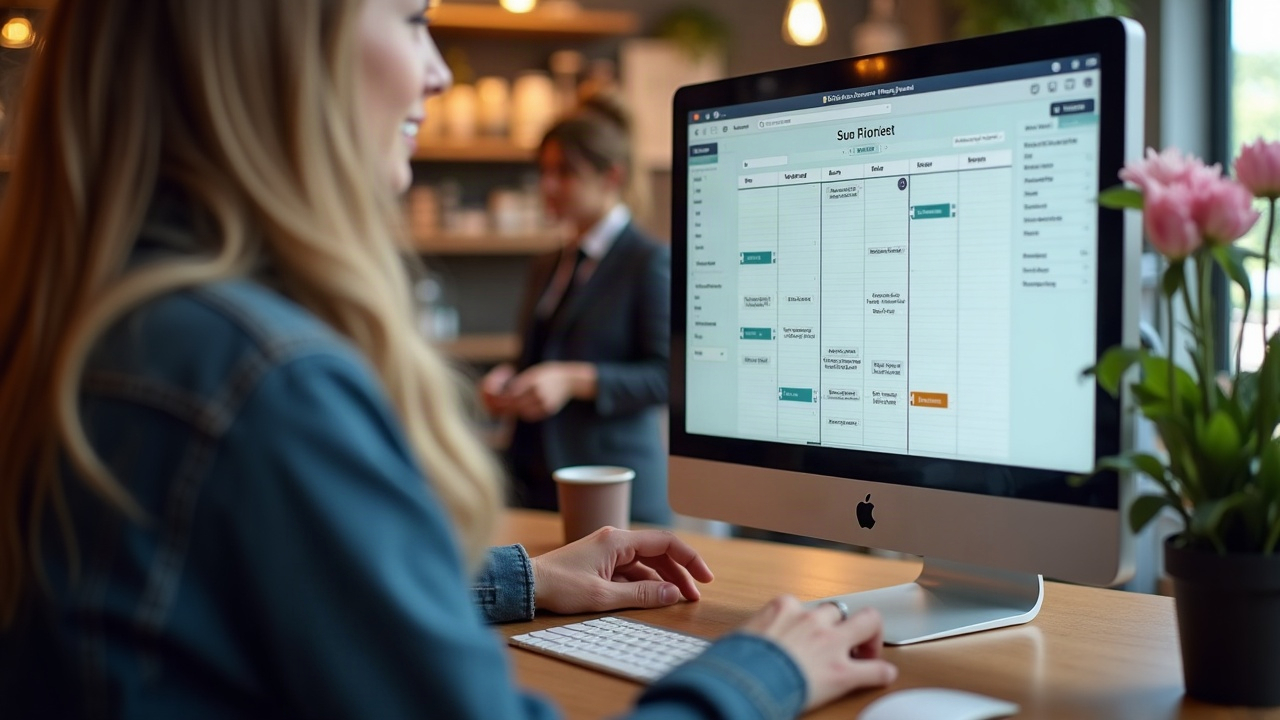
What a Pool Business Looks Like When Retail and Service Actually Connect
A pool service company in Austin renovated their entire customer experience by treating retail as their primary service lead source. Every counter employee was trained on one question: "Is that working the way you want it to?" They stopped assuming customers came in just for products and started assuming every visit was a potential service diagnostic.
Within four months, their retail-to-service conversion rate went from 11% to 58%. They hired a dedicated front office person whose only job was booking service calls generated from retail conversations, phone inquiries, and online leads. That single role produced $340,000 in new service revenue in the first year—almost entirely from customers who were already shopping at their store but had never been asked if they needed help.
The owner's insight was simple: "We were selling shock to people with broken pumps. Once we started asking about the problem instead of just handing them the product, we realized most of our retail customers were struggling and didn't know we could fix it. They thought we were just a supply store."
That's the gap. Your customers categorize you based on what you offer them. If every interaction is transactional—product, price, receipt—they'll never think of you when they need a service provider. You have to explicitly reposition yourself during every retail conversation, and the easiest way to do that is by booking the service call on the spot.
How to Bridge the Gap Between Pool Store Walk-Ins and Booked Jobs
Start by auditing your current retail-to-service conversion process. Mystery shop your own store: walk in, mention a broken heater, and see what happens. Does the employee offer to schedule a service call? Do they capture your information? Do you get a follow-up call? How long does it take? If the answer is anything other than "booked an appointment while I was standing there," you have a conversion problem.
Next, implement a same-conversation booking process. Whether that's a dedicated front office team like the one we provide, a shared calendar accessible to retail staff, or a direct line to a service coordinator, the key is eliminating the handoff. The person who hears about the problem should be able to initiate the booking without requiring the customer to do anything else.
Compensate retail staff for service referrals that convert. If they're only measured on product sales, they'll prioritize product sales. Add a monthly bonus for service bookings that result in completed jobs—even a small amount changes behavior because it signals that service conversion matters.
Track and report retail-sourced service revenue separately. Most pool companies lump all service revenue together and have no idea how much comes from walk-in retail traffic versus online leads, referrals, or repeat clients. Once you measure it, you can improve it. The number is almost always higher than owners expect, which makes the case for investing in better conversion infrastructure.
Frequently Asked Questions
How do I get retail staff to care about booking service calls?
Compensate them for it. If their performance is measured purely on retail sales, they'll prioritize retail transactions. Add service conversion to their scorecard and tie a bonus or commission to bookings that turn into completed jobs. Make it clear that identifying service opportunities is part of their role, not extra work. Most counter staff want to help customers solve problems—they just need permission and incentive to go beyond the transaction.
What if my service team doesn't want retail staff scheduling appointments?
Use a qualified handoff instead of direct booking. Train retail employees to identify service opportunities and capture basic information—problem description, equipment type, customer contact details—then have a dedicated person on your front office team handle the actual scheduling. That way, service gets properly qualified leads without retail staff making commitments the service team can't keep. The key is speed: the handoff has to happen while the customer is still engaged, not three days later.
Should I offer service estimates at the retail counter?
No—book the diagnostic appointment instead. Retail staff shouldn't be quoting prices for repairs they can't see. The correct response to "how much to fix my heater?" is "I can schedule someone to take a look and give you an exact quote—are you available Thursday morning?" Trying to estimate over the counter leads to mismatched expectations and lost jobs. Book the appointment, let the tech diagnose on-site, and close the sale when you have complete information.
How quickly do I need to follow up on retail leads?
Immediately—or you've already lost most of them. If you can't book the appointment while they're standing at your counter, you need to call them within 30 minutes or the conversion rate collapses. Customers who mention a service need during a retail visit are high-intent leads right now, not tomorrow. Waiting even a few hours dramatically reduces your close rate because they'll call the next company on their list, and someone faster will book the job.
What percentage of retail customers should convert to service calls?
It depends on what percentage have service-level problems versus simple product needs. But among retail interactions where the customer mentions an equipment issue, struggle with maintenance, or asks for troubleshooting advice—those should convert at 50-70% to at least a diagnostic appointment if you're booking on the spot. If you're below 30%, you're losing most of your warmest leads. Track it monthly and treat it like the revenue pipeline it is.
Do I need separate staff for retail and service booking?
Not necessarily—but you need someone with access to your service calendar and the authority to book appointments in real time. That can be the same person working the counter, or it can be a back-office team member who takes over once the retail employee identifies the opportunity. The structure matters less than the speed. The worst option is requiring the customer to call a different number or wait for a callback. Handle it while they're engaged, or lose the job.
Stop Losing Service Revenue at Your Own Counter
Your pool company retail store is filled with customers who already trust you, already know your brand, and are actively signaling that they need help. Every walk-in asking about chemicals for a green pool, every call about a filter that won't backwash, every frustrated homeowner buying their third bottle of pH increaser this month—those are service calls waiting to be booked. The only question is whether you'll capture them or send them to a competitor.
The gap between pool store walk-ins and booked service calls isn't a marketing problem or a staffing problem. It's a conversion infrastructure problem. You need someone answering questions, identifying opportunities, and booking jobs while the customer is still engaged—not handing out business cards and hoping they call back.
Book All Leads gives you a full front office team that treats every retail inquiry like the revenue opportunity it is. Live in five days, no software to learn, no contracts. Just a team that picks up every call, books every job, and turns your counter traffic into your most profitable lead source.
John Edmonds is a native Texan and military combat veteran. He founded Book All Leads after identifying a critical gap in the service industry: business owners losing revenue not from lack of skill, but because no one was handling the calls, follow-ups, reviews, and payments while they were busy doing the work.
View LinkedIn Profile →