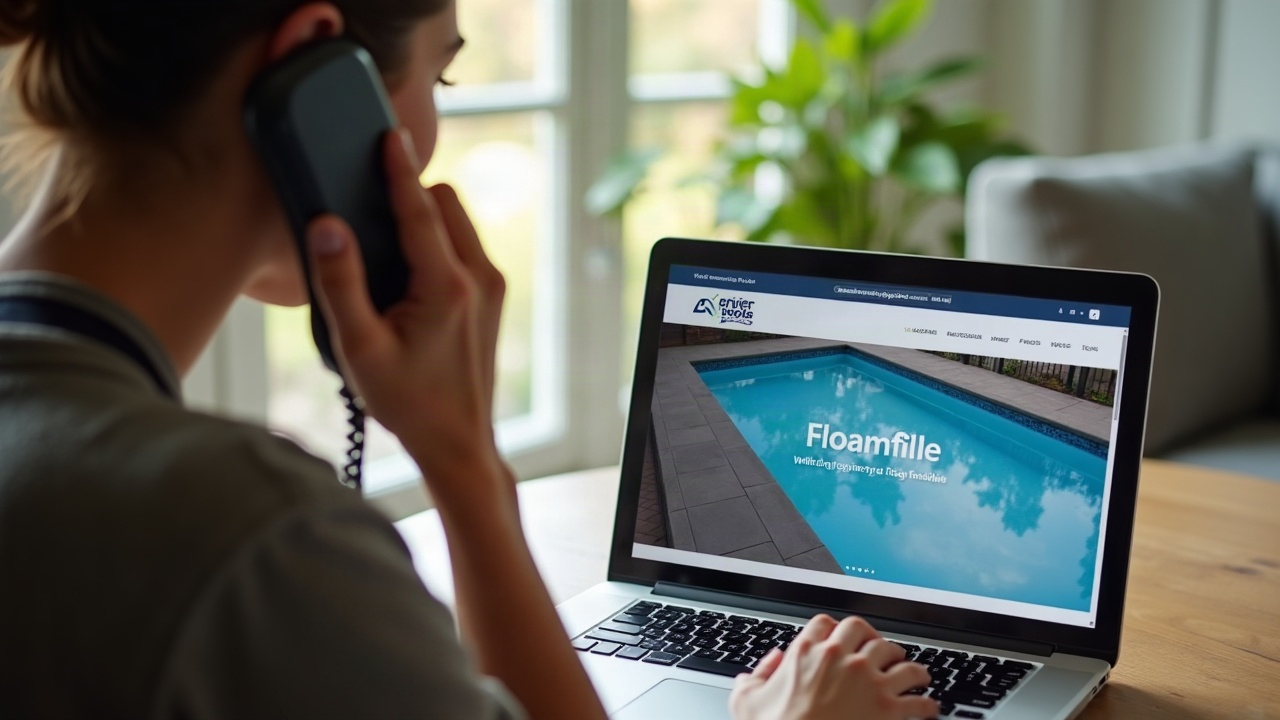
Pool fiberglass install competition has intensified dramatically as national brands like River Pools and franchise operations dominate search results and close deals faster than most local shops can return a call. Local pool companies lose 40-60% of high-ticket fiberglass jobs not because they lack skill or fair pricing, but because they fail the first phone contact—missing calls, sounding disorganized, or taking days to follow up while prospects move on to competitors who answer professionally within minutes.
Why Are Local Pool Companies Losing Fiberglass Installs to National Brands?
Local pool builders lose fiberglass installation jobs because they can't compete on perceived credibility during initial contact. When a homeowner calls, they're comparing you to River Pools' instant email responses, detailed video libraries, and professional phone teams. If your call goes to voicemail or gets answered by someone in a truck who sounds rushed, you've already lost—even if you're $5,000 cheaper and located five miles away.
The pool industry is particularly vulnerable to this problem. Fiberglass pool installations run $45,000–$85,000, making them second-mortgage territory for most families. At that price point, homeowners don't just buy pools—they buy confidence. They need to believe you'll still be in business six months from now when problems arise.
National brands weaponize this anxiety. They've invested millions in appearing established, responsive, and trustworthy. River Pools alone publishes 400+ educational articles and videos. When your competitor is teaching homeowners about pool chemistry before the first call, you can't afford to let their first impression of your company be a voicemail box that's full.
Here's what most articles won't tell you: The moment a prospect decides between you and a national brand isn't during the estimate—it's in the first 90 seconds of phone contact. According to InsideSales.com, leads contacted within 5 minutes are 21 times more likely to convert than those contacted after 30 minutes. For a $60,000 pool installation, every hour of delay costs you thousands in statistical closing probability.
How Do National Pool Brands Create Perceived Credibility?
National brands build trust before the phone ever rings through content marketing, professional phone handling, instant follow-up, and coordinated communication that makes them feel larger and more established than they often are. Local shops interpret this as expensive marketing they can't afford, but the real competitive advantage isn't the content—it's the professional first impression that validates everything the prospect already read online.
River Pools became the dominant educational voice in fiberglass pools not through paid ads, but by answering every question a prospect might have before calling. When someone finally picks up the phone, they're pre-sold on the brand. The company just needs to not screw up the call.
Most local pool companies do screw it up. They miss the call entirely because the owner-operator is on a job site. Or the call gets answered by someone who doesn't know current lead times. Or the prospect leaves a message and waits 18 hours for a callback—by which time they've already scheduled estimates with two other companies.
- Professional phone presence: Every call answered in 3 rings or less by someone who knows pricing ranges and availability
- Immediate follow-up: Automated email confirmations sent within 60 seconds of initial contact
- Educational content: Video libraries and articles that establish authority before the first conversation
- Coordinated communication: No confusion about who's handling what—prospects never hear "let me have someone call you back"
Local pool builders assume they can't compete with this level of polish without hiring full-time office staff. That's where most of them stop trying and resign themselves to competing only on price for the subset of customers willing to tolerate amateur phone handling.
What's Actually Costing Local Pool Companies These Jobs?
The real cost isn't the missed call—it's what happens in the 4-6 hours after a prospect reaches out. A homeowner researching a $60,000 purchase contacts 3-5 companies within the same afternoon. Whoever responds first with competence and availability wins the calendar slot. Once they're in the yard doing the estimate, they're 70% of the way to closing the deal. Everyone else is fighting for scraps.
Consider the typical sequence for a local pool company:
Monday, 2:15 PM: Homeowner calls while the owner is installing a pump. Call goes to voicemail. Owner sees the notification but is elbow-deep in plumbing and figures he'll call back at the end of the day.
Monday, 6:45 PM: Owner finally calls back. Reaches the prospect's voicemail because they're making dinner. Leaves a message.
Tuesday, 10:30 AM: Prospect returns the call. Owner is on another job site. Voicemail again.
Tuesday, 3:00 PM: They finally connect. Owner offers to come by Thursday afternoon for an estimate. Prospect says, "Actually, I already have three companies scheduled for tomorrow. Can you come tomorrow?" Owner can't—he's booked. Prospect says, "OK, I'll see how these go and call you if I need another quote."
He never calls back. One of Wednesday's three estimates closed him that same evening with financing options and a start date three weeks out.
This isn't a hypothetical. It's the default experience for most owner-operator pool companies. You can calculate your losses based on missed call volume, but the real damage is invisible—it's the jobs you never knew you lost because you didn't answer fast enough to even get into the consideration set.

Why Phone Tag Kills Fiberglass Pool Sales Specifically
Fiberglass pool installations live in a uniquely vulnerable price range where buyers are sophisticated enough to research extensively but anxious enough to need constant reassurance. Unlike vinyl liner pools that many homeowners view as DIY-adjacent, fiberglass installations require specialized equipment and expertise. Prospects know they're choosing a long-term partner, not just hiring labor for a week. Phone tag signals disorganization, which kills trust faster than a bad online review.
The purchase psychology is different from other home improvement projects. A $15,000 HVAC replacement is distressing, but it's reactive—the old system died, and you need heat. A $60,000 pool is discretionary and aspirational. Homeowners torture themselves with "are we really doing this?" doubts throughout the buying process.
Every unreturned call feeds that doubt. Every "let me check with my partner and call you back" that never comes reinforces the fear that they're about to give $60,000 to someone who might disappear mid-project. National brands understand this and structure every interaction to feel effortless and inevitable.
According to Bain & Company, customers who have the best past experiences spend 140% more compared to those who had poor experiences. In pool installations, that "experience" starts the moment they reach out—not when you show up for the estimate.
How Does Poor Phone Professionalism Compound Over Time?
Each dropped ball compounds the credibility gap. Miss the first call, and you're starting from behind. Take 24 hours to return it, and you're now competing against two companies who already scheduled estimates. Show up to the estimate without knowing what the prospect asked about on the phone because you didn't take notes, and you've confirmed their worst fears about working with a small operation.
Pool company branding isn't about logos and truck wraps—it's about whether you seem like someone who'll still be answering the phone in July when their pool heater stops working. National franchises win this perception battle by default because their phone presence is consistently professional.
How Can Local Pool Shops Win Back These High-Ticket Jobs?
Local pool companies can compete by solving the credibility gap at first contact—ensuring every call is answered professionally within three rings by someone who can book estimates, quote lead times, and send immediate follow-up without putting prospects on hold or into voicemail. This doesn't require matching River Pools' content library; it requires matching their responsiveness and phone professionalism, which most national brands don't actually do better than a well-run front office.
The solution isn't to become a content marketing machine. Most local pool shops don't have time to film 400 videos, and honestly, the ROI on that time investment is questionable for a business doing 20-30 installs per year.
The solution is to match national brands where it actually matters to conversion: the first phone contact and the professionalism of your follow-up.
Here's the strategic reframe: Book All Leads operates as your entire front office team—six dedicated roles handling every inbound call, booking estimates, sending follow-ups, and managing your calendar 24/7. There's no software for you to learn, no complicated setup, and you're live in five days with no contracts. It's the credibility and responsiveness of a national operation without hiring full-time staff or losing control of your customer relationships.
For pool companies specifically, this eliminates the phone tag problem entirely. When a prospect calls at 2 PM on Monday about a fiberglass installation, they reach a real person immediately—not voicemail. That person has your current pricing guidance, knows your availability for estimates, and books them on the spot. The prospect receives an email confirmation within 60 seconds. You get a text with the appointment details and the lead information captured during the call.
You show up Wednesday morning as the first estimate, not the fourth. You're already ahead.
What Does Pool Installation Credibility Actually Require?
Credibility in fiberglass pool sales requires demonstrating three things within the first five minutes of contact: you're established enough to be around for warranty issues, organized enough to manage a complex project, and available enough to prioritize their job. National brands simulate these traits through polish and process. Local companies can deliver them authentically by ensuring their front office—the first touchpoint prospects experience—reflects the professionalism of their actual work.
Most owner-operators are excellent at the technical work and terrible at the administrative follow-through. They return calls eventually. They send estimates when they get around to it. They mean to follow up with prospects who said "let me think about it," but three days pass and momentum dies.
National brands don't win because they're better at digging holes or setting fiberglass shells. They win because their operational follow-through is flawless, which makes them feel safe to buy from.
What's the Real-World Result When Local Shops Fix This Problem?
Pool companies that professionalize their phone handling typically see 40-60% more booked estimates within the first month and close 25-35% more jobs at higher average prices because they're no longer competing primarily against discount shoppers willing to wait for callbacks. When you control the first impression, you attract better customers who value responsiveness and professionalism—the same customers national brands target with premium pricing.
Take Jason, who runs a pool installation company outside Charlotte. He was losing bids to River Pools dealers despite being local and offering comparable quality. The problem wasn't his work—it was that homeowners calling at 1 PM on Tuesday wouldn't hear back until Wednesday afternoon, by which time they'd already scheduled estimates with two competitors.
He tried hiring a part-time office person, but she worked mornings only, and most calls came in afternoon and evening when people got home from work. He tried a basic answering service, but they couldn't book estimates because they didn't know his calendar or pricing structure.
After implementing a dedicated front office team, every call got answered professionally. Prospects calling at 7 PM reached someone who could book estimates and answer basic questions about fiberglass versus concrete. Follow-up emails went out instantly. Jason started getting to job sites first, which meant he controlled the conversation instead of defending his pricing against two previous quotes.
His close rate on fiberglass installs jumped from 23% to 41% within 90 days—not because he changed his pricing or sales approach, but because he was talking to better-qualified prospects who perceived his company as established and professional from the first interaction.
The financial impact is substantial. According to the National Association of Home Builders, residential specialty contractors who improve customer communication see an average revenue increase of 15-25% within the first year. For a pool company doing $1.2 million annually, that's $180,000-$300,000 in additional revenue from the same marketing spend—just by converting more of the leads already calling.
What Should Pool Companies Do Differently Tomorrow?
Start by auditing your current phone handling honestly. Call your own number at 2 PM on a Tuesday and see what happens. Have a friend call at 6 PM and try to book an estimate. If the experience isn't flawless—answered quickly, handled professionally, followed up immediately—you're losing jobs to competitors who've solved this problem. Fix phone professionalism before spending another dollar on marketing, because driving more leads into a broken intake process just wastes money and frustrates potential customers.
Most pool companies resist this advice because they think they're "too busy" to focus on phone handling. That's backwards. You're too busy because you're chasing twice as many leads as necessary to hit revenue targets. If you closed 40% of inquiries instead of 20%, you'd need half the marketing spend and waste less time on estimates that go nowhere.
The tactical fixes:
- Answer every call within three rings—no exceptions, no excuses. If you can't do this yourself, you need a team handling it for you.
- Book estimates during the first call—not "let me check my calendar and call you back." Have calendar access in real-time or someone managing it who does.
- Send follow-up immediately—the prospect should receive an email confirmation before they hang up the phone.
- Track response time religiously—measure minutes from inquiry to first contact, not hours. Compete on speed.
- Stop playing phone tag—if you miss a call, return it within 15 minutes or have someone else handle it. Every hour of delay cuts your conversion rate.
This isn't about becoming something you're not. It's about removing the friction between your expertise and the customer's ability to hire you. You already know how to install pools. You just need to make it easy for people to say yes.
Frequently Asked Questions
Why do homeowners choose national pool brands over local installers?
Homeowners choose national brands primarily because of perceived credibility and professional responsiveness during initial contact. When comparing a $60,000 purchase, prospects interpret quick callback times, professional phone handling, and immediate follow-up as signals of operational competence. Local installers often have superior craftsmanship and pricing but lose the sale before getting to demonstrate either because they failed the first impression test. National brands invest heavily in phone teams and follow-up processes specifically because they know the sale is won or lost in the first five minutes of contact.
How quickly should a pool company return calls to compete with national brands?
Pool companies should return calls within 5 minutes to maximize conversion rates. Research from InsideSales.com shows leads contacted within 5 minutes convert 21 times better than those contacted after 30 minutes. For high-ticket fiberglass installations, prospects typically contact 3-5 companies in the same afternoon. Whoever responds first with professionalism and availability gets the estimate appointment. Companies that take hours or days to return calls are effectively disqualifying themselves from consideration before discussing price or quality.
What's the biggest mistake local pool companies make when competing for fiberglass installs?
The biggest mistake is treating phone handling as an afterthought while obsessing over estimate pricing and presentation. Most local pool builders lose jobs before they ever reach the estimate stage because prospects can't get through on the phone, wait too long for callbacks, or experience disorganized communication that undermines confidence. National brands understand that professional front-office operations are the actual competitive advantage—the estimate itself is just confirming a decision the prospect already made based on responsiveness and credibility established during first contact.
Can a small pool company really compete with River Pools and national franchises?
Yes, small pool companies can compete effectively by matching national brands on responsiveness and phone professionalism while leveraging local advantages like faster start times and personalized service. National brands aren't actually better at installations—they're better at operational processes that create perceived credibility. Local companies that professionalize their phone handling and follow-up eliminate the credibility gap, then win on relationship, flexibility, and often price. The key is ensuring your first impression matches the quality of your work, which most owner-operators fail to do when they're answering calls from job sites.
Should pool companies invest in content marketing like River Pools did?
Most local pool companies shouldn't attempt to replicate River Pools' content marketing strategy because the ROI on creating hundreds of articles and videos makes sense only at significant scale. A company doing 50+ installations annually might benefit from educational content; a company doing 15-20 installs should focus resources on converting more of their existing inquiries through better phone handling and follow-up. The content establishes authority, but professional responsiveness closes deals. Fix operational conversion before investing in top-of-funnel awareness.
What's the ROI of improving phone handling for a pool installation company?
Pool companies that improve phone handling typically see 40-60% more booked estimates and 25-35% higher close rates within 90 days, translating to 15-25% revenue increases without additional marketing spend. For a company generating $1.2 million annually, professional front-office operations can add $180,000-$300,000 in revenue by converting more existing inquiries. The investment in professional phone coverage pays for itself if it books just one additional fiberglass installation per month, since average job values run $45,000-$85,000.
Stop Losing High-Ticket Installs to National Brands
Pool fiberglass install competition isn't won by whoever has the lowest price or the best website—it's won by whoever answers the phone professionally and books the estimate first. National brands have spent millions learning this lesson. Local pool companies can win those jobs back without matching their marketing budgets, but not without matching their operational responsiveness.
Your craftsmanship deserves a front office that reflects it. When prospects call, they should experience the same professionalism and attention to detail you bring to every installation. That's not a nice-to-have—it's the price of entry for competing at the high end of fiberglass pool sales.
If you're tired of losing jobs to companies that aren't better than you—just more organized—it's time to professionalize your phone handling. Book All Leads gives you a full front office team handling every call, booking every estimate, and following up with every prospect so you can focus on the work you're actually good at. No software to learn, live in five days, and no contracts locking you into something that doesn't work.
Stop competing on price because you can't compete on professionalism. Fix the front office, win better customers, and take back market share from national brands who've been eating your lunch.
John Edmonds is a native Texan and military combat veteran. He founded Book All Leads after identifying a critical gap in the service industry: business owners losing revenue not from lack of skill, but because no one was handling the calls, follow-ups, reviews, and payments while they were busy doing the work.
View LinkedIn Profile →