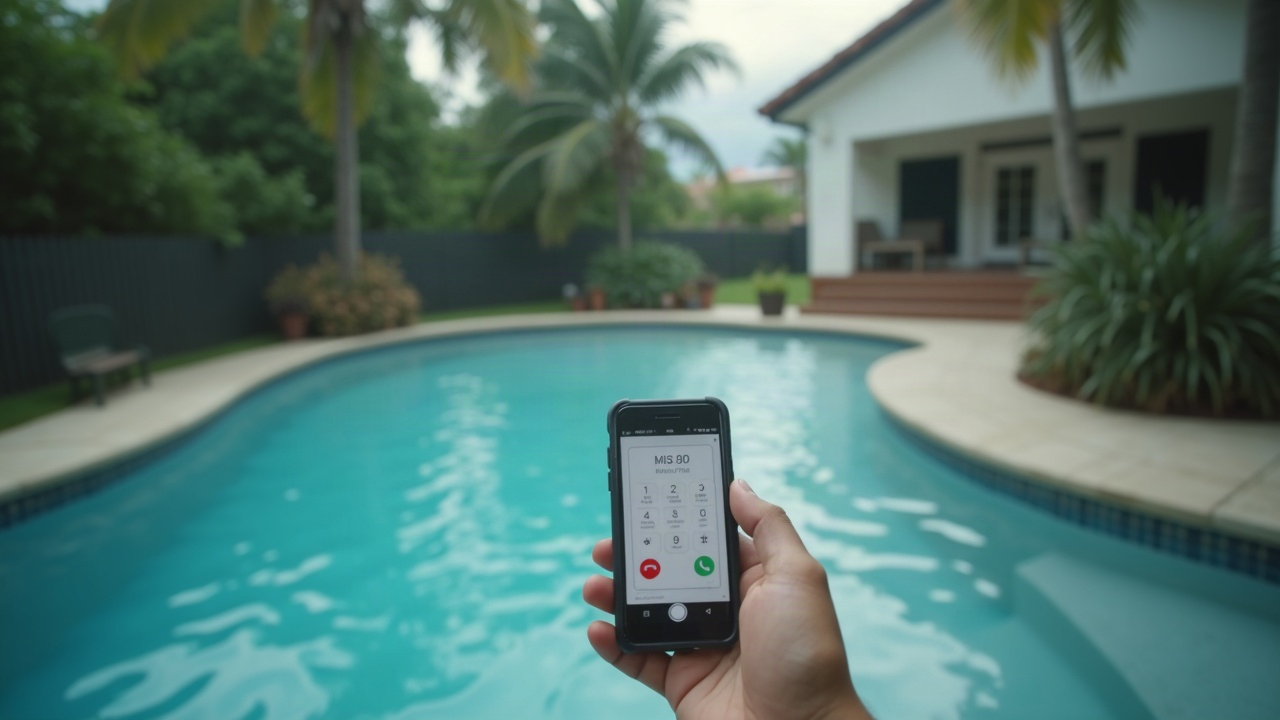
Pool companies lose the majority of inbound calls during hurricane season because demand spikes 300-500% in a 48-72 hour window while staff capacity stays flat. Homeowners panic when storms approach, flooding phone lines with pool storm preparation calls and post-storm damage requests. Most small pool service companies can't answer the surge, losing emergency hurricane calls to competitors who pick up first — or worse, to national chains with call centers.
Why Do Pool Companies Miss So Many Hurricane Season Calls?
Pool companies miss hurricane season calls because call volume surges 400-600% in the three days before landfall and again immediately after, while their two-person office remains overwhelmed in the field. Your technicians are out securing pools, installing safety covers, and lowering water levels for existing clients. Your office staff — if you have dedicated office staff — is trying to triage, but the phone rings faster than anyone can pick up.
The window is brutally short. Homeowners know they have 48-72 hours before the storm hits. They're calling every pool company in their contacts and going with whoever answers first. According to InsideSales.com, businesses that respond to leads within five minutes are 100 times more likely to convert than those who wait 30 minutes. During hurricane prep season, that window shrinks to under two minutes.
Here's what most articles won't tell you: The revenue you lose isn't just the emergency prep calls you miss. It's the post-storm repair contracts, the weekly maintenance accounts those panicked homeowners would have signed up for once the crisis passed, and the referrals from neighbors who saw your truck in their driveway. A single missed hurricane call represents $2,000-$8,000 in immediate revenue and potentially $15,000+ in annual contract value.
The Pre-Storm Panic Window
From the moment the National Hurricane Center upgrades a system to a named storm, your phone starts ringing. Homeowners want:
- Emergency pool cover installation or sandbag placement
- Water level adjustments to prevent overflow and structural damage
- Chemical balancing to avoid algae blooms during extended power outages
- Equipment shutdown and protection (pumps, heaters, automation panels)
- Debris removal from existing damage they've been ignoring
- Advice on whether to drain (they shouldn't) or what to do with patio furniture
You're getting 60-80 calls per day when your normal volume is 12-15. Your techs are booked solid. You're trying to route trucks efficiently while also answering the same questions over and over. Every call that goes to voicemail is a customer booking with someone else.
The Post-Storm Flood
After the storm passes, the calls shift. Now homeowners are staring at green swamp water, cracked coping, fallen trees in the shallow end, and pumps that won't restart. They need help today. The phones ring even harder than pre-storm because now the damage is real and visible.
This is your highest-margin work of the year. Storm debris removal, equipment replacement, replastering, and full system diagnostics bill at premium emergency rates. But only if you answer the phone.
What's Actually Costing You Revenue During Hurricane Season?
The real cost isn't just missed calls — it's the compounding loss of speed, trust, and positioning. When a homeowner calls four pool companies and you're the only one who doesn't pick up, they don't leave a voicemail and wait. They book with whoever answered. You've lost the job before you even knew it existed.
Let's put numbers to it. A typical Florida or Gulf Coast pool service company handles 350-400 inbound calls during a major hurricane event (three days before, three days after). If your answer rate during normal operations is 70%, it drops to 25-35% during hurricane windows. You're missing 250+ calls in a single week.
Conservative conversion math: 250 missed calls × 40% booking intent × $350 average emergency service call = $35,000 in lost revenue from a single storm event. That doesn't include the maintenance contracts, the referrals, or the equipment replacements that convert later. Use our calculator to model your actual volume and see what you're leaving on the table.
But here's the deeper problem: you're training your market that you're not available when they need you most. The homeowner who couldn't reach you at 9 PM on Thursday night before the Friday landfall doesn't just book someone else for that one job. They remember that you weren't there. They switch providers. And they tell their neighbors.
How Do Successful Pool Companies Handle the Hurricane Call Surge?
The pool companies that win during hurricane season treat phone coverage as a revenue center, not an operational afterthought. They staff for the spike, not the average. That means having a team in place that can handle 60-80 calls per day for a week straight without pulling technicians off jobs or letting calls roll to voicemail.
Most small to mid-sized pool companies solve this one of three ways: they hire temporary staff (expensive, untrained, inconsistent), they ignore it and accept the loss (devastating but common), or they partner with a managed front office team that already knows the pool business and can scale coverage instantly.
Book All Leads operates as your full front office team — six roles working around the clock to answer every call, book jobs into your calendar, collect payments, and follow up with quotes. We're live in five days, require no software for you to learn, and scale up automatically when call volume spikes. For pool companies in hurricane-prone regions, that means 24/7 coverage during storm season without hiring, training, or managing additional staff.
The difference is simple: when a homeowner calls at 11 PM because they just realized the storm is 36 hours out and their pool isn't ready, someone answers. We book the job. We collect the deposit. We send the confirmed appointment to your techs. You show up and do the work.
What Should Your Front Office Be Doing During Hurricane Season?
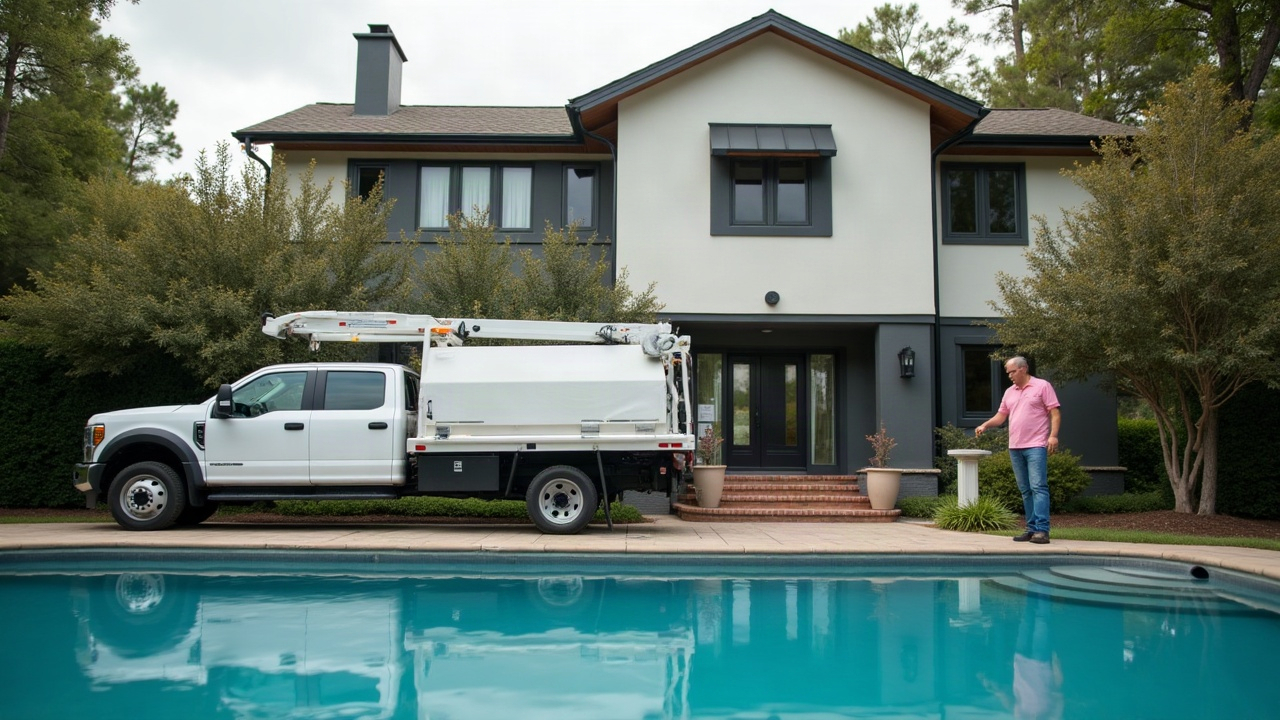
Your front office during hurricane season isn't just answering phones. They're triaging emergencies, managing expectations, routing jobs geographically to maximize your crew efficiency, and capturing every possible dollar of revenue while your competitors drown in voicemail.
Pre-Storm Call Handling
Before the storm, your team needs to:
Qualify urgency and location. Not every panicked call is an emergency. Some homeowners are three days out and want a quote. Others are 18 hours out with an uncovered pool and need help now. Your front office should be categorizing calls in real time, routing true emergencies to your fastest-response crew and booking lower-urgency jobs into the narrow windows you have left.
Set clear expectations. During a major storm event, you can't serve everyone. Your front office should be honest: "We're fully booked for tomorrow, but we have a 7 AM slot on Thursday if you'd like to secure it now. We'll also put you on our cancellation list in case something opens sooner." That keeps the caller engaged instead of hanging up to try the next company.
Collect payment upfront. Emergency pool prep is premium work. Deposits should be standard. A competent front office collects payment details while booking the job, so your techs show up to work, not to negotiate price.
Post-Storm Call Handling
After the storm, the calls shift from prevention to repair. Your front office needs to:
Document damage accurately. Homeowners will describe their pool as "destroyed" when they mean "the water is green." Your team should ask the right questions (Is the equipment running? Do you see cracks? Is there debris in the water? What color is the water?) so you can triage and quote appropriately.
Book follow-up appointments. Post-storm damage often requires multiple visits. Your front office should be booking the initial assessment, then scheduling the follow-up repair once you've provided a quote. Customers who get a "we'll call you back" promise from a competitor but a confirmed Tuesday 10 AM slot from you will choose you every time.
Follow up on quotes within 24 hours. Storm damage quotes expire fast. If you send a $4,500 replaster estimate on Friday and don't follow up until Tuesday, the homeowner has already booked someone else. Your front office should have a same-day or next-day follow-up cadence for every quote sent during hurricane season.
Why Most Pool Companies Don't Staff for Hurricane Season
Pool company owners know hurricane season drives revenue. They know they're missing calls. So why don't they staff up?
Because hiring temporary office staff for a one-week spike four times per year makes no financial sense. You'd spend weeks recruiting, days training someone on your booking practices and service areas, and then pay them to sit idle for the 48 weeks when call volume is normal. Seasonal staffing works for retail during Christmas. It doesn't work for service businesses during unpredictable weather events.
According to the Bureau of Labor Statistics, the median hourly wage for customer service representatives in the services sector is $18.45. To cover phones 24/7 during a six-day hurricane event, you'd need at least three full-time-equivalent staff working rotating shifts — that's $2,600+ in labor costs for a single storm, plus recruiting, onboarding, and the risk that they quit after week one.
Most pool companies try to solve it by having their field techs answer calls between jobs, asking family members to help during peak hours, or just accepting that they'll miss 60-70% of inbound demand during storms. All three options cost more in lost revenue than they save in labor.
The alternative isn't hiring. It's recognizing that phone coverage is specialized work that requires training, scripting, system access, and the ability to scale on demand. For most pool service companies, that means outsourcing to a team that already does this full-time.
What Are Pool Companies Doing Differently This Hurricane Season?
The pool companies that dominate their markets during hurricane season made one strategic shift: they stopped treating call answering as an administrative task and started treating it as their primary revenue driver.
Here's what that looks like in practice:
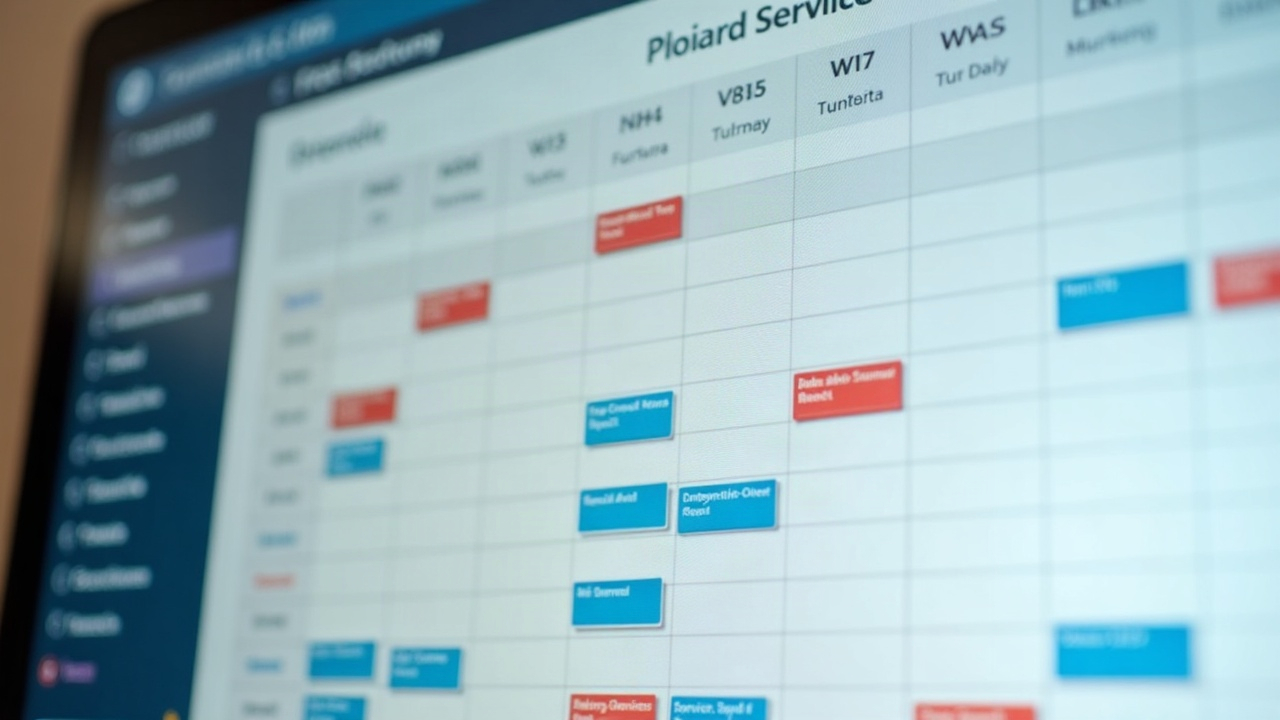
They extended coverage hours. Homeowners don't panic on a schedule. Calls come in at 6 AM, at lunch, and at 10 PM when people get home from work and check the weather. Companies that only answer calls from 9-5 are missing half their potential bookings. The most successful pool companies we work with run 6 AM to 10 PM minimum during storm weeks, with overflow coverage overnight for true emergencies.
They scripted their intake process. When call volume triples, you can't afford inconsistency. Every caller should hear the same questions, the same pricing structure, and the same urgency-based triage. A tight script ensures that whoever answers the phone — whether it's your office manager or a contract team — delivers the same experience and captures the same information.
They tracked the data. How many calls came in? How many were answered? What was the conversion rate on emergency prep versus post-storm repair? Which service area generated the most revenue? Companies that track this can forecast staffing needs, adjust pricing for future storms, and prove ROI on their call coverage investment.
They followed up relentlessly. A missed call isn't a lost sale if you call back within 10 minutes. The companies that win are calling back every voicemail, every web form, and every text inquiry within minutes, not hours. According to research from Harvard Business Review, firms that contact potential customers within an hour of receiving a query are nearly seven times more likely to qualify the lead than those that wait even 60 minutes.
How Much Revenue Are You Actually Losing to Missed Calls?
Let's model a realistic scenario. You run a pool service company in Tampa. Hurricane season runs June through November. In a typical season, you'll face 2-3 named storms that generate elevated call volume, and maybe one major storm that creates a true surge.
Normal weekly call volume: 85 calls. Hurricane week call volume: 320 calls. Your current answer rate during normal weeks: 68%. Your answer rate during hurricane weeks: 32% (because your two office staff are overwhelmed and your techs are in the field).
Here's the math:
Normal week: 85 calls × 68% answer rate = 58 answered calls × 45% conversion = 26 jobs booked × $280 average ticket = $7,280 revenue.
Hurricane week: 320 calls × 32% answer rate = 102 answered calls × 55% conversion (urgency drives higher close rates) = 56 jobs booked × $420 average ticket (emergency pricing) = $23,520 revenue.
If you answered 80% of hurricane week calls: 320 calls × 80% answer rate = 256 answered calls × 55% conversion = 141 jobs booked × $420 average ticket = $59,220 revenue.
The difference between your current performance and optimized performance in a single hurricane week: $35,700. Multiply that by three storm events per season and you're looking at $107,000+ in annual revenue you're leaving on the table just because you can't answer the phone.
That's not even accounting for the long-term value. A homeowner who hires you for emergency storm prep and is impressed with your responsiveness becomes a weekly maintenance client worth $150/month × 12 months = $1,800/year. If you convert just 20 of those 85 additional jobs into maintenance contracts, that's $36,000 in recurring annual revenue from a single storm.
Frequently Asked Questions
How quickly do I need to return hurricane prep calls to win the job?
You need to return calls within 5-10 minutes maximum during active hurricane season. Homeowners are calling multiple companies simultaneously and booking with whoever responds first. If you wait 30 minutes to call back, the job is already gone. During the 48-hour window before landfall, speed matters more than price.
Should I raise prices for emergency pool prep during hurricane season?
Yes. Emergency storm prep is premium work performed under tight deadlines with elevated risk. Most pool companies charge 1.5x to 2x their normal service rates for hurricane-related calls, and customers expect it. The key is transparency — quote the price upfront and explain why (limited availability, after-hours work, expedited scheduling). Customers will pay for certainty when a storm is 36 hours out.
What's the biggest mistake pool companies make during hurricane season?
Prioritizing existing clients to the exclusion of new emergency calls. It feels right to "take care of your people first," but it leaves massive revenue on the table and trains your market that you're not available during crises. The better approach: triage all calls by urgency and location, serve as many people as possible, and use your front office to set clear expectations about timing. You'll generate more revenue and build a reputation as the company that shows up when it matters.
Can I handle hurricane call volume with voicemail and callbacks?
No. Voicemail is a dead end during hurricane season. Homeowners don't leave messages and wait — they call the next company on their list. If you're relying on voicemail and callbacks, you're missing 70-80% of potential bookings. The only way to capture hurricane revenue is to answer live, every time, or have a team that does it for you.
Do pool companies really need 24/7 phone coverage during storms?
Not true 24/7, but extended hours (6 AM - 10 PM minimum) are essential. Homeowners check weather updates in the evening and make panicked calls after work hours. If your phones shut off at 5 PM, you're missing the 6-10 PM window when most residential customers are free to make calls. Overnight coverage (10 PM - 6 AM) is valuable for major storms but not critical for every event.
How do I prevent my phone team from getting overwhelmed during a storm surge?
You need a scalable team with documented scripts, clear triage protocols, and the ability to add coverage instantly when volume spikes. That's nearly impossible to build in-house for seasonal surges. The most successful pool companies use a managed front office service that's already staffed for volume and can scale same-day when a storm enters the Gulf.
Stop Losing Revenue to Missed Calls This Hurricane Season
Hurricane season is the highest-revenue period of the year for pool service companies in coastal markets. It's also the period when most small pool companies lose 50-70% of their inbound call volume to competitors who simply pick up the phone faster.
You can't control the weather. You can't control when storms hit. But you can control whether your business is reachable when homeowners are panicking and ready to book.
If you're tired of watching revenue walk out the door every time a named storm enters the Gulf, it's time to treat phone coverage like the profit center it is. Book All Leads gives you a full front office team that answers every call, books every job, and scales automatically when call volume spikes — no hiring, no training, no contracts. We're live in five days and working for you 24/7 from day one.
Your techs should be in the field doing the work. Your phones should never go unanswered. Let's fix that before the next storm hits.
John Edmonds is a native Texan and military combat veteran. He founded Book All Leads after identifying a critical gap in the service industry: business owners losing revenue not from lack of skill, but because no one was handling the calls, follow-ups, reviews, and payments while they were busy doing the work.
View LinkedIn Profile →