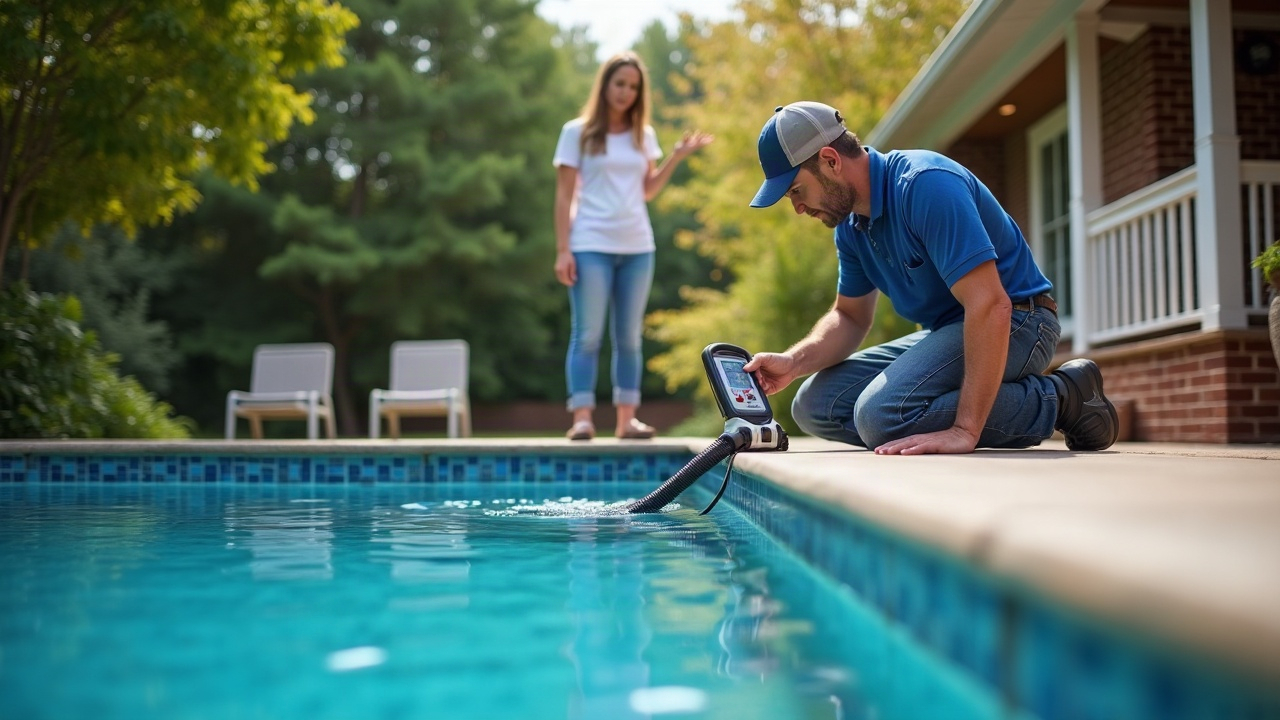
Pool leak detection upsells fail because most pool companies treat them as technical service calls instead of sales opportunities. Your technicians find the leak, patch it, and leave — while missing equipment replacement revenue worth 3-5x the service call. The real problem isn't your crew's technical skills. It's that no one on your team is trained to spot buying signals, diagnose underlying equipment failure, or schedule a follow-up equipment consultation before the truck leaves the driveway.
You're running leak detection calls all season. Every single one reveals something about that pool's condition — aging equipment, failing seals, outdated pumps running inefficiently. But if your technician isn't trained to connect those dots and your front office isn't equipped to book the follow-up, you're leaving thousands on the table.
Here's the painful reality: Your competitor who's half as good at leak detection but twice as good at identifying upsell opportunities is outearning you. Not because they're better technicians. Because they've turned service calls into a revenue engine.
Why Pool Leak Detection Calls Never Turn Into Equipment Sales
Pool leak detection upsells fail because your team treats every call like a checkbox: find the leak, fix it, invoice, move on. The average pool service company converts fewer than 8% of leak detection calls into equipment sales, even though leak patterns directly indicate equipment failure in 40-60% of cases. You're diagnosing problems you never monetize.
The disconnect happens in three places. First, your technician identifies the immediate problem but doesn't connect it to the larger equipment issue. A leak at the pump seal isn't just a seal problem — it's a signal that the pump is nearing end-of-life. Second, even if your tech mentions it, there's no process to capture that information and turn it into a scheduled follow-up. The homeowner nods, says "I'll think about it," and you never hear about it again until their pump dies mid-season and they call whoever answers fastest.
Third — and this is the killer — your front office has no idea what just happened on that call. They booked a leak detection, the invoice came through, and that's where the story ends. No one flags the account. No one schedules a follow-up. No one calls three days later to book the equipment assessment your technician recommended. The sales opportunity dies in the gap between the field and the office.
Here's what most articles won't tell you: The best pool companies don't rely on their technicians to close equipment sales on-site. They train their front office to treat every leak detection invoice as a trigger event. When the service ticket closes, the front office sees it and immediately takes action — calling to schedule the equipment consultation, sending a follow-up with replacement options, or booking a manager visit while the problem is fresh in the homeowner's mind. The sale happens in the follow-up, not in the field.
What Causes the Revenue Gap Between Service Calls and Equipment Sales?
The gap exists because pool service businesses operate with two completely separate tracks: service and sales. Your service team handles calls, fixes problems, and moves to the next job. Your sales process — if you have one — lives somewhere else entirely. Leak detection calls fall into the service bucket, so they never trigger sales activity. You've accidentally designed a system that prevents upsells.
Most pool companies structure their business like this:
- Technicians focus on completing jobs quickly — their performance metrics reward speed and volume, not revenue per call
- The front office books appointments and answers questions — but has zero visibility into what's happening in the field or what opportunities exist
- Sales conversations only happen when a customer explicitly asks — you're waiting for them to realize they need a new pump instead of telling them proactively
- No one owns the follow-up — the technician assumes the office will call, the office assumes the customer will call back, and nothing happens
According to InsideSales.com, the odds of qualifying a lead drop by 400% if you wait more than 5 minutes to respond. For service-based upsells, that window is even tighter. If your technician leaves the property without scheduling the next step, you've lost most of your leverage. The homeowner's sense of urgency fades within hours.
The revenue gap also exists because technicians hate feeling like salespeople. They signed up to fix pools, not pitch equipment. When you ask them to "sell more," they hear it as pressure to be pushy — so they don't do it at all. The answer isn't more sales training for technicians. It's removing the sales burden entirely and putting it where it belongs: with a dedicated front office team trained to identify and close equipment opportunities.
How Do You Turn Leak Detection Calls Into Consistent Equipment Revenue?
You turn leak detection into equipment revenue by treating every service call as an intake process for sales opportunities. Your technician's job is to diagnose and document. Your front office's job is to follow up, educate, and book the next step. The upsell doesn't happen in the field — it happens in the 24-72 hours after the service call when your front office reaches out with a clear next step.
Here's the process that works: When your technician completes a leak detection, they document not just what they fixed, but what they observed. Pump age. Filter condition. Whether the equipment is running efficiently or struggling. This doesn't require a sales pitch on-site — just notes in the service ticket. Those notes become the script for your front office.
Within 24 hours, someone from your front office calls the homeowner. Not to sell. To follow up on what the technician found and schedule a no-pressure equipment assessment. The call sounds like this: "Hi, this is Sarah from [Company]. Our technician fixed your leak yesterday, but he noted your pump is original to the pool and showing some wear. We'd like to send someone out to give you a free assessment so you know what to expect and can plan ahead. Do you have 30 minutes Thursday or Friday?"
That's not a sales pitch. It's helpful. And homeowners say yes because you're solving a problem they didn't realize they had.
Book All Leads operates as your full front office team — six roles working together to answer every call, book every job, and follow up on every service opportunity. When your technician closes a leak detection ticket, our team sees it immediately and executes the follow-up sequence. We call to schedule the equipment consultation. We send the follow-up email with photos and recommendations. We book the next appointment before the homeowner's urgency fades. You don't train anyone. You don't manage anyone. We're live in five days, and you see the revenue impact within the first billing cycle.
What Should Your Technicians Say (and Not Say) on Leak Detection Calls?
Your technicians should focus on diagnosis and documentation — not closing sales. The best approach is consultative: explain what you found, point out related concerns, and let the homeowner know someone will follow up with options. That's it. No pressure. No pricing on the spot. No awkward push for a same-day equipment sale.
Here's the script that works:
"We found the leak at the pump seal and got it patched for you. While I was here, I noticed your pump is about [X] years old and working pretty hard. It's not an emergency, but pumps this age typically start having more issues. I'm going to note that in your file, and someone from our office will give you a call in the next day or two to talk about your options. Sound good?"
That's it. No pitch. Just plant the seed and let your front office close it. This approach works because it removes the technician's discomfort and gives the homeowner time to process without feeling ambushed.
What Not to Say During Pool Leak Detection Service Calls
Don't quote equipment prices on the spot. Don't say "you should really replace this now." Don't push for an immediate decision. All of those trigger buyer resistance. The homeowner feels cornered, says they'll think about it, and mentally closes the door. Even if they do need a new pump, you've made it adversarial instead of helpful.
Also, never say "this is fine for now" if it's not. Technicians do this to avoid conflict, but it kills future revenue. If the equipment is aging and likely to fail, say so — just frame it as helpful information, not a scare tactic.
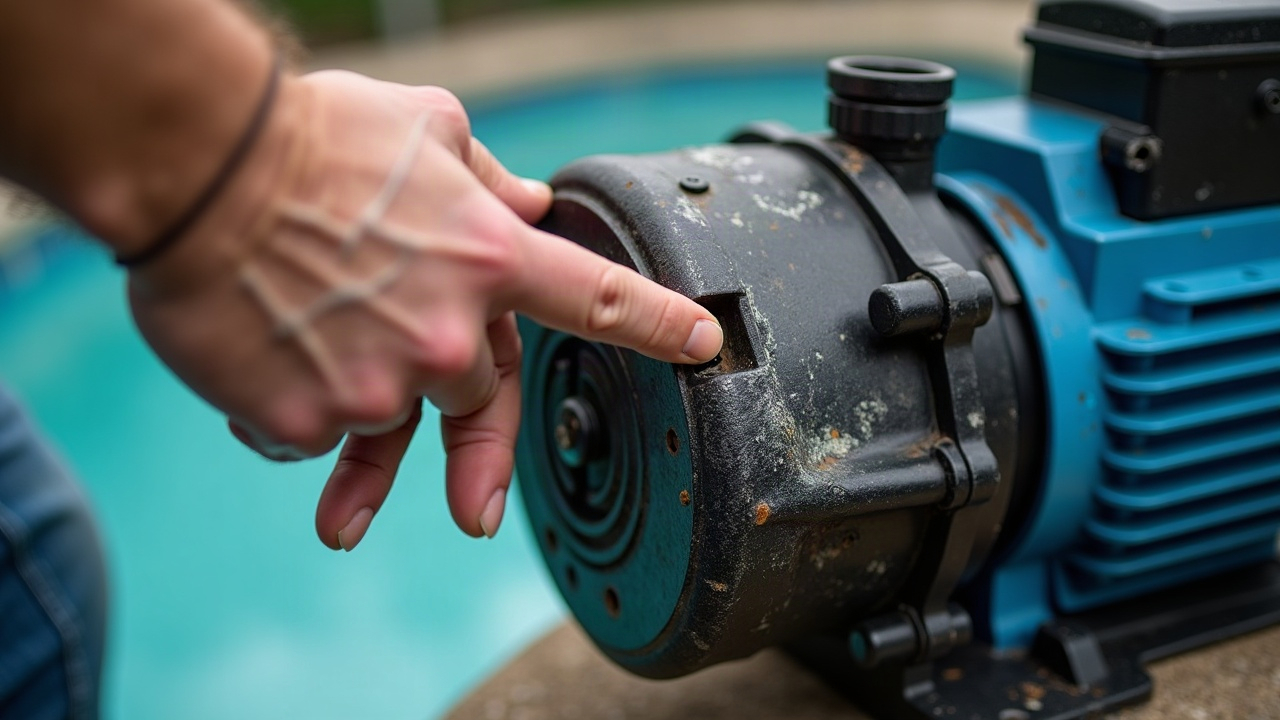
How Do You Train Your Front Office to Close Pool Service Upsells?
Your front office closes pool service upsells by owning the follow-up process and treating every completed service ticket as a potential sales trigger. They need three things: visibility into what the technician found, a follow-up script that feels helpful instead of pushy, and the authority to schedule the next step without waiting for approval. When those three pieces are in place, your close rate on equipment upsells jumps from single digits to 30-40%.
Start by building a service-to-sales handoff. When a leak detection ticket closes, your office should see a flagged note if the technician documented equipment concerns. That flag triggers a call within 24 hours. The front office isn't selling equipment on that call — they're booking a consultation. "Our tech mentioned your filter might need attention. Let's get someone out to take a look and give you a free assessment."
The key is speed. According to Vendasta, local service businesses that follow up within 24 hours close 60% more sales opportunities than those that wait three days. For pool equipment, that window is even tighter because the homeowner's concern fades fast once the immediate problem is fixed.
Train your front office to listen for buying signals during the follow-up call. If the homeowner says "yeah, I've been worried about that pump," that's a green light to book the consultation immediately. If they hesitate, offer education: "No pressure — we just want to make sure you have the information before something breaks mid-summer."
What's the Best Way to Track Pool Service Upsell Opportunities?
Track upsells by flagging service tickets with equipment notes and setting automatic follow-up reminders. Every leak detection, every repair, every maintenance visit should generate a record of what was observed. Not just what was fixed — what's aging, what's inefficient, what's likely to fail soon. Those notes become your sales pipeline.
Use a simple tagging method: "Pump - aging," "Filter - needs replacement," "Heater - inefficient." When your front office reviews the closed tickets each morning, those tags tell them exactly who to call and what to offer. You can calculate your losses from missed follow-ups and see how much revenue is sitting in your completed service tickets right now.
What Does a Real-World Pool Leak Detection Upsell Process Look Like?
A pool service company in Arizona was running 60-80 leak detection calls per month and closing maybe three equipment sales. They were excellent at finding leaks. Terrible at monetizing what they found. The owner knew the revenue was there — his techs mentioned aging pumps and failing filters constantly — but nothing was happening with that information.
They implemented a structured follow-up process. Every leak detection ticket got reviewed by the front office within 24 hours. If the technician flagged equipment concerns, the office called to schedule a free equipment assessment. Not a sales call — an assessment. The pitch was simple: "We fixed your leak, but our tech noted a few things that might need attention soon. Let's get you a full assessment so you can plan ahead."
Within 90 days, their equipment sales from leak detection calls jumped from 3 per month to 18. Same technicians. Same customer base. The only change was that someone in the office owned the follow-up and executed it consistently. They added $40,000 in equipment revenue per month without hiring a salesperson.
The breakthrough wasn't a new sales technique. It was realizing that the sale doesn't happen in the field. It happens in the follow-up. And follow-up only happens when someone owns it.

Why Do Most Pool Companies Fail at Pool Equipment Sales Training?
Pool equipment sales training fails because companies train the wrong people in the wrong way. They send technicians to sales seminars and tell them to "be more consultative," but technicians aren't wired to sell and don't want to be. Forcing them into a sales role creates awkwardness, inconsistency, and resentment. The real solution is to stop asking technicians to sell and start training your front office to close.
Technicians should identify opportunities. Front office should close them. When you blur that line, both roles suffer. Your techs feel like pushy salespeople, your customers feel pressured, and your close rate stays low. The companies that win at pool service upsells have a clean division: field team diagnoses and documents, office team follows up and books.
Sales training also fails when it's generic. "Ask open-ended questions" and "overcome objections" doesn't work when your team is following up on a leak detection call. They need specific scripts, specific triggers, and specific next steps. Train your front office to recognize high-value opportunities: pumps over 8 years old, filters that haven't been replaced in 5+ years, equipment that's running inefficiently and costing the homeowner money. Those are the conversations that convert.
How Much Revenue Are You Losing by Not Following Up on Pool Service Calls?
If you're running 50 leak detection calls per month and not following up on equipment opportunities, you're losing $15,000-$30,000 in monthly revenue. Most leak detection calls reveal at least one piece of aging or failing equipment. If you're converting fewer than 10% of those into equipment sales, you're leaving 90% of the opportunity on the table.
Do the math: 50 leak detection calls per month. 40% reveal equipment that should be replaced soon. That's 20 opportunities. If you close 30% with a structured follow-up process, that's 6 equipment sales per month. Average pool equipment sale: $2,500-$5,000. That's $15,000-$30,000 in monthly revenue you're currently missing because no one's making the follow-up call.
The cost isn't just lost revenue. It's lost customers. When your competitor follows up and you don't, the homeowner assumes your competitor cares more. They're right. You can see what it costs to put a front office team in place that never misses a follow-up and compare it to what you're losing every month in missed opportunities.
Frequently Asked Questions About Pool Leak Detection Upsells
Should pool technicians quote equipment prices during leak detection calls?
No. Technicians should diagnose and document equipment concerns but avoid quoting prices on the spot. Pricing conversations should happen during a scheduled follow-up with your front office or sales team, after the homeowner has had time to process the recommendation. On-the-spot pricing feels pushy and triggers buyer resistance. Instead, have your technician say, "I'll note this in your file, and our office will follow up with options."
How soon should you follow up after a leak detection call?
Within 24 hours. The homeowner's sense of urgency and trust in your recommendation is highest immediately after the service call. Waiting even 48-72 hours dramatically reduces your close rate because the problem feels "fixed" and their attention moves elsewhere. Your front office should review every completed leak detection ticket the next morning and call any flagged opportunities that same day.
What's the average close rate for pool equipment upsells from service calls?
Without a structured follow-up process, most pool companies close 5-10% of equipment opportunities identified during service calls. With a trained front office team executing consistent follow-up within 24 hours, that close rate jumps to 30-40%. The difference isn't the quality of the opportunity — it's whether anyone follows up while the customer is still thinking about the problem.
Do customers get annoyed by follow-up calls after pool service?
Not if the follow-up is framed as helpful rather than pushy. Homeowners expect and appreciate follow-up when it's positioned as "making sure you have the information you need." The call should offer a free assessment or consultation, not push for an immediate sale. Customers get annoyed when they feel ambushed by pricing or pressure, not when someone offers to help them plan for equipment that's aging.
How do you track which leak detection calls have upsell potential?
Use service ticket tags or notes to flag equipment concerns. Train your technicians to document what they observe: "Pump - 10+ years old, loud operation," "Filter - needs replacement," "Heater - inefficient, driving up energy costs." Your front office reviews completed tickets daily and follows up on any flagged items within 24 hours. This creates a simple, repeatable process that doesn't rely on memory or guesswork.
What's the best way to pitch equipment replacement without sounding like a salesperson?
Don't pitch. Educate and offer to help them plan. The script should sound like this: "Our technician fixed your leak but noticed your pump is showing some age. We'd like to send someone out to give you a free assessment so you know what to expect and can budget for it. No pressure — just information." That positions you as a helpful advisor, not a salesperson, and dramatically increases your close rate.
Stop Losing Revenue on Every Service Call You Run
Your pool leak detection calls are already uncovering thousands in equipment revenue. The question is whether someone on your team is trained to follow up and close it. Most pool companies treat service and sales as separate operations — and lose 90% of their upsell opportunities in the gap between the field and the office.
The fix isn't more sales training for your technicians. It's putting a front office team in place that owns the follow-up process, calls every opportunity within 24 hours, and books the next step before the customer's urgency fades. That's how you turn pool leak detection upsells into consistent equipment revenue without pressuring customers or turning your techs into salespeople.
Book All Leads gives you a full front office team trained to identify and close upsell opportunities from every service call. We're live in five days. No software to learn. No contracts. Just a team that answers every call, follows up on every opportunity, and turns your service business into a revenue engine. Let's talk about what you're leaving on the table right now.
John Edmonds is a native Texan and military combat veteran. He founded Book All Leads after identifying a critical gap in the service industry: business owners losing revenue not from lack of skill, but because no one was handling the calls, follow-ups, reviews, and payments while they were busy doing the work.
View LinkedIn Profile →