
Pool opening call response time determines whether you win or lose the booking—especially in spring when homeowners are calling multiple companies back-to-back and booking with whoever answers first. When a homeowner calls for pool opening service in March or April, they're not comparison shopping on price. They're in urgency mode, trying to get their pool ready for the season, and they'll book with the first company that picks up and sounds capable. If you're letting calls roll to voicemail while you're on-site, you're donating your most profitable season to competitors who answer in under 60 seconds.
Why Pool Opening Calls Are Different From Every Other Service Call
Pool opening calls happen in a compressed 6-8 week window when everyone needs service at once, and homeowners know it. Unlike a broken heater in July when they'll wait for their preferred company, spring opening is a race against weather and social plans. The homeowner calling you has probably already called two other companies, and they're calling a fourth right after you.
According to InsideSales.com, leads contacted within one minute are 391% more likely to convert than those contacted after five minutes. In pool opening season, that window is even tighter. The homeowner isn't waiting five minutes. They're booking within 60 seconds of reaching someone who answers professionally and can schedule them.
Here's what most articles won't tell you: The booking doesn't go to the cheapest company. It goes to the company that made it easiest to say yes—which means answering fast, confirming availability immediately, and not requiring a callback "after I check the schedule." Your competitor who answers on ring two and says "I can get you on the schedule for April 12th, does that work?" wins the job before you even listen to your voicemail.
Three things happen during peak pool opening season that make call response times critical:
- Homeowners are calling in bursts — They've got your number, your competitor's number, and two more from Google. They're calling all four within ten minutes.
- Weather creates urgency spikes — The first warm weekend triggers hundreds of calls in a 48-hour period. Miss those calls and you've lost 15-20% of your season's revenue.
- Booking speed beats brand loyalty — Even customers who used you last year will book with someone else if you don't pick up. They assume you're too busy and move on.
What Happens When Your Pool Opening Calls Go to Voicemail
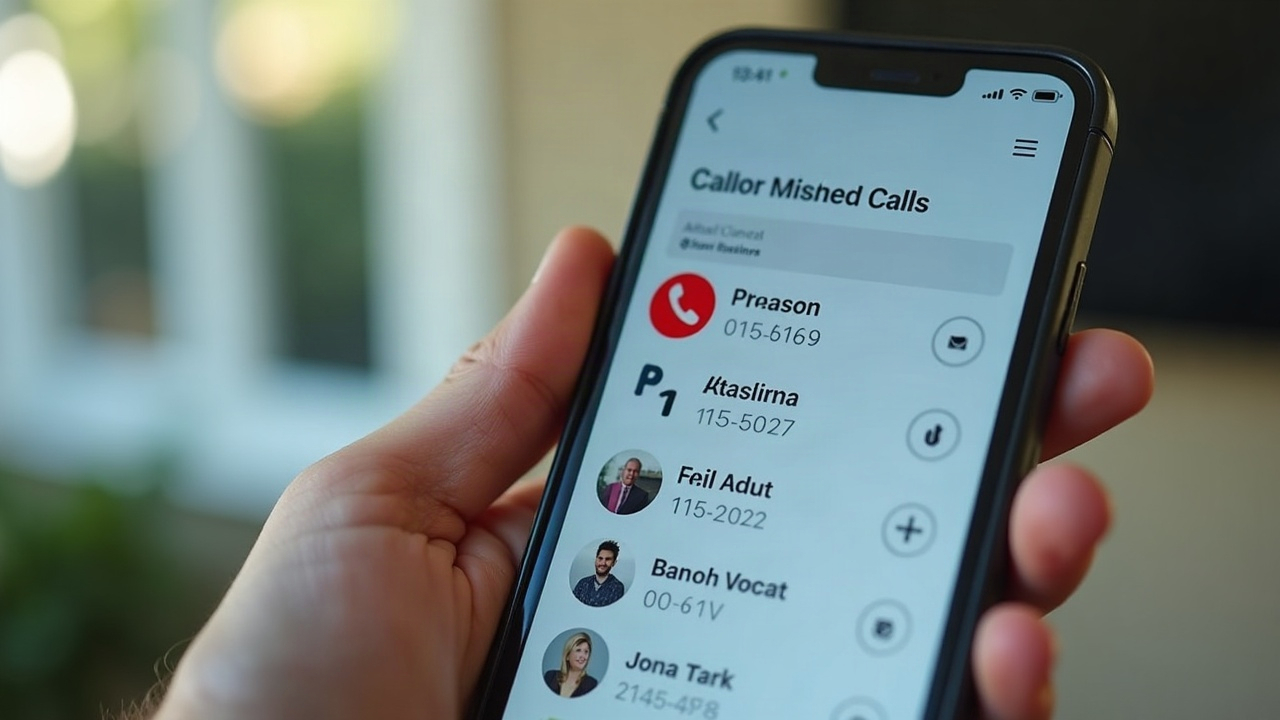
When a homeowner's call rolls to voicemail during pool opening season, they don't leave a message and wait. They hang up and dial the next number on their list. By the time you call them back—even if it's 30 minutes later—they've already booked with someone else. You're not losing one call; you're losing the entire spring pipeline.
The math is brutal. If your average pool opening is worth $350 and you're missing 40% of inbound calls during the eight-week spring rush, that's not just lost revenue—it's lost annual customer relationships. Pool service is a recurring business. The customer who books opening with your competitor will likely book closing with them too, then weekly service next summer.
One pool service owner in Arizona tracked this exact problem. During the third week of March, his company received 83 calls over four days—the first big warm-weather spike. He and his two technicians were on-site doing openings and couldn't answer. They returned 71 calls within two hours. Only 11 people answered. Of those 11, eight had already booked with another company. He calculated he lost $14,000 in opening revenue in four days, plus the annual value of those customer relationships.
Why "I'll Call Them Back" Doesn't Work Anymore
Ten years ago, homeowners expected to leave a message and wait for a callback. That's not how it works now. Google Maps and Yelp have conditioned them to expect immediate response. They see your business listed with four competitors, all showing "Open Now" and phone numbers ready to tap. If you don't answer, they assume you're too busy to take on new work, and they move to the next name on the list.
Even loyal customers behave this way in spring. They're not being disloyal—they're being practical. Pool opening is time-sensitive. They need it done before the first pool party or before they leave for vacation. Waiting 24 hours for a callback feels like risk. Booking immediately with someone who answered feels like certainty.
How Fast Pool Companies Actually Lose the Booking
The booking is lost in the first 60 seconds, but most pool company owners don't realize it's happening. You see missed calls in your phone log and assume people will call back or that you'll catch them when you return the call. What you don't see is the competitor who answered on ring three and locked in the booking while you were vacuuming a pool floor.
Here's the actual sequence of how you lose the job:
0:00 — Homeowner calls your number. Phone rings four times and goes to voicemail. Homeowner hangs up without leaving a message.
0:45 — Homeowner calls your competitor. Competitor's front office team answers on ring two, confirms availability for April 15th, collects credit card for deposit, sends confirmation text.
1:30 — You finish the pool vacuum, check your phone, see the missed call, and dial back. Homeowner either doesn't answer (they're done calling) or answers and says "I already got it scheduled, but thanks."
You didn't lose because your service is worse or your price is higher. You lost because you weren't available to say yes when the customer was ready to book. Speed to answer determines who wins the job in pool opening season. Everything else is secondary.
Who Answers Your Pool Season Phone Calls While You're Skimming Leaves?
Most pool companies handle spring overflow the same way: They don't. The owner and techs are on-site doing openings from 7 a.m. to 7 p.m., six days a week. Phones go to voicemail. The owner returns calls at night or during lunch. By then, 60-70% of callers have already booked elsewhere. Some owners hire a part-time office person for the season, but that person works 9-to-5 and doesn't answer nights, weekends, or when they're at lunch—exactly when homeowners are calling.
Book All Leads gives you a full front office team that answers every call in under 60 seconds, books the job, collects payment, and sends confirmations—all while you're finishing the opening you're on. It's not software you have to learn or a voicemail system. It's six people working around the clock as your front office, handling everything from first ring to payment collected. You're live in five days, and there's no contract. You pay for the calls we answer and the jobs we book. That's it.
What It Actually Costs to Miss Pool Opening Calls
The immediate cost is obvious: You miss the booking. But the real cost is the annual customer lifetime value you're giving to your competitor. A pool opening customer who becomes a weekly service customer is worth $1,200-$2,500 per year in most markets. If you miss 30 opening calls in spring and lose 20 of those bookings, you're not losing $7,000 in opening revenue—you're losing $24,000-$50,000 in annual recurring revenue.
| Scenario | Missed Calls | Lost Bookings | Lost Opening Revenue | Lost Annual Value |
|---|---|---|---|---|
| Small operator (solo or 1 tech) | 40 | 28 | $9,800 | $33,600 |
| Mid-size company (3-5 techs) | 120 | 84 | $29,400 | $100,800 |
| Larger operation (6+ techs) | 200 | 140 | $49,000 | $168,000 |
These numbers assume a 70% conversion rate on answered calls and an average opening price of $350. If your market rates are higher or your conversion is better, your losses are even larger. Use our calculator to see what missed calls are costing your specific business.
The Compounding Cost of Lost Spring Momentum
Missing calls in spring doesn't just cost you those individual bookings. It costs you the momentum that carries through the season. Pool service businesses that book strong in March and April have full weekly routes by June. Companies that miss spring calls spend the summer scrambling to fill schedules, often discounting to attract new customers mid-season when demand softens.
The customer you lose in April doesn't just hire your competitor for opening. They hire them for closing in October. They refer them to their neighbor in May. They leave them a five-star review in June. You're not just losing one transaction—you're funding your competitor's growth.
Why Hiring Seasonal Office Help Doesn't Solve This
Some pool companies hire a part-time office person for pool season, thinking that solves the phone problem. It helps, but it doesn't fix it. Part-time help works 9-to-5, Monday through Friday. Pool opening calls come in at 7 a.m. before work, at lunch, at 6 p.m. after work, and all day Saturday. Your part-timer isn't there for most of those calls.
Even when they are there, they're one person. When call volume spikes—like the first 75-degree Saturday in March—they can't handle three calls at once. Two of those calls go to voicemail, and you lose the bookings. Part-time help is better than nothing, but it's not a solution to the core problem: You need someone answering every call, in under 60 seconds, every time it rings, no matter when it comes in.
The Training and Turnover Problem
Hiring seasonal help means training someone new every spring. By the time they're good at the job—understanding your pricing, knowing your schedule, handling objections—it's June and the rush is over. Then they leave, and next March you start over with someone new. You're paying for training every year and never getting the benefit of experienced people who know your business.
Compare that to a dedicated front office team that's been answering your calls for months or years. They know your pricing. They know how to handle the "can you come tomorrow?" question. They know which zip codes you charge travel fees for. They sound like they've worked for you forever because, effectively, they have.
The Fix: Answer Every Call in Under 60 Seconds or Lose the Season
The solution isn't complicated: Every pool opening call needs to be answered by a real person in under 60 seconds, every time, no matter when it comes in or how many other calls are ringing. That person needs to sound professional, know your pricing and availability, book the job on the spot, collect payment, and send confirmation—all without you being involved.
You have three options to make that happen:
Option 1: Stop doing openings and answer your phone. Obviously not realistic. You can't run a service business from behind a desk during your busiest season.
Option 2: Hire full-time office staff. This works if you're doing 500+ openings per season and can justify the salary, benefits, and management overhead. For most pool companies, it's too expensive for seasonal demand.
Option 3: Use a front office team that works for multiple pool companies and answers your calls as if they work for you. You pay only for what you use, you're live in days, and there's no hiring, training, or turnover. This is what businesses with strong spring booking rates have figured out.
The key difference between losing and winning pool opening season is whether someone competent answers your calls in the first 60 seconds. Everything else—your service quality, your reputation, your pricing—is irrelevant if the homeowner never gets through to book.

What "Answering Fast" Actually Means in Pool Season
Answering fast doesn't just mean picking up the phone quickly. It means the person who answers can close the booking on the spot. If your answering service takes a message and you have to call back, you're still losing the job. The homeowner wanted to book now, and your competitor let them do that while you're stuck in callback mode.
Fast answering means:
- Picking up in under 60 seconds (ideally under 30)
- Knowing your pricing and service options
- Checking availability and booking the slot immediately
- Collecting payment to secure the booking
- Sending confirmation text or email before the call ends
If any of those steps are missing, you're introducing friction that costs you bookings. The homeowner who has to wait for you to "check the schedule and call back" is the homeowner who books with your competitor five minutes later.
The Payment Collection Step Most Pool Companies Skip
Even companies that answer fast often skip collecting payment on the first call. They book the appointment and assume the customer will pay when you arrive. That's a mistake. Pool opening no-shows run 10-15% when you don't collect upfront. Homeowners book with three companies "just in case" and cancel two of them. If you didn't collect payment, you just lost a time slot you could have sold.
Taking payment on the booking call does two things: It confirms the customer is serious, and it protects your schedule. The competitor who collects a $100 deposit on the phone has locked in the job. You're hoping the customer doesn't cancel.
How to Calculate What Missed Pool Calls Are Costing You
Most pool company owners know they're missing calls, but they don't know how much it's costing. Here's how to calculate it:
Step 1: Check your call log for the last 30 days. Count total inbound calls and missed calls. Calculate your miss rate (missed calls ÷ total calls).
Step 2: Estimate how many of those missed calls were potential pool openings. In March and April, it's usually 60-80% of inbound calls.
Step 3: Multiply missed pool opening calls by your conversion rate (usually 60-70% if you answer) and your average opening price. That's your lost revenue for the month.
Step 4: Multiply by your average customer lifetime value (annual service revenue per customer). That's the real cost.
If you missed 50 calls in March, and 70% were pool opening inquiries, that's 35 missed opportunities. If you would have closed 70% of those at $350 each, you lost $8,575 in opening revenue. If those customers are worth $1,500/year on average, you lost $36,750 in annual revenue. Run those numbers for April and May, and you're looking at six-figure losses from calls you didn't even know you missed.
What Pool Companies Who Win Spring Season Do Differently
The pool companies that dominate spring opening season don't have better technicians or lower prices. They have systems in place that ensure every call is answered professionally, booked immediately, and confirmed before the homeowner hangs up. They've recognized that pool opening season is won or lost on call response time, not service quality.
According to the Bureau of Labor Statistics, employment in the pool and spa service industry is projected to grow as the installed base of residential pools continues to increase. That means more competition for the same spring opening calls. The companies that answer fastest will capture the growth. The ones that don't will watch their market share erode.
Here's what high-performing pool service companies do differently:
They treat every inbound call like a $1,500 opportunity — because that's what it is when you factor in annual customer value. They don't let those calls go to voicemail or get answered by an untrained part-timer.
They book and collect payment on the first call — no callbacks, no "let me check the schedule." The person answering has access to scheduling and payment processing and closes the deal before the homeowner hangs up.
They staff their front office to match call volume, not office hours — that means coverage from 7 a.m. to 8 p.m., seven days a week during spring season, with enough capacity to handle multiple calls at once during peak times.
These companies understand that pool opening season is a revenue event, not a service delivery period. The service work is important, but the booking window is where the money is won or lost.
Frequently Asked Questions
How fast do I really need to answer pool opening calls?
Under 60 seconds to stay competitive, but under 30 seconds is ideal. Research from InsideSales.com shows that leads contacted within one minute are 391% more likely to convert. In pool opening season when homeowners are calling multiple companies back-to-back, that window is even more critical. If your call goes to voicemail, the homeowner has already dialed your competitor before your voicemail greeting finishes.
What percentage of pool opening calls do I need to answer to stay profitable?
You should aim to answer at least 85-90% of inbound calls during peak season. If you're missing more than 15% of calls, you're likely losing 20-30% of potential revenue because missed calls almost never convert to bookings. Most homeowners don't leave voicemail during pool opening season—they just call the next company on their list.
Will homeowners really book with the first company that answers?
Yes, especially in spring when everyone needs service at once. Pool opening isn't a considered purchase where homeowners shop around for days. It's a time-sensitive service with a narrow window. Homeowners are calling to get it scheduled and checked off their list. The company that makes booking easiest—by answering fast and confirming availability immediately—gets the job. Price is rarely the deciding factor.
How much does a missed pool opening call actually cost?
The immediate loss is your opening fee (typically $300-$450), but the real cost is the annual customer lifetime value—usually $1,200-$2,500 for customers who become weekly service clients. If you miss 40 calls during spring season and lose 25 of those bookings, you're not just losing $8,750 in opening revenue—you're losing $30,000-$62,500 in annual recurring revenue. That's the real cost of letting calls go to voicemail.
Can I just hire a seasonal receptionist to answer calls during pool opening season?
Seasonal help is better than nothing, but it rarely solves the problem. Part-time receptionists work limited hours (usually 9-5 weekdays), but pool opening calls come in early mornings, evenings, and weekends—exactly when your part-timer isn't there. They also can't handle multiple simultaneous calls during volume spikes. By the time you train them to handle calls well, the season is over and they leave. You need year-round coverage that scales with demand.
Do I need to collect payment when I book pool opening appointments?
Yes. Collecting at least a deposit when you book the appointment reduces no-shows from 10-15% down to under 2%. During pool opening season, homeowners often call multiple companies and book with two or three "just in case," then cancel the ones they don't need. If you didn't collect payment, you lose that time slot. Payment collection also signals to the customer that this is a confirmed appointment, not a tentative hold.
Stop Losing Your Most Profitable Season to Competitors Who Simply Answer the Phone
Pool opening season represents 30-40% of your annual revenue compressed into eight weeks. Every call you miss during that window is a customer you're handing to a competitor—not because they're better or cheaper, but because they answered the phone in under 60 seconds and you didn't. The homeowner calling you in March isn't comparison shopping. They're trying to get their pool ready for summer, and they're booking with whoever picks up first.
You can keep losing $30,000-$100,000 per season to missed calls, or you can put someone in place who answers every call, books the job, and collects payment while you're finishing the opening you're on. The pool companies winning spring season have figured this out. They don't have better service—they have better front office coverage.
Your spring opening pipeline is ringing right now. Someone's going to answer those calls and book those jobs. Make sure it's your team, not your competitor's.
John Edmonds is a native Texan and military combat veteran. He founded Book All Leads after identifying a critical gap in the service industry: business owners losing revenue not from lack of skill, but because no one was handling the calls, follow-ups, reviews, and payments while they were busy doing the work.
View LinkedIn Profile →