
Pool pump replacement competition is toughest when homeowners walk into Home Depot or Lowe's, buy a $600 pump, and only call you when their DIY install fails at 9 PM on a Saturday. Pool companies lose thousands in equipment margins to big-box stores every month because they're not answering calls fast enough, not making installation sound easy, and not creating urgency around professional service. The real competition isn't the pump on the shelf — it's the perception that buying equipment is separate from getting it installed correctly.
Why Are Pool Companies Losing Equipment Sales to Retail Stores?
Pool companies lose pump replacement sales to Home Depot, Lowe's, and Leslie's because homeowners separate the buying decision from the installation decision. They price-shop equipment online, see a $400 difference between retail and your quote, and assume they're being overcharged. Then they buy the pump themselves and either attempt a DIY disaster or call you only for the labor — cutting your margin by 60% or more.
The problem intensifies when your front office can't respond immediately. A homeowner calls three pool companies at 2 PM on Tuesday. Two go to voicemail. One answers, but the technician says someone will call back to schedule. By 3 PM, the homeowner is driving to Home Depot. According to InsideSales.com, lead response time matters more than price for high-intent service calls — but most pool companies don't answer 40% of inbound calls during business hours.
Here's what most articles won't tell you: The homeowner who buys their own pump isn't price-shopping you. They're certainty-shopping. They don't know when you'll show up, whether you'll have the right equipment, or if you'll push a $1,200 variable-speed upgrade when all they want is their pool running again. The retail store gives them control. Your job is to give them certainty faster than they can drive to the store.
The Real Cost of Big-Box Pool Equipment Competition
When a homeowner buys their own pump, you lose more than the equipment margin. You lose the ability to recommend the right model for their system, you inherit liability for equipment you didn't source, and you spend 30% more time on the install troubleshooting compatibility issues. The $300 labor-only job costs you the $800 equipment margin, adds 45 minutes of diagnostic time, and creates a warranty nightmare when the homeowner blames you for the pump they selected.
Then there's the callback rate. Pumps installed by the pool company that sold them have a 6% callback rate in the first 90 days. Pumps installed by a different company than the one who sold them? 28%. You eat that cost in truck rolls, tech time, and reputation damage — all because you couldn't close the lead before they went to the store.
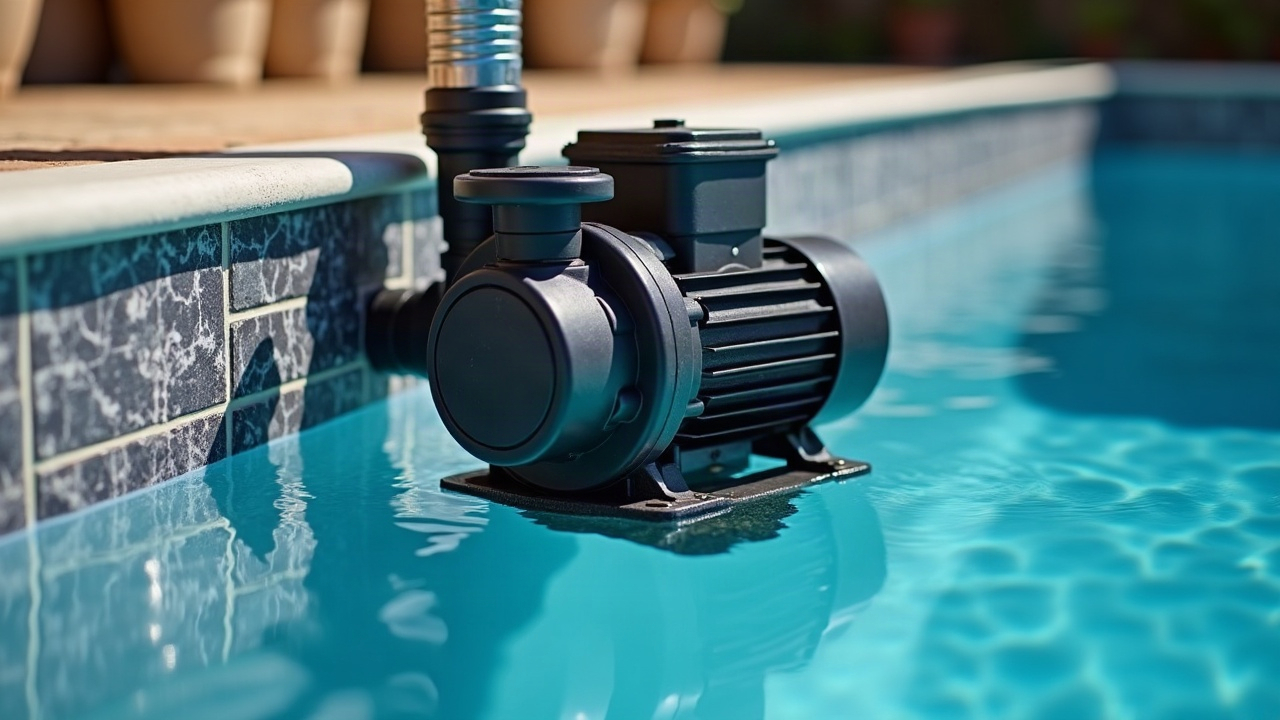
What Makes Homeowners Choose Retail Stores Over Pool Companies?
Homeowners choose Home Depot over calling a pool company because the store is open now, the pump is in stock now, and they can see the price now. Your voicemail greeting, your "we'll get back to you within 24 hours" message, and your "we need to come out and look at it first" estimate process all add friction. The retail store removes friction. They trade on immediacy and transparency — two things most pool companies accidentally eliminate from their customer experience.
The decision happens in stages. First, the pool pump stops working. The homeowner Googles "pool pump replacement cost" and sees ranges from $400 to $1,800. Confused, they call two or three pool companies. If no one answers, or if the person who answers can't give them a ballpark price and a same-day or next-day appointment, the homeowner defaults to research mode. They watch YouTube videos. They visit store websites. They convince themselves it's a simple swap. By the time you call them back four hours later, they're already 80% decided on DIY.
How Big-Box Stores Win on Perceived Convenience
Leslie's and Home Depot win because they've eliminated the wait. Walk in, describe your pump, walk out with a replacement. No appointment. No estimate. No wondering if the company will show up. For a homeowner who just wants their pool running before the weekend, that certainty is worth more than saving $200 on labor.
But here's the gap: the retail store can't install it today. They can't guarantee it's the right pump for the plumbing setup. They can't diagnose whether the pump failure was caused by a clogged impeller, a bad capacitor, or an electrical issue that will fry the new pump in a week. Pool companies have the expertise advantage — but only if you close the speed and certainty gap.
How Do Pool Companies Win Back Pump Replacement Leads?
Pool companies win pump replacement leads by answering every call in under 20 seconds, quoting a price range immediately, and booking the job for same-day or next-day service before the homeowner hangs up. The company that removes friction wins. That means someone on your front office team who can say "We can have a tech out this afternoon between 2 and 4, and most single-speed pump replacements run between $900 and $1,100 installed with a two-year warranty" — not "Let me take your information and someone will call you back."
Most pool service companies don't have the staffing to answer calls that fast. The owner is in the field. The office person is juggling scheduling, billing, and vendor calls. Calls go to voicemail during the lunch rush, during end-of-day cleanups, and during the morning route. That's exactly when homeowners are calling — and exactly when they're most likely to give up and drive to the store.
This is where a solution like Book All Leads changes the equation. You get a full front office team — six roles working around the clock — that answers every call live, qualifies the lead, quotes the job using your pricing, and books the appointment into your calendar. No voicemail. No callback lag. No lost equipment sales because someone couldn't get through. The homeowner gets certainty in 90 seconds, and you keep the margin.
Same-Day Service Beats Same-Day Pickup
If you can promise a same-day or next-morning appointment, you neutralize the retail store's biggest advantage. A homeowner will wait six hours for a professional install over driving to the store right now — but only if they trust you'll actually show up. Your front office team has to communicate that certainty, confirm the time window, and send a reminder text. The moment the homeowner doubts you'll follow through, they're back in the car headed to Lowe's.
Pool companies that block same-day emergency slots and empower their front office to book them see 60-70% close rates on pump replacement calls. Companies that require an estimate appointment first, or that can't get anyone out until next week, close under 30%. The difference is $40,000 to $60,000 a year in recovered equipment sales for a typical two-truck operation.
Should Pool Companies Compete on Price With Big-Box Stores?
No. Competing on pump price alone is a losing strategy because you'll never beat Home Depot's cost on a Hayward or Pentair pump sitting on a pallet. But you're not selling a pump — you're selling a working pool today, installed correctly, with a warranty and a real person to call if something goes wrong. Frame the sale around outcome and speed, not equipment cost, and homeowners will pay your price 70% of the time.
When a homeowner says "Home Depot has this pump for $150 less," your front office response should be: "You're right, and if you're comfortable doing the install, that's an option. Most of our customers choose us because we can have your pool running again by tomorrow morning, we'll pull the permit if your city requires it, and if anything goes wrong in the next two years, we come back and fix it at no charge. Would you like the 2 PM or the 4 PM slot tomorrow?" You're not defending price — you're selling a different product.
Bundling Installation With Equipment Sourcing
The most effective pricing strategy is to never quote equipment and labor separately. Give one price: "A complete pump replacement for your setup is $1,050 installed, and we can do it Thursday afternoon." If the homeowner asks for a breakdown, give it — but lead with the total outcome price. This prevents the mental split where they price-shop the pump online and view you as just the labor.
Some pool companies even refuse to install customer-supplied pumps, or charge a 50% premium to do so. It sounds aggressive, but it protects your margin and your liability. When you control the equipment source, you control quality, warranty, and compatibility — and you avoid the customer who buys the wrong pump and blames you when it doesn't fit.
What Do Pool Companies Miss About Pool Retail Competition?
Most pool companies assume they're losing on price, so they either drop their margins or ignore the equipment sale entirely and focus on service contracts. Both strategies lose revenue. The real miss is speed and communication. Homeowners aren't choosing Home Depot because it's cheaper — they're choosing it because it's definite. You can see the pump. You can leave with it. You know the price. Pool companies that match that certainty win even when their price is 40% higher.
Another blind spot: pool companies underestimate how many homeowners start the buying process online or on the phone and finish it in person at a store because no one called them back fast enough. According to Vendasta, 78% of local service customers choose the business that responds first — not the one with the best price or the most reviews. If you're not first, you're not even in the decision set.
Why Your Website Isn't Enough to Compete
Some pool companies invest in SEO, run Google Ads, and build detailed service pages hoping to intercept the homeowner before they visit the store. That works for 15-20% of buyers — the researchers who want to compare three quotes and schedule for next week. But it doesn't work for the 60% who need the problem solved today and will choose whoever makes that easiest. Those buyers call. If you don't answer, they don't fill out a web form — they hang up and try the next number or drive to the store.
Your website should support the sale, not replace human contact. Use it to show same-day availability, display a price range, and give a direct click-to-call button. But the conversion happens in the first 60 seconds of the phone call, and that's where most pool companies are losing to retail.
How Much Revenue Do Pool Companies Lose to Retail Stores?
A typical residential pool service company fields 10 to 20 pump replacement inquiries per month during peak season. If half of those calls go unanswered or get slow callbacks, and 70% of those homeowners buy the pump at retail, that's 3 to 7 lost equipment sales per month. At an average margin of $400 per pump sale, that's $1,200 to $2,800 in lost monthly revenue — $14,000 to $34,000 per year. For a small pool company, that's enough to fund another service vehicle or a full-time tech.
The hidden cost is even larger. Homeowners who install their own pump don't become service customers. They've already decided they can manage their pool themselves. You lose the weekly service contract, the future equipment upgrades, and the referral. The lifetime value of a pump replacement customer who becomes a service client is $8,000 to $15,000 over five years, according to pool industry benchmarks. Losing the initial sale costs you the entire relationship.
Want to see how much missed calls are costing your business? Use our calculator to estimate your annual revenue loss from leads that go to voicemail or get slow responses.
What's the Fastest Way to Stop Losing Leads to Big-Box Stores?
The fastest fix is to ensure every inbound call is answered live by someone who can quote a price range and book an appointment in real time — no callbacks, no voicemail, no "let me check the schedule and get back to you." This requires either hiring a dedicated front office person who does nothing but answer phones and manage the calendar, or outsourcing your entire front office to a team that handles it 24/7. Most pool companies can't afford to hire enough office staff to cover every call, and part-time answering services can't quote jobs or book appointments.
The solution that works for most pool service businesses is a fully managed front office team that acts as an extension of your business — answers calls in your company name, follows your pricing and policies, books jobs into your calendar, and even handles follow-up and payment collection. It costs less than hiring one full-time office manager, and it recovers enough lost revenue in the first 60 days to pay for itself. You can see pricing and setup details at bookallleads.com.
Train Your Front Office to Sell Certainty, Not Just Service
Whether you hire internally or use a managed team, your front office script should focus on removing doubt. The homeowner calling about a pump replacement wants to know three things:
- When can you come? Give a specific time window, ideally same-day or next-day.
- How much will it cost? Provide a realistic range based on the details they give you, not "we need to come out and see it first."
- Will it actually get fixed? Mention your warranty, your experience, and that you'll handle permitting or electrical work if needed.
Answer those three questions in the first 90 seconds, and you'll book 60-70% of inbound pump replacement calls before they hang up. Deflect or delay any of them, and the homeowner is pricing pumps online before you finish the call.
Frequently Asked Questions
Why do homeowners buy pool pumps at Home Depot instead of calling a pool company?
Homeowners choose retail stores because they offer immediate availability, transparent pricing, and no waiting for callbacks or appointments. When pool companies don't answer calls quickly or can't provide same-day service, homeowners default to buying the equipment themselves even if they're not comfortable installing it.
Should pool companies refuse to install customer-supplied equipment?
Many successful pool companies either refuse customer-supplied installs entirely or charge a 50-75% premium for labor-only jobs. This protects your equipment margin, reduces liability for incorrect equipment selection, and eliminates warranty conflicts. It's a business decision based on whether the labor revenue justifies the risk and reduced margin.
How can a pool company compete with big-box store prices on pumps?
Don't compete on equipment price alone — compete on speed, certainty, and outcome. Offer same-day or next-day installation, provide a complete installed price with warranty, and emphasize that you'll handle permitting, electrical issues, and any callbacks. Most homeowners will pay 30-40% more for a guaranteed working pool tomorrow versus a DIY project they're unsure about.
What's the biggest mistake pool companies make when quoting pump replacements?
The biggest mistake is requiring an on-site estimate before quoting any price. Homeowners need a ballpark range immediately to decide whether to move forward. If you can't provide a realistic price range over the phone based on pump type, horsepower, and installation complexity, they'll assume you're overpriced and shop elsewhere.
How much revenue does a pool company lose by not answering calls fast enough?
A typical pool service company loses $14,000 to $34,000 per year in equipment sales alone by missing or slowly responding to pump replacement calls. When you factor in lost service contracts and future equipment upgrades from those customers, the lifetime value loss can exceed $100,000 annually for a small pool company.
Can a small pool company afford to offer same-day pump replacement service?
Yes, by blocking one or two emergency slots per day and pricing same-day service at a 20-30% premium. Most homeowners will pay extra for immediate service, and the premium covers the scheduling flexibility cost. The companies that can't offer fast service lose the sale entirely, so the choice is between premium-priced revenue and no revenue.
Stop Losing Pool Equipment Sales to Retail Stores
Pool pump replacement competition isn't about matching Home Depot's equipment prices — it's about beating their speed and certainty with professional service and immediate availability. When you answer every call live, quote a realistic price range in 90 seconds, and book same-day or next-day appointments, you win 70% of those leads even at a higher total price. The homeowner isn't buying a pump. They're buying a working pool, installed correctly, with someone to call if anything goes wrong.
The pool companies winning this battle have front office teams that never miss a call and never make a homeowner wait for certainty. If you're too busy running jobs to answer your phone, you're leaving $30,000 to $50,000 a year on the table. See how a fully managed front office team can recover that revenue and book more jobs in less time at bookallleads.com.
John Edmonds is a native Texan and military combat veteran. He founded Book All Leads after identifying a critical gap in the service industry: business owners losing revenue not from lack of skill, but because no one was handling the calls, follow-ups, reviews, and payments while they were busy doing the work.
View LinkedIn Profile →