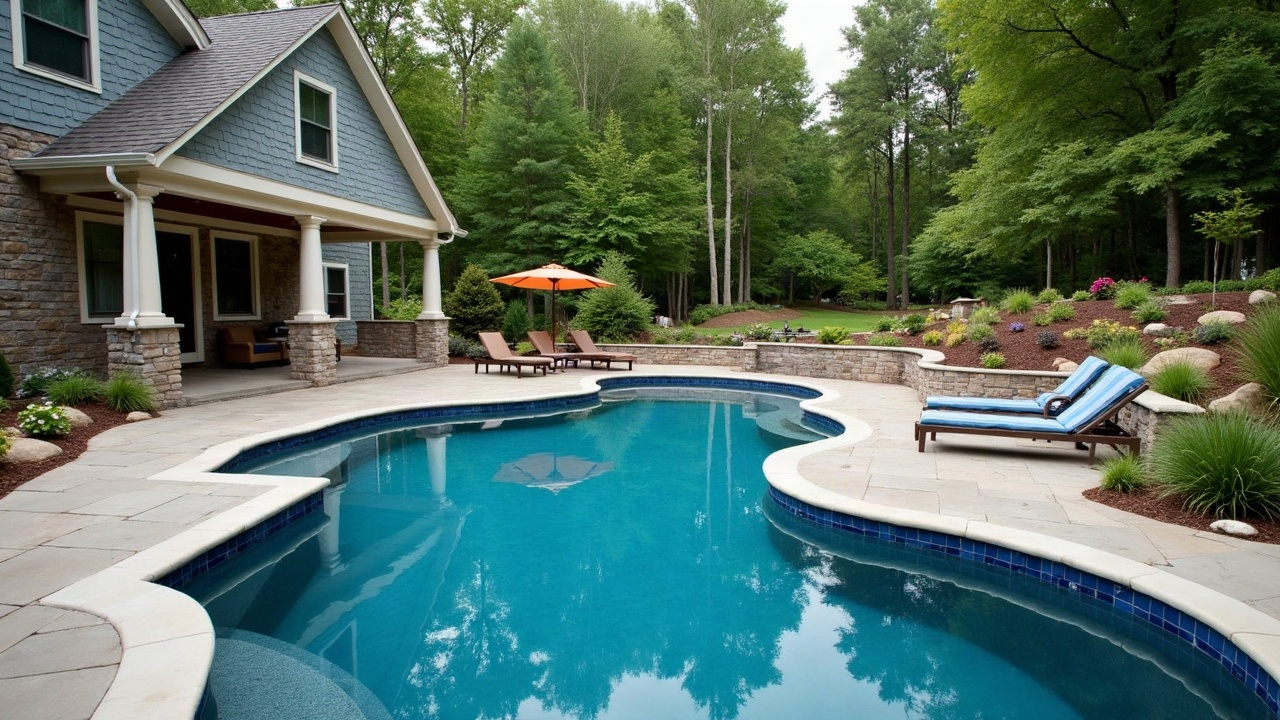
Pool renovation competition isn't just about other pool builders anymore—landscapers are winning your $40,000-$80,000 renovation jobs because they answer faster, position themselves as outdoor living project managers, and bundle your specialty into their bid before you even return the call. Pool companies lose these integrated backyard projects not because they lack expertise, but because they operate like specialists in a market that now demands a general contractor approach to outdoor living spaces.
Why Are Pool Companies Losing High-Ticket Renovation Projects?
Pool companies lose renovation jobs to landscapers primarily because of three structural disadvantages: slower lead response times (often 4-24 hours versus landscapers' 15-minute callbacks), positioning as a single-trade specialist rather than an outdoor living project coordinator, and limited availability during peak inquiry hours when homeowners are actively comparing options. According to InsideSales.com, leads contacted within five minutes are 21 times more likely to convert than those contacted after 30 minutes—and pool companies consistently fall into the slower response category because owner-operators are on job sites managing technical installations.
The renovation customer who calls about resurfacing their pool at 11 AM on a Tuesday isn't just thinking about plaster finishes. They're envisioning an outdoor kitchen, new paver deck, updated landscaping, maybe a fire pit. They have a $75,000 budget and one Saturday to meet with contractors.
The landscaper answers on the second ring. Books them for Thursday at 2 PM. Sends a text confirmation with a portfolio link.
You call back at 4:30 PM after finishing a pump installation. They've already mentally committed to the landscaper's vision—and your pool expertise has been reduced to a line item they might not even need once the landscaper explains their "preferred pool partner."
The Numbers Behind the Shift
The pool service and repair industry generates approximately $5.9 billion annually according to Bureau of Labor Statistics data, but an increasing share of high-ticket residential pool renovations now flows through landscape contractors who position themselves as outdoor living general contractors. When a landscaper captures the initial relationship, they control the project scope, timeline, and subcontractor selection—often relegating pool companies to competitive bidding for their own specialty.
Here's what most articles won't tell you: The homeowner who hires a landscaper first almost never switches to a pool company as the primary contractor, even when the pool represents 60% of the project budget. The relationship dynamics and perceived project ownership are established in the first conversation. Once a landscaper has walked the property, discussed the homeowner's vision for the entire outdoor space, and positioned themselves as the coordinator, the pool contractor becomes a vendor, not a partner—and vendors compete on price.
What's Really Happening During That First Phone Call
The landscaper who answers immediately isn't just booking an appointment—they're conducting a needs assessment that expands the project scope and establishes themselves as the trusted advisor for the entire outdoor transformation. They ask about entertaining patterns, sun exposure throughout the day, how the kids use the yard, and what the homeowner envisions when they look out their kitchen window. By the time they mention the pool, it's one element of a comprehensive plan they're already building in the homeowner's mind.
Your voicemail, meanwhile, says you'll call back soon to discuss their pool project. When you do return the call six hours later, the homeowner has already started thinking in terms of the landscaper's integrated vision. You're now pricing a component, not designing a transformation.
This is where Book All Leads changes the competitive dynamic entirely. A dedicated front office team answers every call in under 30 seconds, qualifies the full scope of the homeowner's outdoor living vision, and positions your pool expertise as the foundation of an integrated project—not a specialty add-on to someone else's landscape plan. The team books appointments while homeowners are still in research mode, before landscapers can establish project ownership, and captures detailed project scope that allows you to arrive at the consultation as the outdoor living expert, not just the pool guy.
How Landscapers Capture Pool Renovation Projects
Landscapers win integrated pool renovation jobs by answering quickly, asking about the entire outdoor space before mentioning specific trades, presenting themselves as the single point of accountability for permitting and coordination, and creating proposals that make the pool feel like one curated element of a cohesive design rather than the primary project. This approach resonates with homeowners who dread managing multiple contractors, navigating finger-pointing when timelines slip, and coordinating overlapping work schedules.
The landscaper's proposal includes:
- A site plan showing the pool integrated with new hardscaping, planting beds, and outdoor living areas
- A single timeline with clear milestones, not separate schedules for each trade
- One contract, one point of contact, one warranty covering the entire project
- Itemized pricing that makes the pool look like smart budget allocation, not the entire investment
- A deposit structure that gets them committed before specialized pool contractors even submit bids
When the pool contractor finally arrives to quote the pool portion, the landscaper has already positioned themselves as the decision-maker. Your detailed technical expertise about hydraulic efficiency and surface longevity gets filtered through someone who's primarily concerned with whether your timeline aligns with their paver installation and whether your price fits their margin structure.
Why Pool Companies Struggle to Reclaim These Projects
Pool companies find it nearly impossible to reclaim integrated renovation projects once a landscaper has established themselves as the primary contractor because the relationship dynamics, deposit structure, and homeowner's mental framing are already set. Even when the pool represents the majority of the project cost and complexity, the homeowner perceives the landscaper as their advocate coordinating specialists, while they view the pool company as a vendor defending their scope and pricing.
Three structural factors make this particularly difficult:
Time asymmetry: Landscapers typically respond to inquiries during business hours because they employ office staff or have crew leaders who handle calls between job sites. Pool companies, especially those doing high-skill renovation work, are often in excavations or dealing with technical complications that make immediate callback impossible. By the time you surface from troubleshooting a plumbing issue, the landscaper has had a 20-minute conversation establishing project vision.
Scope framing: When a landscaper asks about the outdoor space, then incorporates pool renovation into a comprehensive plan, the homeowner perceives value in the coordination. When a pool contractor asks about landscaping plans, it often sounds like scope creep or someone stepping outside their expertise. The first mover defines the project boundaries.
Deposit momentum: Landscapers often request deposits that secure design time for the entire project. Once a homeowner has paid $3,000-$5,000 for comprehensive planning, they're psychologically committed to that contractor's vision. Your technically superior pool proposal now threatens their sunk cost rather than representing a better option.
The Subcontractor Trap
Many pool contractors initially view landscaper referrals as a business development opportunity—someone else is finding the customer and you're getting called in for your specialty. This perception shifts quickly when you realize you're bidding against two other pool companies the landscaper contacted, your pricing is being marked up 15-20% before the homeowner sees it, and timeline delays in earlier phases of the project become your problem without additional compensation.
Research from Harvard Business Review on contractor selection shows that homeowners value unified accountability more than specialized expertise when projects involve multiple trades. The contractor who owns the relationship owns the margin, the timeline flexibility, and the homeowner's loyalty for future projects.
The Pool Renovation Sales Strategy That Wins Projects Back
Pool companies regain competitive advantage in integrated renovation projects by answering every inquiry within minutes, immediately expanding the conversation to include the full outdoor living scope, positioning themselves as the outdoor project coordinator who brings in landscape partners rather than the pool specialist being coordinated, and demonstrating accountability for the complete timeline and final result. This requires both immediate lead response capability and a fundamental shift in how you frame your expertise during initial conversations.
The winning approach includes four specific elements:
1. Speed to conversation: Every inquiry—phone, web form, text—gets a response within five minutes during a 14-hour daily window. This isn't about being available 24/7; it's about capturing leads during the decision-making window when homeowners are actively comparing options. Missing the 9 AM call while you're on a job site means competing with the landscaper's vision by 11 AM.
2. Scope expansion questions: The first conversation asks about the entire outdoor space before focusing on pool details. "What prompted you to start thinking about the pool now?" often reveals that they're planning a complete backyard transformation. "How do you use the outdoor space during summer?" uncovers entertaining patterns that suggest outdoor kitchens, shade structures, or fire features. By asking these questions first, you establish yourself as the strategic thinker, not the technical specialist waiting for instructions.
3. Partnership positioning: Instead of saying "we do pools," you explain that you coordinate outdoor living projects where the pool is the centerpiece, and you bring in specialized landscape partners to handle planting, hardscape details, and finishing touches that complement the pool design. This frames landscape work as the supporting element rather than the primary scope, which fundamentally changes project ownership.
4. Unified proposal structure: Your estimate includes the complete project scope with line items for landscape partners you coordinate, not just the pool work you self-perform. The homeowner sees one timeline, one point of contact, and one accountability structure—with you as the owner. The landscape work might carry a coordination fee, but the homeowner perceives value in your management of the complete vision.
Real Numbers from the Transition
A pool renovation company in Arizona tracked results after implementing immediate lead response and integrated project positioning over an eight-month period. Their average project value increased from $52,000 (pool-only renovations) to $78,000 (integrated outdoor living projects). More significantly, their close rate on qualified leads jumped from 22% to 41% because they were controlling the initial conversation and project framing rather than responding to RFPs where landscapers had already established scope and budget expectations.
The cost structure shifted as well. They paid landscape partners 12-15% less than they charged homeowners for coordinated landscape work, which covered the administrative time for project management and added $8,000-$12,000 in margin per project. Perhaps most valuable, homeowner satisfaction scores improved because timeline accountability was clear and there was no finger-pointing between trades when weather or permitting created delays.
How to Position Your Pool Expertise as the Foundation
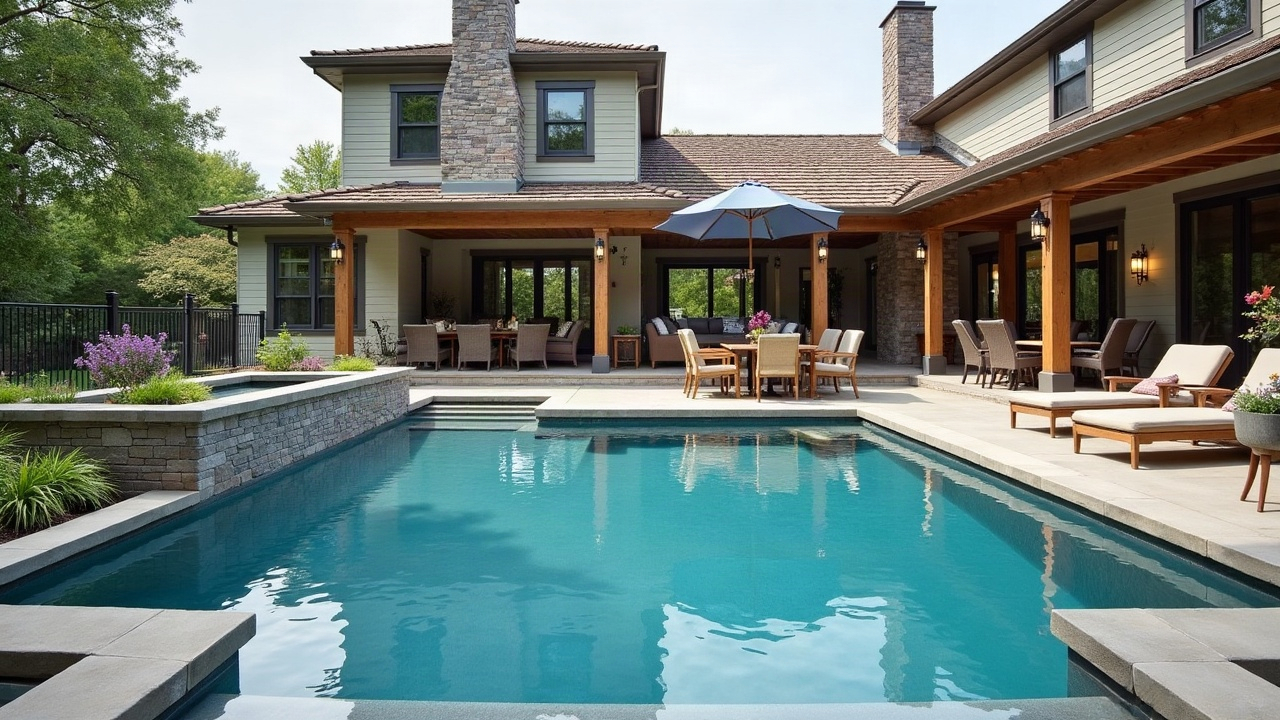
Successful pool companies reframe renovation expertise from technical specialty to foundational element that determines the entire outdoor living layout, circulation patterns, sun exposure management, and utility infrastructure that supports kitchens, lighting, and water features. When you explain that pool placement, deck elevation, and equipment location dictate where the outdoor kitchen can go, where shade structures make sense, and how the space flows for entertaining, you establish the pool design as the primary decision that coordinates everything else.
This positioning shift happens in specific language during the first conversation:
Instead of: "We can renovate your pool. Are you planning any landscaping work at the same time?"
Say: "Most clients who renovate their pool are reimagining the entire outdoor space. Before we talk about finishes and features, walk me through how you want to use the backyard—entertaining, family time, relaxation. The pool design needs to support that vision, and it determines where everything else can go."
Instead of: "Our estimate covers the pool work. You'll need to hire a landscaper separately for the deck and planting."
Say: "Your investment includes the pool renovation and the coordinated outdoor living elements—deck expansion, landscape integration, and any features like fire pits or outdoor kitchens. We bring in specialized partners for elements outside our self-perform scope, but you have one timeline, one contract, and one team accountable for the final result."
This language positions you as the project owner, not a specialty vendor. Homeowners don't want to learn about pool hydraulics or landscape drainage—they want someone who understands how all the pieces work together and takes responsibility for delivering the vision they have when they close their eyes and picture the finished space.
What Your Front Office Should Do Differently
Pool companies serious about winning integrated renovation projects need front office capability that qualifies complete outdoor living scope during the first conversation, schedules on-site consultations while homeowners are still forming preferences rather than comparing bids, captures detailed budget ranges and timeline expectations before competitors establish anchors, and follows up with portfolio examples that show your work as the centerpiece of comprehensive outdoor transformations. This level of qualification and positioning requires dedicated people focused on customer acquisition, not shop staff answering phones between other tasks.
The critical front office functions that change competitive outcomes:
Immediate answer and qualification: Calls answered in under 30 seconds, every time, with someone who understands pool renovation well enough to ask intelligent qualifying questions. "What's prompting the renovation now?" and "What else are you considering for the outdoor space?" reveal whether this is a $25,000 resurface job or a $90,000 backyard transformation.
Calendar control: Appointments booked during the first call, with specific time slots, not vague "I'll call you back to schedule" promises that give landscapers time to establish relationships. Confirmation texts with portfolio links sent immediately, reinforcing your positioning before the meeting.
Scope documentation: Detailed notes on every element the homeowner mentioned—outdoor kitchen interest, drainage problems, shade needs, entertaining frequency—so you arrive at the consultation already thinking about integrated solutions rather than asking basic discovery questions the front office should have captured.
Follow-up persistence: Systematic follow-up on estimates that doesn't feel like sales pressure but positions you as the interested partner checking in while landscapers are often terrible at post-proposal communication. Homeowners frequently choose the contractor who makes them feel valued during the decision process, not necessarily the lowest bid.
If you're wondering whether your current approach is costing you revenue, calculate your losses from missed calls and slow follow-up during peak renovation season.
The Pool Company Competitive Advantage Landscapers Can't Match
Pool companies possess structural competitive advantages in integrated renovation projects that landscapers cannot replicate: technical expertise in hydraulic systems that determines equipment placement and utility routing for the entire outdoor space, permitting knowledge specific to pool barriers and setbacks that affects overall layout, engineering relationships for structural elements like raised decks and retaining walls, and specialized insurance coverage that protects homeowners during complex excavation and utility work. When positioned correctly, these advantages establish you as the qualified project leader rather than a specialty subcontractor.
The expertise differential matters most in three specific areas:
Permitting and compliance: Pool renovations often trigger permit requirements that affect the entire project scope—barrier code compliance, setback regulations, electrical service upgrades, drainage management. Landscapers who position themselves as general contractors but lack pool-specific permitting experience often create expensive surprises mid-project when inspectors flag issues. Your ability to navigate these requirements from the initial design phase represents genuine risk reduction for homeowners.
Utility infrastructure: Pool equipment, outdoor kitchen appliances, landscape lighting, water features, and fire features all require electrical, gas, and sometimes water supply. Pool contractors who routinely coordinate utility rough-in understand load calculations, trenching logistics, and inspection sequencing. Landscapers typically subcontract this coordination, which creates communication gaps and timeline delays.
Structural integration: Raised pool decks, retaining walls adjacent to pool structures, and elevated spa installations require engineering that accounts for pool shell integrity, soil conditions around excavations, and drainage management. This expertise directly affects the layout options for integrated outdoor living spaces, making the pool designer the logical project coordinator rather than someone brought in to execute someone else's plan.
When you explain these advantages during initial conversations—not as technical superiority, but as risk management and timeline protection for the homeowner—you establish justified premium positioning that landscapers can't match without bringing you in anyway.
Common Mistakes That Hand Projects to Landscapers
Pool companies inadvertently surrender renovation projects by treating inquiry calls as appointment-setting tasks rather than project-framing conversations, failing to ask about the complete outdoor living vision before discussing pool specifications, providing estimates that isolate pool work instead of showing integrated project value, and assuming homeowners understand why pool expertise should drive overall project coordination. Each mistake allows landscapers to establish themselves as the strategic partner while positioning you as the technical specialist.
Mistake #1: Answering "what you do" with trade specificity. When homeowners ask what you do and you say "pool renovation and repair," you've positioned yourself as a specialist. When you say "we design outdoor living spaces centered around resort-quality pools," you've positioned yourself as a project coordinator. The framing in that first 10-second answer shapes the entire relationship.
Mistake #2: Providing pool-only estimates for multi-element projects. When a homeowner mentions they're considering new decking, landscape updates, and maybe an outdoor kitchen, and you provide an estimate that covers only pool work with a note that "landscaping is not included," you've told them to hire a general contractor—and it won't be you.
Mistake #3: Slow response to initial inquiries. Every hour of delay allows competitors to establish relationship ownership. The landscaper who calls back in 15 minutes and books an appointment for tomorrow has a fundamental advantage over your superior technical expertise delivered in a call-back six hours later.
Mistake #4: Competing on pool price within landscaper-controlled projects. Once a landscaper has positioned themselves as the primary contractor and solicited pool bids from multiple companies, you're competing on price for a defined scope. There's no relationship value, no opportunity to expand the project vision, and no margin protection. These are the lowest-profit, highest-hassle projects—and many pool companies build their calendar around them.
Pool Renovation Customer Acquisition That Actually Works
Effective pool renovation customer acquisition focuses on speed to meaningful conversation, scope expansion during qualification, positioning that establishes project ownership, and follow-up persistence that maintains relationship primacy through the decision process. Unlike new pool sales, where homeowners often take months to decide, renovation customers frequently commit within 7-14 days of initial research—which makes immediate response and strong first impression disproportionately important.
The acquisition strategy that consistently wins high-ticket renovation projects:
Multi-channel immediate response: Phone calls, web forms, SMS inquiries, and social media messages all receive responses within five minutes during extended business hours. Homeowners don't distinguish between communication channels—they notice whether you're available and responsive when they're ready to talk.
Portfolio positioning: Follow-up communications include portfolio examples of integrated outdoor living projects, not just pool renovation photos. When a homeowner sees your work as the centerpiece of comprehensive backyard transformations, they mentally position you as the coordinator, not a specialist.
Value-based qualification: Initial conversations focus on the outcomes the homeowner wants—more family time outdoors, better entertaining space, resort feel—rather than leading with technical questions about existing pool dimensions and equipment. Outcome framing allows you to position premium solutions and expanded scope naturally.
Competitive displacement follow-up: When homeowners are comparing multiple contractors, systematic follow-up that adds value—sending relevant portfolio examples, answering questions that came up during the site visit, providing clarity on timeline or permitting—keeps you positioned as the engaged partner while landscapers often go silent after submitting proposals.
For more detail on our approach to capturing and converting renovation leads, visit our services page to see how a complete front office team changes competitive dynamics.
Frequently Asked Questions
How quickly do I need to respond to pool renovation inquiries to stay competitive?
You need to respond within five minutes during peak inquiry hours (8 AM - 6 PM daily) to maintain competitive advantage. Research shows leads contacted within five minutes are 21 times more likely to convert than those contacted after 30 minutes, and landscapers who answer immediately are establishing project ownership during that window. If you can't personally answer that quickly while managing job sites, you need dedicated front office support to capture and qualify leads before competitors establish relationships.
Should pool contractors try to expand into landscaping services?
No—attempting to self-perform landscape work dilutes your core expertise and creates insurance, licensing, and capability issues. Instead, establish partnerships with quality landscape contractors who work as your subcontractors on integrated projects. You maintain project ownership and customer relationship, coordinate the complete scope, and bring in specialized partners for work outside your core expertise. This approach captures the project margin without distracting from your high-value pool renovation capabilities.
What's the average project value difference between pool-only and integrated outdoor living renovations?
Pool-only renovation projects typically range from $25,000-$55,000 depending on scope, while integrated outdoor living projects with pool renovation as the centerpiece average $65,000-$120,000. The difference includes expanded deck areas, outdoor kitchens, fire features, upgraded landscaping, and enhanced lighting—all elements that homeowners are planning anyway but often coordinate through landscapers because pool companies don't position themselves as project managers for the complete transformation.
How do I transition from pool specialist to outdoor living project coordinator?
The transition happens in how you describe your work, qualify initial inquiries, and structure proposals—not necessarily in what you physically install. Start asking about complete outdoor living vision during first conversations, partner with reliable landscape and hardscape contractors you can coordinate, create proposals that show integrated project scope with you as the primary contractor, and build a portfolio that shows your pool work as the centerpiece of comprehensive transformations. The shift is positioning and project structure, not necessarily expanding your installation capabilities.
What happens to profit margins when pool companies coordinate integrated projects?
Profit margins typically improve significantly because you're capturing project coordination value (10-18% margin on partnered work) in addition to your installation margin on pool work, controlling the customer relationship prevents price competition, and integrated projects reduce the cost-per-lead since each acquisition generates higher revenue. The administrative overhead increases modestly, but the margin improvement on $75,000 average projects versus $45,000 pool-only jobs more than covers coordination costs.
Can small pool companies compete with landscapers who have larger teams?
Yes—small pool companies often have advantages in responsiveness, owner involvement, and specialized expertise that large landscape firms can't match. The competitive gap isn't team size; it's lead response speed and project positioning. A two-person pool company with dedicated front office support that answers every call in 30 seconds and positions the owner as an outdoor living expert beats a 15-person landscape company that takes six hours to return calls. Homeowners choosing premium renovation contractors value expertise and accountability over company size.
Stop Letting Landscapers Control Your Market
Pool renovation competition has fundamentally shifted—you're no longer just competing with other pool builders on technical expertise and pricing. You're competing with landscapers on responsiveness, project framing, and relationship ownership during the critical first conversation. The companies winning high-ticket renovation work answer immediately, expand the conversation to complete outdoor living scope, and position themselves as project coordinators who bring in specialized partners rather than specialists waiting to be coordinated.
This isn't about becoming a landscape company. It's about recognizing that homeowners with $75,000 renovation budgets want one accountable partner who understands how all the pieces fit together—and your pool expertise positions you as that partner better than any landscaper, if you capture the relationship first.
The operational challenge is simple: you can't answer every call in 30 seconds while you're managing technical installations. You can't qualify complete project scope while you're troubleshooting equipment issues. And you can't follow up persistently on estimates when you're booked on job sites six days a week.
That's exactly what Book All Leads solves—a complete front office team that answers every call immediately, qualifies outdoor living scope before competitors establish project ownership, books appointments while homeowners are still forming preferences, and follows up systematically through the decision process. You focus on designing exceptional outdoor living spaces. Your front office team makes sure you're the one having those conversations, not responding to landscapers' RFPs.
John Edmonds is a native Texan and military combat veteran. He founded Book All Leads after identifying a critical gap in the service industry: business owners losing revenue not from lack of skill, but because no one was handling the calls, follow-ups, reviews, and payments while they were busy doing the work.
View LinkedIn Profile →