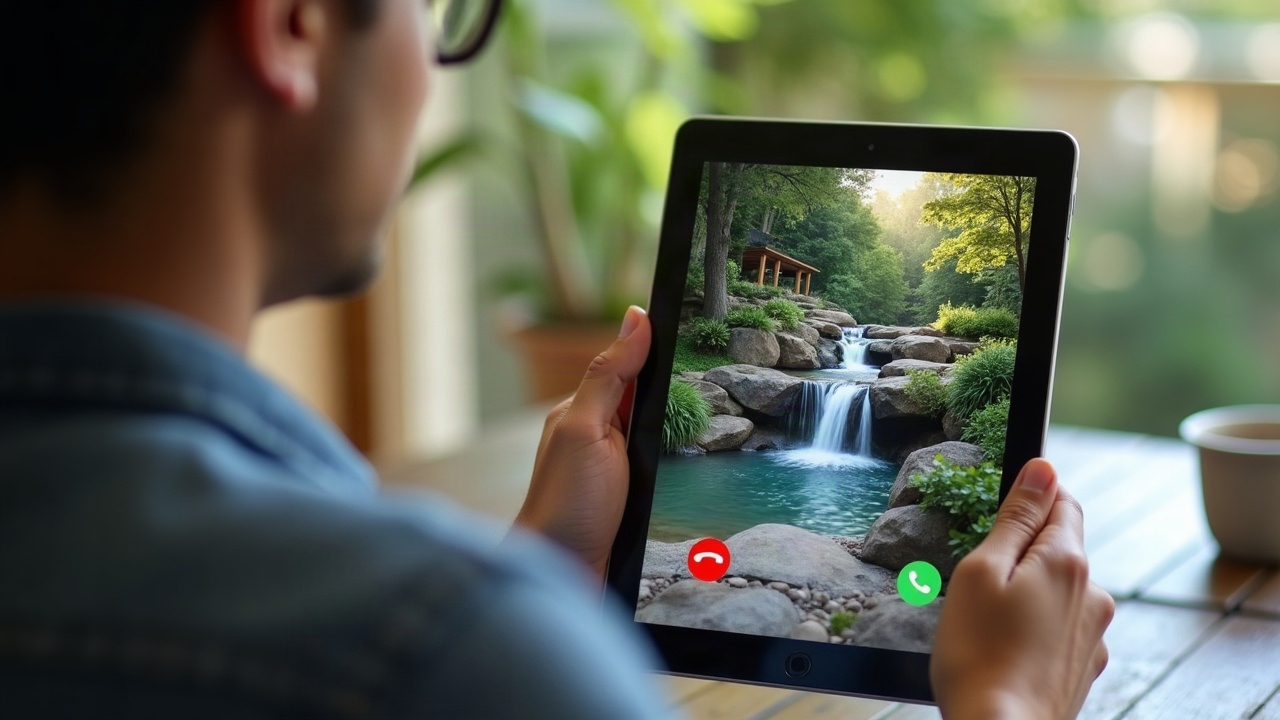
Pool companies lose water feature installation jobs to landscapers primarily because of slow response times and weak design presentation skills. When a homeowner calls about adding a waterfall or fountain to their pool, landscapers often answer within minutes, schedule a consultation same-day, and arrive with visual portfolios and design software. Pool contractors, already stretched thin with maintenance routes and renovation projects, may take hours or days to return the call—by which time the homeowner has already scheduled three other appointments and mentally moved on.
Why Are Pool Contractors Losing Water Feature Projects They Should Be Winning?
Pool contractors lose an estimated 40-60% of water feature leads to landscaping companies, even though pool pros have superior technical expertise in plumbing, circulation systems, and structural integration. The problem isn't competence—it's availability and presentation. When a homeowner decides they want a pool waterfall or fountain, they're emotionally ready to move forward. They call everyone: pool companies, landscapers, hardscape contractors, even general handymen who claim they can "figure it out."
The company that answers first, books fastest, and shows up with compelling visuals wins the job. Period.
Here's what most articles won't tell you: The homeowner doesn't know the difference between a landscape water feature and a pool-integrated system when they start researching. They see backyard waterfalls on Pinterest and Instagram—half are standalone landscape features, half are pool installations. They genuinely don't know which type of contractor to call, so they call everyone. If a landscaper answers immediately and sounds confident, the homeowner assumes they're talking to the right person. By the time the pool company calls back six hours later, the landscaper has already scheduled a design consultation for tomorrow morning.
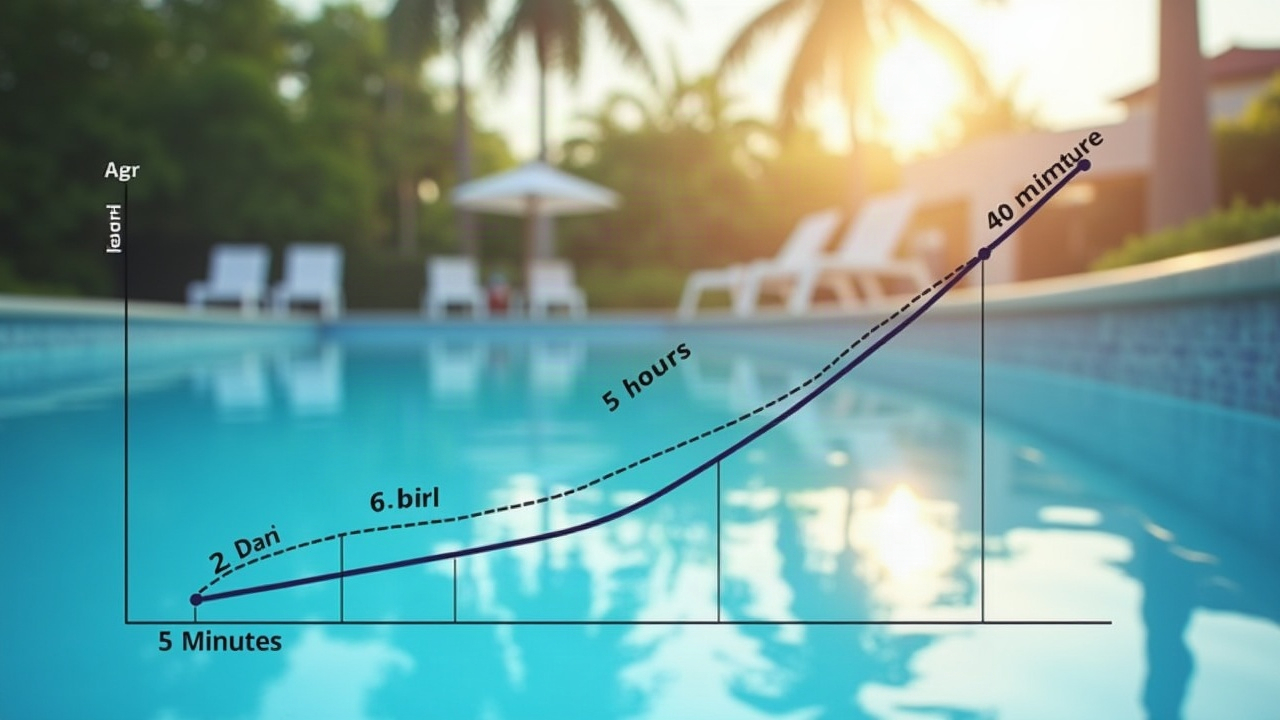
According to InsideSales.com, businesses that respond to leads within five minutes are 100 times more likely to connect and qualify the lead than those who wait 30 minutes or longer. For high-ticket discretionary purchases like pool water feature installation—projects ranging from $8,000 to $40,000—speed determines whether you even get a chance to compete.
What Makes Landscapers So Hard to Compete Against?
Landscapers win pool waterfall leads because they've optimized their sales process around design consultation. Most landscape companies answering these calls have someone dedicated to customer-facing work—an office manager, a sales coordinator, or the owner's spouse handling scheduling. They're not climbing out of a pool mid-service call to answer their phone. They book appointments within 24-48 hours, and they show up with photo books, tablets loaded with project galleries, and sometimes even 3D rendering software.
Pool contractors, by contrast, are typically owner-operators juggling installations, service routes, and emergency repairs. The phone rings while they're balancing pool chemistry, diagnosing a pump failure, or training a new technician. They see the missed call hours later, return it during their lunch break, and hear "we already scheduled someone for Thursday." The job is lost before the pool company even knew it was available.
Here's the revenue breakdown that makes this especially painful:
- Average pool waterfall installation: $12,000–$35,000 depending on complexity, materials, and integration with existing systems
- Average gross margin: 35-50%, significantly higher than routine maintenance or small repairs
- Upsell potential: LED lighting packages, additional spillways, upgraded stone veneers—often adding another $3,000–$8,000 per project
- Referral value: High-end water feature clients typically refer 2-3 neighbors within 12 months, according to project quality and visibility
Losing even two water feature projects per month costs a pool company $24,000–$70,000 in annual revenue. Over five years, that's a quarter-million dollars in lost income—enough to hire another crew, buy a second truck, or finally take that vacation you've been postponing for three years.
How Can Pool Companies Win Back Pool Fountain Installation Leads?
Winning back water feature work requires solving two problems simultaneously: answer speed and design presentation quality. You can't fix one without the other. Answering in three minutes but showing up unprepared with no visuals loses to the landscaper who answered in eight minutes but arrives with a portfolio. Conversely, having beautiful project photos doesn't matter if you never connect with the lead in the first place.
The pool companies winning these jobs have someone answering calls and booking appointments while they're out in the field. Not voicemail. Not a call-back three hours later. A real person who picks up on ring two, sounds knowledgeable, and gets the appointment scheduled before the homeowner hangs up. For companies with 2-15 employees, this usually means hiring dedicated front-office support—which sounds expensive until you calculate your losses from missed high-margin projects.
That's where having a full front office team changes the math entirely. Companies like Book All Leads provide six dedicated roles working around the clock—receptionists, appointment coordinators, payment collectors—without the overhead of hiring and managing in-house staff. No software to learn, no contracts locking you in. The team is live in five days and handling your calls while you're focused on the work that actually generates revenue. For pool contractors competing against landscapers on speed and professionalism, this levels the playing field immediately.
Do You Need Special Design Software to Compete?
No, but you need something visual to show during consultations. Landscapers aren't necessarily using expensive software—many are showing photos from past projects organized in a tablet or printed portfolio. The key is demonstrating "here's what we've built, here's what we can build for you." Pool contractors often assume the technical superiority of their work speaks for itself, but homeowners can't visualize plumbing integration or circulation engineering. They respond to before-and-after photos, videos of completed waterfalls running, and testimonials from previous clients.
Start simple: organize your best water feature projects into a photo gallery on your phone or tablet. Include close-ups of stonework, wide shots showing the feature in context, and nighttime photos with lighting. Add short captions explaining what made each project unique—"custom boulder placement to match existing landscape," "upgraded pump system for taller waterfall," "LED color-changing lights controlled by pool automation." This gives you talking points and demonstrates range.
If you want to level up, consider basic rendering tools like SketchUp or even photo-editing apps that let you mock up a waterfall placement on a photo of the customer's existing pool. Landscapers use these tricks constantly. You don't need architectural-grade CAD software—you need something that helps homeowners visualize the finished product.
What's the Real Cost of Missing These Calls?
The immediate cost is the lost project revenue—$12,000 to $35,000 per water feature installation. But the compounding cost runs much deeper. High-end water feature clients are often your best word-of-mouth marketers. These are homeowners investing significant money into their outdoor living space, usually in affluent neighborhoods where multiple neighbors have pools. When you complete a stunning waterfall installation, it becomes a conversation piece at every summer barbecue. Neighbors see it, ask about it, and request your contact information.
When a landscaper installs that feature instead, they capture that referral stream. Worse, if the landscaper doesn't properly integrate the feature with the pool's circulation system—a common mistake—you may get called to fix the resulting problems: inadequate flow rates, noisy pumps, leaks at connection points, algae growth behind the waterfall. Now you're doing warranty-repair work for someone else's installation, at your expense, while the landscaper who caused the problem has moved on to the next job.
According to Bain & Company, increasing customer retention rates by just 5% can increase profits by 25-95%, because repeat customers spend more per transaction and refer others at higher rates. Every missed water feature lead isn't just one lost sale—it's a lost relationship with a high-value customer who could have driven referrals for years.
Why Don't Pool Contractors Just Hire a Receptionist?
Many try. The challenge is finding someone reliable who understands pool terminology, can handle scheduling complexity, and stays long enough to justify the training investment. A full-time receptionist costs $35,000–$45,000 annually when you factor in salary, payroll taxes, benefits, and time spent training them on your services, pricing, and calendar management. For a small pool company doing $500,000–$1.5 million in annual revenue, that's a significant fixed cost—especially if the receptionist quits after eight months and you start over.
The other issue: coverage. A single receptionist can't answer calls during lunch breaks, sick days, vacations, or after-hours emergencies. Pool water feature leads don't only call between 9 AM and 5 PM Monday through Friday. Homeowners call evenings and weekends—exactly when they're out by the pool daydreaming about upgrades. If you're not answering, someone else is.
This is why many pool contractors end up back on their cell phone as the primary business line, which brings the cycle full circle: missing calls while working, returning them hours later, losing jobs to faster competitors. The solution isn't working harder—it's building a front office that works while you do.

What About Automated Scheduling Systems?
Automated systems can help with appointment reminders and calendar management, but they can't replace a conversation with a real person during that critical first call. When a homeowner is excited about adding a waterfall to their pool, they want to talk through ideas, ask questions about feasibility, and get a sense of who they'll be working with. Routing them to a voicemail or scheduling widget adds friction exactly when you need to build momentum.
The companies winning these jobs have real people answering calls, capturing the customer's vision, and booking consultations while the excitement is high. Automation has its place for follow-ups and confirmations, but not for that first impression. That's where the sale is won or lost.
How Do You Close Pool Waterfall Leads Once You Get the Appointment?
Getting the appointment is half the battle. Closing the sale requires demonstrating that you understand pool-integrated water features better than a landscaper who treats them as decorative add-ons. Walk the homeowner through the technical considerations: proper circulation sizing, electrical requirements for pumps and lighting, structural integration with the pool shell, winterization procedures if they're in a cold climate. These details matter enormously for long-term performance, and most landscapers either don't know them or gloss over them.
Show examples of problems you've seen from poorly installed water features: leaks at pipe connections, undersized pumps creating weak flow, waterfalls that look great for six months then develop algae problems because circulation wasn't planned correctly. This isn't scare tactics—it's education. You're positioning yourself as the expert who prevents expensive mistakes.
Then show your portfolio. Walk them through three to five past projects, explaining what you did differently in each case based on the client's goals and site conditions. Point out details: "We used this type of stone because it doesn't retain heat in summer," "We added a check valve here to prevent backflow during winter shutdown," "We positioned the spillway to create this specific sound profile—some clients want a gentle trickle, others want a dramatic rush." These specifics build confidence that you're the right choice.
Finally, be ready to provide a detailed written proposal within 24-48 hours. Landscapers often win on speed of proposal delivery—they'll send a one-page estimate the same day. You can compete by providing a more comprehensive document that breaks down exactly what's included: materials, labor, plumbing modifications, electrical work, permitting, timeline, payment schedule. The homeowner may have four quotes in hand, but yours should be the one that makes them feel most confident about what they're actually getting.
What Are the Most Common Mistakes Pool Companies Make with Water Feature Sales?
The biggest mistake is treating water feature inquiries like routine service calls. A homeowner calling about weekly maintenance will tolerate a callback later in the day. A homeowner excited about a $25,000 waterfall project expects a higher level of responsiveness. They're in buying mode right now, and if you're not available, they'll move to the next name on their list.
Second mistake: showing up to the consultation unprepared. No photos, no examples, just walking the site and talking through ideas verbally. This loses to any competitor who brings visuals. Homeowners need help envisioning the finished product—your job is to make that as easy as possible.
Third mistake: competing on price instead of value. Landscapers often underbid pool contractors on water features because they're not accounting for proper circulation integration, electrical work, or long-term maintenance considerations. Don't try to match their price—explain why your approach is worth more. Walk through what's included in your bid that isn't in theirs. Position yourself as the premium option that prevents problems, not the budget option racing to the bottom.
Fourth mistake: not following up persistently. Even if the homeowner says "we're getting a few quotes," you should be following up within three days, then again at one week, then two weeks. Most people take 2-4 weeks to make a decision on a major project like this. The company that stays in touch professionally—without being pushy—often wins simply by remaining top-of-mind when the homeowner is ready to move forward.
How Should Pool Companies Market Water Feature Services Specifically?
Most pool companies market generically: "pool service, repair, and renovation." Water features deserve dedicated marketing because they're high-margin specialty work that attracts a different customer. Create a separate page on your website focused entirely on pool water feature installation—waterfalls, fountains, spillways, grottos, rain curtains. Include a gallery of past projects, explanation of your process, and answers to common questions (cost ranges, timeline, permitting, maintenance).
Use before-and-after photos heavily on social media. Water features are inherently visual and share-worthy. A well-shot video of a completed waterfall with lighting, posted to Instagram and Facebook, will generate more engagement than any generic "we do great work" post. Tag the location (city or neighborhood, not the specific address), use relevant hashtags, and encourage satisfied customers to share your posts.
Consider offering free water feature consultations as a lead magnet. "Thinking about adding a waterfall or fountain to your pool? We'll come out, assess your space, and provide ideas—no obligation." This lowers the barrier to entry and gets you in front of homeowners who are curious but not yet committed. Once you're on-site showing examples and discussing possibilities, the close rate is significantly higher than trying to sell over the phone.
Partner with pool builders who don't offer water features as add-ons. Many pool installation companies focus on new construction and don't handle upgrades to existing pools. Position yourself as their go-to referral partner for clients who want to add features later. Offer a referral fee or reciprocal arrangement—they send you water feature leads, you send them new pool construction leads.
Frequently Asked Questions
How much does a pool waterfall installation typically cost?
Pool waterfall installations typically range from $8,000 to $40,000 depending on size, materials, complexity, and integration requirements. A basic prefabricated rock waterfall with standard plumbing runs $8,000-$15,000. Custom natural stone waterfalls with multiple spillways, LED lighting, and upgraded pump systems range $20,000-$40,000. Factors affecting cost include the height and width of the waterfall, type of stone or material, plumbing modifications needed, electrical work for pumps and lights, and whether structural changes to the pool shell are required.
Can a landscaper properly install a pool water feature?
Some experienced landscapers can install pool water features correctly, but many lack the technical expertise in pool plumbing and circulation systems. Common problems from landscaper-installed pool waterfalls include undersized pumps that create weak flow, improper pipe connections that leak over time, inadequate circulation that leads to algae growth, and electrical installations that don't meet pool code requirements. If hiring a landscaper, verify they have specific experience with pool-integrated water features and are willing to work with a licensed pool contractor or plumber to handle the circulation and electrical components.
How long does it take to install a pool waterfall?
Most pool waterfall installations take 3-7 days from start to finish, depending on complexity. Simple prefabricated waterfalls with existing plumbing in place can be completed in 2-3 days. Custom natural stone waterfalls requiring plumbing modifications, electrical work, and extensive rockwork typically take 5-7 days. Timeline factors include weather conditions, permitting requirements, delivery schedules for materials, and whether any pool structural modifications are needed. Installation during peak season (May-July) may involve longer lead times to schedule the work.
Do pool water features require a lot of maintenance?
Pool-integrated water features require minimal additional maintenance when properly installed. The waterfall circulates water through your existing pool filtration system, so there's no separate water to maintain. Additional maintenance includes occasional cleaning of the waterfall surface to prevent algae buildup (typically 2-3 times per season), checking and cleaning the dedicated waterfall pump if installed, and winterization in cold climates to prevent freeze damage to plumbing. Most pool owners spend 15-20 minutes per month on water feature-specific maintenance beyond their normal pool care routine.
Will adding a waterfall significantly increase my pool's operating costs?
Operating cost increases from adding a pool waterfall are typically modest. A dedicated waterfall pump running 8 hours daily costs approximately $15-$40 per month in electricity depending on pump size and local utility rates. Water loss from evaporation increases slightly due to surface agitation, adding roughly $10-$20 monthly in water costs in most climates. Total additional operating costs for a typical pool waterfall run $25-$60 per month, or $300-$720 annually. This can be reduced by running the waterfall only during pool use rather than continuously, cutting costs by 50-70%.
Should I add a waterfall to an existing pool or wait until a major renovation?
Adding a waterfall to an existing pool is completely feasible and doesn't require waiting for a full renovation. Most waterfalls can be integrated with your current pool using existing return lines or by adding a dedicated circulation line, depending on your setup. The main consideration is access—if your pool area has limited equipment access, installation may be more complex. However, the installation process is much less invasive than full pool renovations. If you're planning other major work like resurfacing or deck replacement within the next 1-2 years, coordinating the waterfall installation with that project can save on mobilization costs and minimize disruption.
Stop Losing High-Margin Water Feature Work to Faster Competitors
Pool water feature installation represents some of the most profitable work in the industry—projects that showcase your expertise, generate referrals, and build long-term client relationships. Losing these jobs to landscapers who simply answer their phone faster is a solvable problem. The solution isn't working longer hours or checking your phone obsessively—it's building a front office that captures leads while you focus on delivering exceptional work.
Every missed call is a potential $20,000 project going to a competitor. Every delayed callback is a homeowner scheduling three other appointments before you get a chance to compete. The companies winning in this space have made answering the phone and booking appointments as important as the technical work itself—because without the lead, your expertise never gets a chance to shine.
If you're tired of losing water feature projects you should be winning, it's time to solve the front-office problem permanently. Book All Leads provides a complete team—receptionists, schedulers, payment coordinators—live in five days with no contracts and no learning curve. Stop competing with one hand tied behind your back. Start capturing every opportunity that comes your way.
John Edmonds is a native Texan and military combat veteran. He founded Book All Leads after identifying a critical gap in the service industry: business owners losing revenue not from lack of skill, but because no one was handling the calls, follow-ups, reviews, and payments while they were busy doing the work.
View LinkedIn Profile →