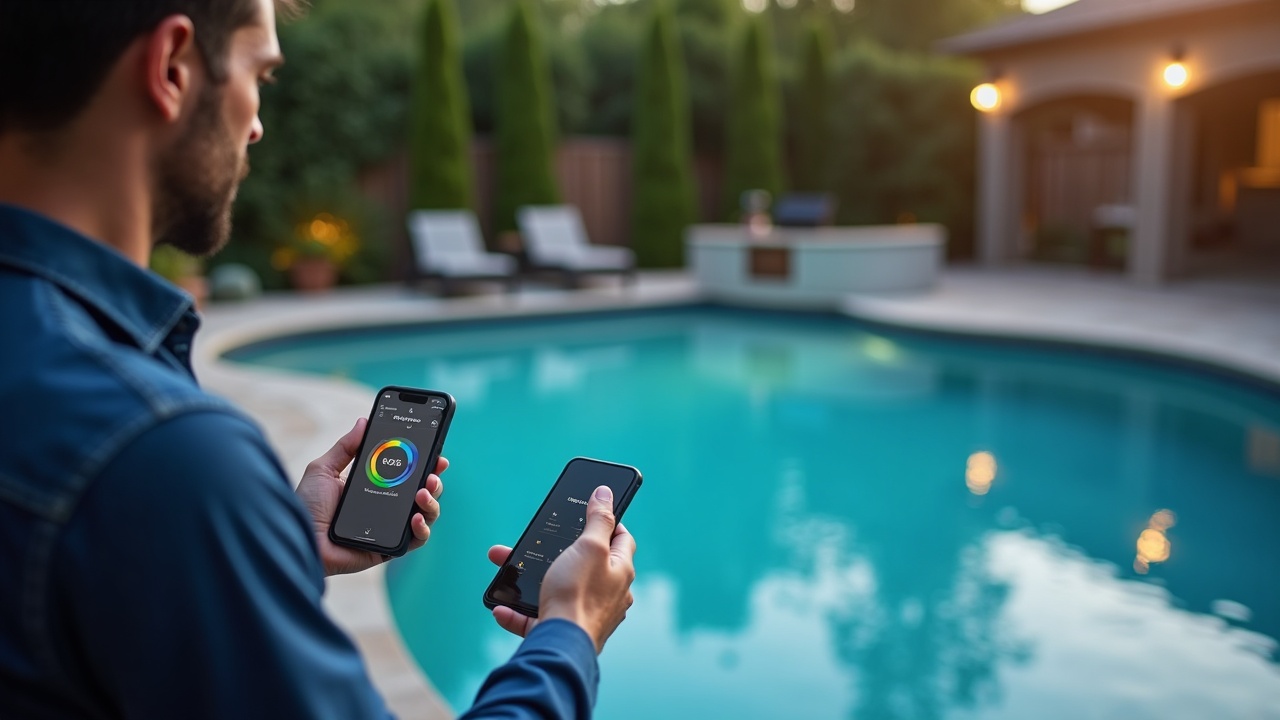
Swimming pool automation leads are lost most often during the first call — when homeowners reach voicemail instead of a person, wait hours for a callback, or speak with someone who can't explain retrofit ROI on the spot. The high-margin automation retrofit market demands immediate response and consultative selling from the first contact, but most pool companies miss calls during service routes or answer without the pricing context needed to book the consultation.
Why Swimming Pool Automation Leads Disappear Before You Ever Talk to Them
Homeowners researching pool automation upgrades typically call three to five companies within the same afternoon. According to InsideSales.com, leads contacted within five minutes are 21 times more likely to convert than those reached after 30 minutes. In the pool automation market, that window is even tighter — homeowners book consultations with whoever picks up first and sounds competent.
The problem isn't lack of demand. Retrofit automation jobs typically range from $2,500 to $8,000 in margin, and homeowners who've owned pools for five-plus years increasingly see automation as essential rather than luxury. The problem is operational: your best technician is mid-install when the call comes in, your office person left at 4pm, and the homeowner moves to the next name on their list.
Here's what most articles won't tell you: The homeowner calling about pool automation isn't just shopping price — they're shopping clarity. They want to know if their existing equipment works with new controls, whether they need full rewiring, and what the real payback looks like on chemical savings and pump efficiency. The company that answers these questions immediately, before the consultation, wins the job. The company that says "we'll have someone call you back to schedule" loses it to a competitor who picked up.
Most pool companies treat automation leads like service calls — collect a name, schedule a visit, send a quote. But automation buyers behave like remodeling clients. They're committing $4,000–$12,000 to a discretionary upgrade. They need education and reassurance before they'll block out time for an in-person estimate.
The Three Places Pool Automation Sales Die
Missed Calls During Service Hours
Your team is on-site from 8am to 5pm. Automation inquiries peak between 11am and 2pm — right when everyone's mid-route. Homeowners call during their lunch break. You see the missed call at 4:30pm. You call back at 8am the next day. They've already booked two consultations with companies who answered live.
Trade association data shows that 62% of pool service companies operate with fewer than five employees, and most don't staff a dedicated office role. That means every automation lead competes with service dispatch, chemical delivery questions, and equipment breakdown urgencies. High-margin retrofit inquiries get the same treatment as a $40 filter cleaning question.
Inability to Educate on the First Call
Even when you answer, the person picking up often can't speak to compatibility, cost ranges, or ROI. "Let me have our automation specialist call you back" is a polite way of losing the lead. The homeowner wanted answers now — that's why they called instead of filling out a web form.
The best automation salespeople know how to ask three qualifying questions in the first 90 seconds: How old is your existing equipment? Do you have a variable-speed pump? What's driving your interest — convenience, cost savings, or both? Those questions let you speak intelligently about realistic outcomes before the consultation. Without that context, you're just another contractor asking for an appointment.
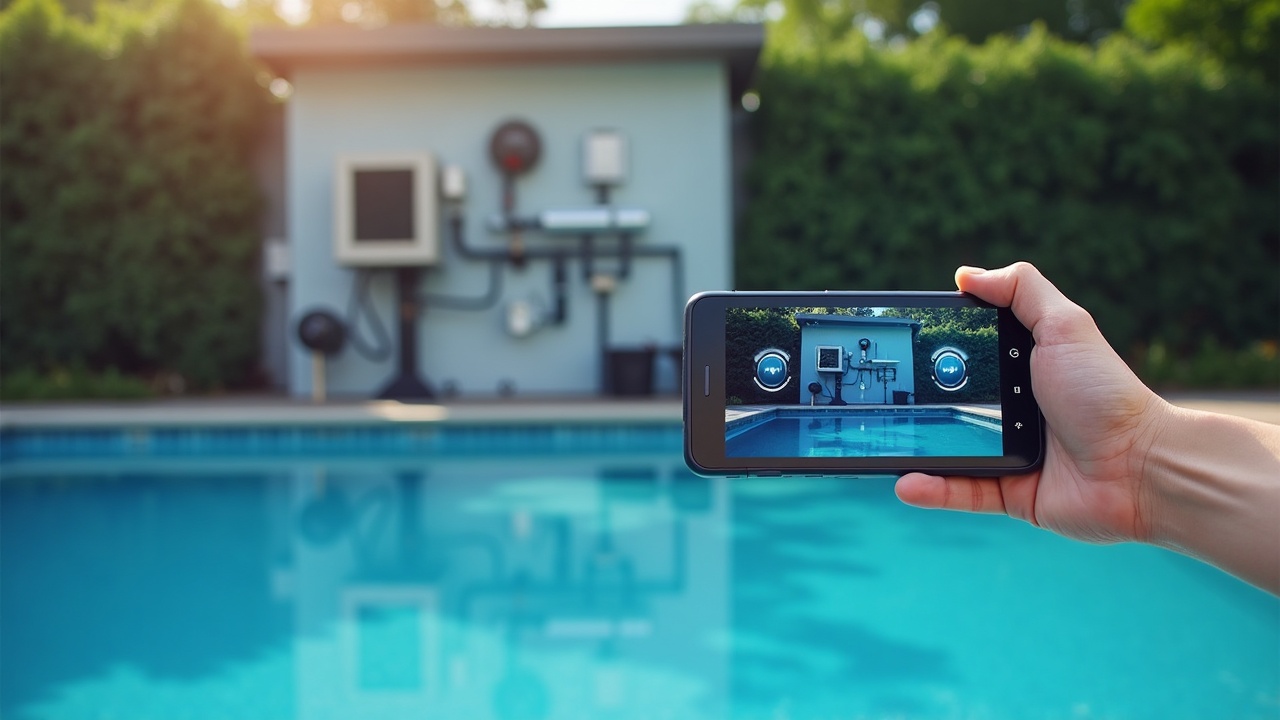
Stalled Follow-Up After the Initial Inquiry
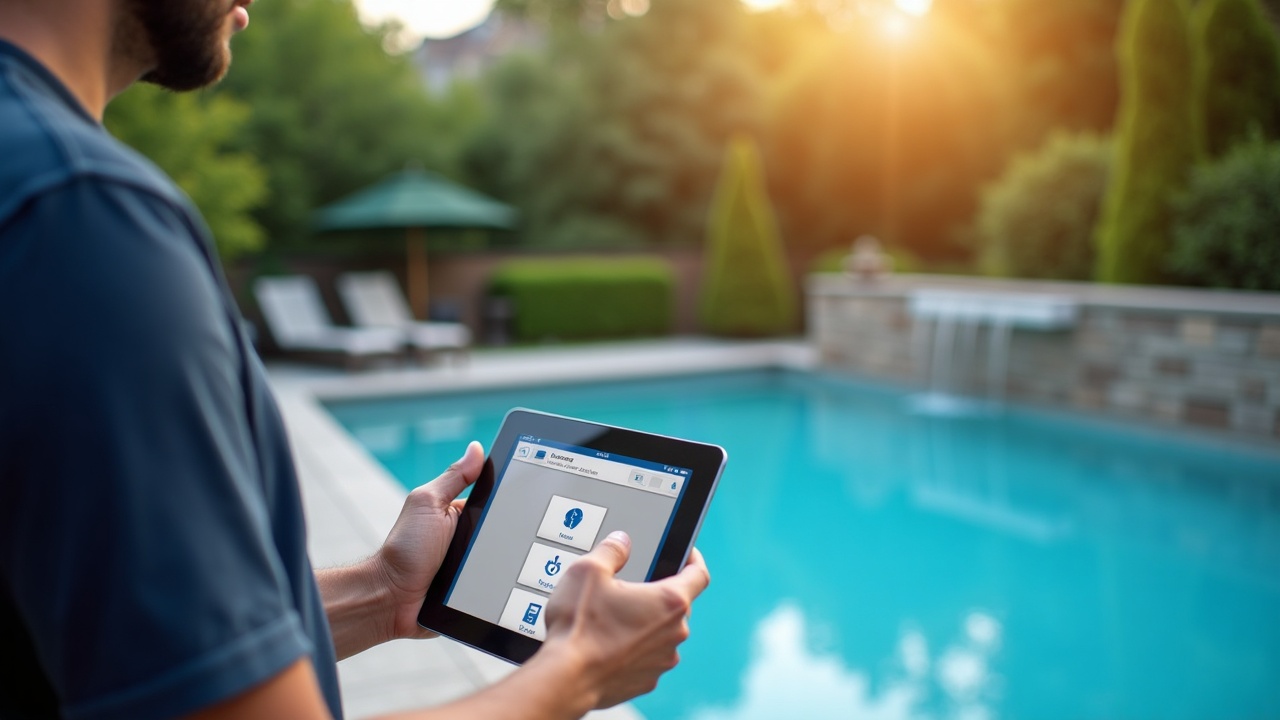
You answered the call. You scheduled the consultation. Then the homeowner doesn't hear from you for six days until the appointment reminder. Meanwhile, Competitor B sent a follow-up text two hours after the call with a link to case studies, called the day before to confirm and preview what to expect, and showed up with a tablet comparing three package options.
Swimming pool automation sales require more touch points than service work, but most companies apply service-call processes. The homeowner interprets silence as disinterest — or disorganization. Either way, they're more receptive to the competitor who stayed present.
What Makes Automation Leads Different from Service Calls
Automation retrofits sit at the intersection of service work and home improvement projects. Homeowners expect contractor-level professionalism — prompt communication, clear pricing structures, and project timelines — but they're calling pool companies who've historically operated on a service-call model.
Here's how the buying process differs:
- Longer consideration window: Homeowners research for weeks but make contact decisions in minutes. You need to win the consultation slot immediately, then nurture until the appointment.
- Multiple decision-makers: One spouse calls, but both need to be sold. The first conversation sets the narrative they'll use to discuss it together.
- Retrofit complexity questions: Every property is different. Homeowners fear unexpected costs from panel upgrades, wiring runs, or equipment incompatibility. The company that addresses these concerns upfront earns trust.
- ROI justification required: Unlike a broken pump, automation is elective. Homeowners need to hear the payback story — $40–$80/month in chemical and energy savings, plus the convenience value — before they'll commit $6,000.
Service calls are transactional. Automation sales are consultative. Your front office needs to operate accordingly, but most pool companies don't have a front office — they have whoever's near the phone.
How the Best Pool Companies Capture Automation Revenue
The pool companies winning automation work have separated lead handling from daily operations. They've recognized that a $6,500 average automation job deserves a different response protocol than a $120 service call — and they've built teams that can deliver education and urgency on every inbound inquiry.
That often means bringing in a dedicated front office team trained specifically on pool automation sales conversations. Book All Leads provides exactly that: a full front office team that answers every call live, qualifies automation leads with the right questions, educates callers on compatibility and ROI, and books consultations while the homeowner is still engaged. The team works 24/7, knows your service area and pricing structure, and follows up until the appointment happens. You stay focused on installs and service routes. The front office handles everything else, and you're live in five days.
The operational shift looks like this: inbound calls get answered by someone who knows the difference between Pentair IntelliCenter and Hayward OmniLogic, can speak to pump compatibility, and has permission to discuss price ranges and financing. That person books the consultation, sends a confirmation with educational content, and checks in two days before the appointment. The homeowner feels informed and prioritized. You show up to a pre-sold prospect instead of a cold lead.
What to Say in the First 60 Seconds of an Automation Inquiry
Most pool companies lose automation leads in the opening of the call by treating it like a dispatch conversation. "What's your address? What's the issue? We can have someone out Thursday." That works for a green pool. It fails for a $7,000 retrofit.
The first minute should accomplish three things: acknowledge what they want, demonstrate competence, and create urgency for the next step. Here's the structure that converts:
"Thanks for calling about pool automation. I'd love to help you figure out the best setup for your pool. Real quick — do you currently have a variable-speed pump, and roughly how old is your equipment? That'll help me point you in the right direction."
You've just done four things: confirmed you're the right company, signaled expertise, asked qualifying questions, and made it conversational. Now you can speak specifically to what's possible for their situation, what the investment range looks like, and what they'll gain in convenience and cost savings.
Contrast that with: "Okay, let me get your information and have our automation guy call you back." The homeowner now has to wait for a callback, repeat their questions, and wonder if you actually do much automation work. You've lost control of the sales process in the first 15 seconds.
The Real Cost of Losing Automation Leads
A missed automation lead isn't just one lost job — it's a lost customer relationship with multi-year value. Homeowners who invest in automation become long-term service clients, refer neighbors who see the equipment, and return for additional upgrades like heater replacements, lighting, and water features.
Let's quantify what's at stake. If you're getting 15 automation inquiries per month and converting 20% because most go to voicemail or get weak follow-up, that's three jobs at an average of $6,000 revenue and $3,800 margin. Improve answer rates and lead handling to convert 50%, and you've added four jobs per month — an extra $182,400 in annual revenue and $114,000 in margin. That's not marketing spend. That's operational execution on leads you're already generating.
You can calculate your losses based on your actual inquiry volume and current conversion rate. Most pool companies are surprised by how much revenue walks away simply because no one picked up the phone.
According to Bain & Company, increasing customer retention rates by just 5% increases profits by 25% to 95%. In the pool business, automation customers have significantly higher lifetime value than service-only clients. Losing them at first contact means losing years of compound revenue.
Automation Lead Sources and Why Speed Matters for Each
Swimming pool automation leads come from different channels, and each has its own urgency profile. Knowing where the lead originated tells you how fast you need to respond and how much education they've already received.
Google search leads: Homeowner typed "pool automation installation near me" and called the first responsive company. These are hot leads with zero brand loyalty. Whoever answers first and sounds knowledgeable wins. Response time expectation: under five minutes.
Social media ad leads: They clicked an ad promising "control your pool from your phone" and submitted a form or called a tracking number. They're interested but still early in research. They'll compare multiple companies. Response time expectation: under two hours, ideally under 30 minutes.
Referral leads: A neighbor or friend recommended you after seeing their automation setup. These convert at 3x the rate of cold leads, but only if you treat them well. They expect VIP responsiveness because they were told you're the best. Response time expectation: same day, ideally within the hour.
Website form fills: Homeowner found your site, read your content, and decided to reach out. These are warm leads who've pre-qualified you. But they also filled out forms on two other sites. The first company to call with a real human — not an autoresponder — earns the trust. Response time expectation: under 10 minutes during business hours.
Most pool companies treat all leads the same: return the call when convenient, leave a voicemail if they don't answer, maybe try once more tomorrow. That approach surrenders 60–70% of your automation opportunity to competitors who've built response speed into their operations.
Why Homeowners Choose One Pool Automation Installer Over Another
Price matters, but it's rarely the deciding factor in automation retrofits. Homeowners expect to pay $4,000–$10,000 depending on equipment and features. What separates the winner from the runner-up is trust, clarity, and responsiveness.
In exit interviews with homeowners who recently installed pool automation, three themes dominate:
Confidence in compatibility: "They knew immediately which system would work with my existing pump and heater. The other company said they'd need to check and get back to me." Homeowners fear bait-and-switch pricing after the site visit reveals complications. The company that addresses compatibility concerns upfront earns trust.
Clarity on ROI: "They broke down how much I'd save on chemicals and electricity, and how the payback works. It stopped feeling like a luxury purchase and started feeling like an investment." Pool automation has real operating cost benefits, but most installers don't quantify them. The company that does wins the budget conversation at home between spouses.
Responsiveness throughout the process: "They called back in 20 minutes, confirmed the appointment the day before, and followed up after the install to make sure I understood all the features. The other company took two days to return my first call." Professionalism signals quality. Homeowners assume your communication style predicts your installation quality.
None of these require being the cheapest. All of them require a front office that treats automation leads like the high-value opportunities they are. Most pool companies fail here not because they don't know how to install automation, but because they don't have the office infrastructure to sell it effectively.
The Installation Bottleneck That Kills Repeat Business
Even companies that capture the lead and win the job often fumble the post-installation relationship. The homeowner spent $7,000 on equipment they don't fully understand. They have questions about scheduling, app features, troubleshooting, and optimization. If they can't reach you, they become a one-time customer instead of a lifetime client and referral source.
The same front office problem that loses leads also loses referrals. Homeowners want to recommend you to neighbors who ask about their new setup, but they hesitate if they remember waiting days for callbacks. Word-of-mouth marketing in the pool automation space is extraordinarily valuable — these are $6,000 referrals, not $150 service calls — but it only works if your operational execution matches your installation quality.
A strong front office handles post-install questions, seasonal optimization reminders, and proactive check-ins that keep you top-of-mind when the homeowner's neighbor asks who did the work. That's how a single automation install turns into a pipeline of high-margin retrofit work.
Frequently Asked Questions
How much does a swimming pool automation retrofit typically cost?
Most pool automation retrofits range from $2,500 to $12,000 depending on existing equipment compatibility, panel upgrades required, and feature selection. Basic single-body automation with app control starts around $2,500 installed. Full-featured systems controlling pumps, heaters, lighting, cleaners, and water features with touchscreen and remote access typically run $6,000–$10,000. Homeowners often see $40–$80 per month in combined energy and chemical savings, creating a 3–5 year payback on mid-range installations.
Why do pool companies miss so many automation leads?
Pool service companies typically operate with small teams focused on daily service routes and emergency repairs. When automation inquiries come in during business hours, there's often no one available to answer who can speak knowledgeably about retrofit options, compatibility, and pricing. By the time they return the call, the homeowner has already scheduled consultations with competitors who answered immediately. Automation leads require immediate response and consultative conversation, but most pool companies only have the infrastructure for service dispatch.
What questions should I ask on the first automation inquiry call?
Start with equipment age and type: "How old is your current pool equipment, and do you have a variable-speed pump?" This tells you compatibility and upgrade requirements. Then ask motivation: "What's most important to you — convenience, cost savings, or both?" This reveals whether to emphasize app control and ease of use or energy efficiency and ROI. Finally, confirm decision timeline: "Are you looking to move forward this season, or planning for next year?" This separates hot leads from researchers and determines follow-up intensity.
How quickly do I need to respond to pool automation leads?
For automation retrofit inquiries, response time under five minutes dramatically outperforms delayed callbacks. Homeowners typically contact three to five companies in a single session and book consultations with the first one or two who answer and demonstrate competence. If you respond within an hour, you're still in consideration. If you respond the next day, you've likely lost the opportunity unless your reputation or referral source is exceptionally strong. Automation leads are time-sensitive in a way that routine service calls are not.
Should I discuss pricing on the first call or wait until the consultation?
Always provide a realistic range on the first call, typically $4,000–$8,000 for mid-range systems, with the caveat that the exact price depends on equipment compatibility and feature selection confirmed during the site visit. Homeowners calling about automation have already researched enough to know it's a multi-thousand-dollar investment. Refusing to discuss price makes you seem evasive and wastes everyone's time if they're not in the right budget range. Providing a range demonstrates transparency and pre-qualifies the lead so your consultation time is spent with serious buyers.
What's the best way to follow up after booking an automation consultation?
Send a confirmation text or email within two hours of the call that includes the appointment time, what to expect during the visit, and a brief resource (case study, video, or article) that educates on ROI or features. Follow up 48 hours before the appointment with a confirmation call or text that previews what you'll cover and invites any questions they've thought of since the first call. This keeps you present in their mind, demonstrates professionalism, and reduces no-shows. Most pool companies do none of this, so even basic follow-up differentiates you significantly.
Stop Losing the Retrofit Market to Better-Organized Competitors
Swimming pool automation leads represent some of the highest-margin work in the pool service business, but capturing that revenue requires operational infrastructure most pool companies don't have. You can't answer every call while you're mid-install. You can't provide consultative sales conversations when your team is focused on service dispatch. And you can't nurture leads through multi-day consideration cycles without a dedicated front office.
The companies winning this market have recognized that pool automation sales require a different model than service work — and they've built teams that deliver immediate response, education, and follow-through on every inquiry. That's how a seasonal pool service business evolves into a year-round retrofit and upgrade operation with predictable high-margin revenue.
If you're ready to stop losing automation leads to voicemail and start converting the retrofit opportunities you're already generating, Book All Leads provides the complete front office team to make it happen. You'll be live in five days with people answering every call, qualifying every lead, and booking every consultation. No software to learn, no contracts, just a team that works. Let's capture the revenue that's been walking away.
John Edmonds is a native Texan and military combat veteran. He founded Book All Leads after identifying a critical gap in the service industry: business owners losing revenue not from lack of skill, but because no one was handling the calls, follow-ups, reviews, and payments while they were busy doing the work.
View LinkedIn Profile →