Swimming pool chemical service businesses lose customers to big box stores because they treat chemicals as a transaction, not a relationship. Pool owners head to Home Depot or Leslie's Pool Supplies the moment they run out of chlorine because no one has built a recurring delivery schedule, no one calls to remind them about seasonal treatments, and no one makes buying from the pool company easier than driving to a retail store. The solution is converting chemical sales into scheduled service—recurring delivery, testing, and proactive outreach that locks in revenue before a customer ever thinks about going retail.
Why Pool Owners Choose Big Box Stores Over Professional Chemical Service
Pool owners default to retail stores because pool companies make them work too hard to stay customers. When a homeowner runs low on shock treatment on a Saturday afternoon, they call your business and get voicemail. They text and hear nothing back until Monday. Meanwhile, Leslie's is open until 8 PM with a cart full of chemicals ready to go. The store wins by default—not because of price, but because of availability and ease.
Here's what most articles won't tell you: The problem isn't that big box stores have better prices or selection. According to Bain & Company, acquiring a new customer costs 5-25 times more than retaining an existing one, yet most pool companies have no formal retention strategy for chemical customers. They sell chemicals reactively—when someone calls asking for them—instead of proactively scheduling deliveries before the customer runs out. That gap between purchases is where retail stores capture your revenue.
Pool owners aren't loyal to big box stores. They're loyal to convenience. If your business calls them two days before they need a refill, drops off chemicals on their schedule, and bills them automatically, the store becomes irrelevant. But most pool companies never build that system because they're too busy responding to emergency service calls to think about recurring chemical revenue.
- You don't answer the phone consistently, so customers assume you're unavailable
- You don't track customer chemical usage or send proactive reminders
- You treat chemical sales as a side product, not a core service line
- You don't make ordering easier than walking into a store
What Pool Chemical Delivery Actually Looks Like When It Works
A recurring chemical service program removes friction between you and your customer's money. Instead of waiting for them to remember to reorder, you track their usage, schedule deliveries based on pool size and season, and call them before they run out. The customer gets consistent water quality without thinking about it. You get predictable monthly revenue that doesn't depend on emergency repairs or new installations.
Here's a real example: A pool service company in Phoenix was doing $180,000 a year in chemical sales, but 60% of customers only bought once or twice before disappearing to retail stores. The owner started tracking purchase frequency and noticed customers typically needed refills every 4-6 weeks depending on pool size. He hired someone to call customers in week three of their cycle and schedule delivery for week four. Within six months, repeat customer rate jumped to 78%, and chemical revenue climbed to $290,000 annualized.
The difference wasn't the chemicals. It was the outreach. Someone called before the customer thought about buying elsewhere. That's the entire game.
How Recurring Delivery Beats Retail on Convenience
Retail stores win when the customer has to initiate the transaction. Recurring delivery wins when you initiate it first. A homeowner with a scheduled chemical delivery doesn't think about Leslie's because they never run out. You show up, test their water, adjust chemistry, and bill them—all without requiring them to lift a finger. That level of service commands premium pricing because it eliminates hassle.
The key is making the schedule automatic. Not "call us when you need more," but "we'll be there the second Thursday of every month unless you tell us otherwise." That single shift—from reactive to proactive—converts one-time buyers into recurring revenue streams.
Why Most Pool Companies Never Build a Retention Plan
Pool service companies are too busy fixing pumps and replastering to focus on chemical retention. You're on a job site when a customer calls about chemicals. You don't return the call until after 6 PM, and by then they've already gone to the store. This pattern repeats until the customer stops calling you altogether. It's not intentional neglect—you're just underwater operationally.
That's where a front office team changes the outcome. Book All Leads provides a full six-person team that answers every call, schedules chemical deliveries, tracks customer usage, and follows up proactively—without you having to manage it. The team books jobs, collects payments, and ensures no customer falls through the cracks because you were on another call. It's live in five days, no software for you to learn, and built specifically for owner-operators who need revenue locked in without adding administrative work.
The alternative is losing 40-60% of potential recurring revenue to retail stores because you don't have time to call customers back. That's not a skill issue. It's a capacity issue. And capacity is fixable.

How to Calculate What Retail Stores Are Actually Costing You
Most pool companies underestimate how much revenue walks out the door to retail. Take your total chemical sales from last year and divide by your total number of customers who bought chemicals at least once. That's your average customer value. Now multiply that by the number of customers who only bought once or twice—those are the ones you lost to retail. The gap between what they spent and what they would have spent with recurring delivery is your opportunity cost.
For a pool company with 200 chemical customers spending an average of $400/year, losing 60% to retail after one purchase means leaving $48,000 on the table annually. That's not speculative revenue—those customers already raised their hand and bought from you once. You just didn't build a process to keep them.
Want to run the numbers for your business? Calculate your losses based on your current customer count and average order size. The results are usually eye-opening.
The Lifetime Value of a Chemical Service Customer
A pool owner who buys chemicals from you once is worth $150-300 in one-time revenue. A customer on a recurring delivery schedule is worth $1,200-2,400 over three years, according to typical pool service retention data. That 4-8x multiplier is why building a chemical service program isn't a nice-to-have—it's the highest-ROI move most pool companies never make.
The math gets better when you factor in referrals. Customers on recurring service programs refer other pool owners at nearly double the rate of one-time buyers, because they experience consistent value. That turns chemical service into a customer acquisition engine, not just a revenue stream.
What a Professional Pool Chemical Service Program Includes
A chemical service program that actually keeps customers includes three components: scheduled delivery, water testing, and proactive communication. The delivery part is obvious—you bring chemicals to them on a set schedule. The testing part differentiates you from retail—stores sell products, you sell outcomes (balanced water, fewer algae blooms, longer equipment life). The communication part is what prevents customers from ghosting you between deliveries.
Here's what that looks like operationally:
- Track each customer's pool size, equipment, and typical chemical usage
- Schedule deliveries based on their consumption pattern (usually every 4-6 weeks)
- Call or text them 3-5 days before delivery to confirm timing and ask if they've noticed any water quality issues
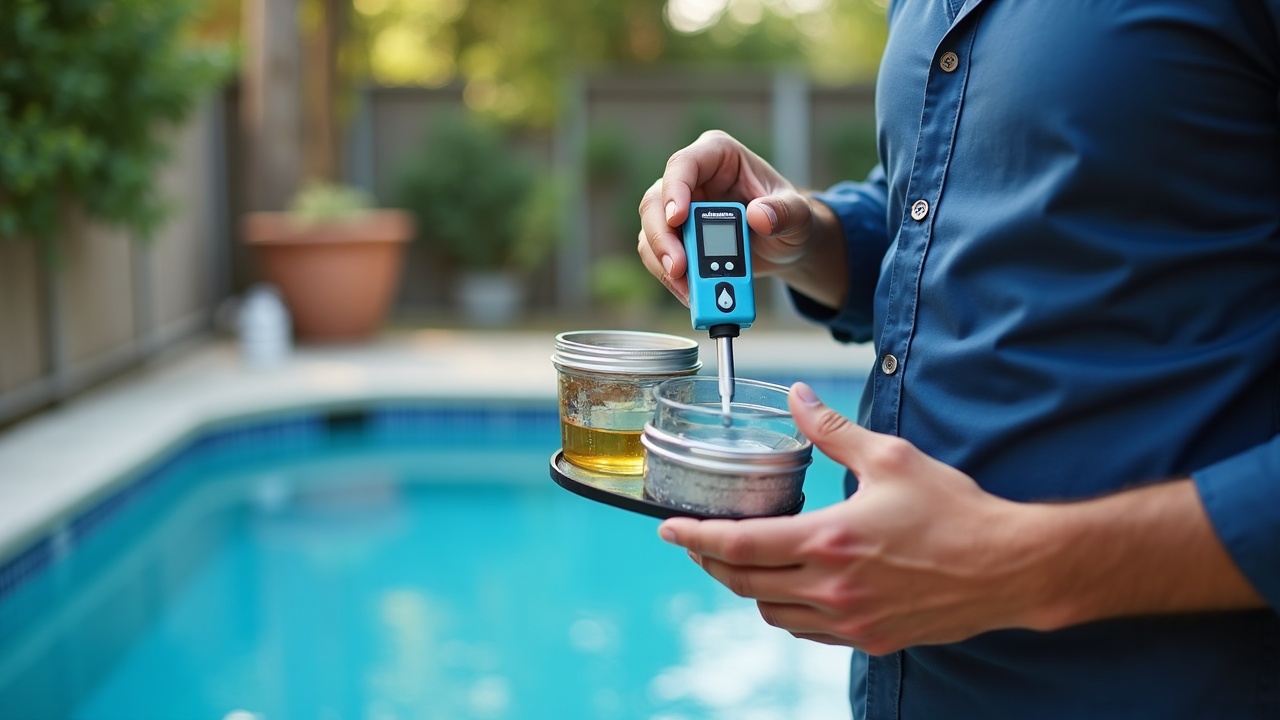
- Test water on-site during delivery and adjust treatment plan accordingly
- Bill automatically so they never have to think about payment
This isn't complicated, but it requires someone to manage the schedule and make the calls. That's where most companies fail—not because they don't know what to do, but because no one has time to do it consistently.
Why Water Testing Justifies Premium Pricing
Big box stores sell chemicals. You sell properly balanced water. That distinction lets you charge 20-30% more than retail while keeping customers loyal. A homeowner can buy chlorine anywhere, but they can't diagnose why their pool turned green after a rainstorm or why their pH won't stabilize. When chemical delivery includes expert testing and adjustment, you're no longer competing with Leslie's—you're competing with the hassle of managing pool chemistry themselves. And most people will pay to avoid that hassle.
The key is framing delivery as service, not product fulfillment. "We deliver chemicals" loses to retail pricing. "We keep your water balanced year-round" wins on value.
How to Convert One-Time Chemical Buyers Into Recurring Customers
Converting one-time buyers starts with how you handle the first sale. When someone calls asking for chlorine, you have two options: sell them a bucket and hope they come back, or sell them a bucket and immediately schedule their next delivery. The second approach captures 60-70% of customers on a recurring plan if you ask at the right moment—right after they've agreed to the first purchase, before they hang up.
The script is simple: "Based on your pool size, you'll need another delivery in about five weeks. I can put you on our regular schedule so you never run low—would the first Tuesday or third Thursday work better for you?" You're not asking if they want recurring service. You're asking which day works best. That reframe alone increases conversion rates dramatically because it positions recurring delivery as the default, not an upsell.
The second piece is follow-up. If they decline the schedule during the first call, someone needs to reach out again three weeks later. Most customers who say no initially are just testing the service—they'll commit after the first delivery if you make it effortless. But that requires tracking who needs follow-up and actually making the call. If you're already drowning in operational tasks, that call never happens, and the customer drifts to retail.
Why Phone Responsiveness Determines Chemical Service Retention
Pool service retention comes down to one metric: how fast you answer the phone. According to InsideSales.com, lead response times over five minutes reduce conversion rates by 400%. The same principle applies to existing customers. When a pool owner calls about chemicals and gets voicemail, they make a split-second decision: wait for a callback or solve the problem themselves. Most choose the latter.
That's not a failure of loyalty. It's a failure of availability. The customer wanted to buy from you—they called you first. You just weren't there to take their money. Retail stores win by default because they answer every time.
This is the hidden cost of running a lean operation. You're on a job site, you can't answer, and by the time you call back two hours later, the customer has already moved on. Multiply that by 50-100 instances per year, and you've lost $30,000-60,000 in chemical revenue that should have been yours. The solution isn't working harder—it's making sure someone picks up the phone every single time.
What Happens When Every Call Gets Answered
When every call gets answered by a real person who can schedule deliveries, take orders, and answer basic questions, your close rate on chemical sales jumps to 80-90%. Customers stop going to retail stores because you're easier to reach than Leslie's customer service line. That shift alone—going from 50% missed calls to zero—can double your chemical revenue without changing pricing or adding services.
This is why owner-operators who want to scale recurring chemical service eventually need a front office team. Not because they don't know how to answer the phone, but because they can't be in two places at once. The phone rings while they're balancing pool chemistry or meeting with a new customer, and the missed call becomes a lost sale. Over time, those missed calls compound into a reputation for being hard to reach, and customers stop calling altogether.
How Pool Service Software Fails Without People Behind It
Most pool companies buy scheduling software hoping it will automate chemical service retention. It doesn't. Software can send automated reminders, but it can't answer questions, handle objections, or adjust delivery schedules when a customer calls with a last-minute change. Customers get a text reminder, have a question, call your business, get voicemail, and give up. The software created the lead, but you lost the sale because no one was there to close it.
The problem isn't the software—it's the assumption that technology replaces human responsiveness. Pool owners want to talk to a person who understands their situation and can solve their problem right then. Software can track delivery schedules. It can't build relationships or recover at-risk customers. That requires people.
The most effective retention programs combine tools (scheduling, reminders, usage tracking) with a live team that answers calls, follows up personally, and adjusts service based on customer feedback. The tools make the team more efficient. The team makes the tools actually work. Without both, you're just sending reminders into the void.
Frequently Asked Questions About Pool Chemical Service
How much should I charge for recurring pool chemical delivery?
Price recurring chemical delivery at 20-30% above retail store pricing, justified by convenience, water testing, and expert recommendations. For a typical residential pool, that's $60-120 per monthly visit depending on pool size and chemical needs. Customers pay the premium because you eliminate trips to the store, diagnose water issues, and deliver on their schedule. If you're only charging retail-level pricing, you're leaving money on the table—your service includes expertise and convenience that stores don't provide.
What's the best schedule for recurring pool chemical service?
Most residential pools need chemical delivery every 4-6 weeks during swim season and every 8-10 weeks in winter (in mild climates). The exact schedule depends on pool size, usage, and environmental factors like tree cover or heavy rain. Start with monthly delivery and adjust based on actual consumption—some customers need refills every three weeks, others can stretch to seven. The key is making the schedule predictable and automatic so the customer never has to remember to reorder.
How do I get one-time chemical buyers to commit to recurring service?
Ask them to commit during the first sale, before they've experienced the hassle of running out again. The script: "I'll schedule your next delivery for five weeks from now so you don't run low—does Tuesday or Thursday work better?" Position recurring delivery as the default option, not an upsell. If they decline initially, follow up three weeks later when they're halfway through their supply. Most customers convert after the second or third delivery once they realize how much easier it is than going to the store.
What's the biggest reason pool companies lose chemical customers?
Missed calls and slow response times. Pool owners call when they need chemicals now, get voicemail, and drive to Leslie's or Home Depot rather than wait for a callback. This happens 50-80 times per year for most pool companies, and each missed call represents $150-300 in lost chemical sales. Over a year, that's $15,000-40,000 in revenue walking out the door because no one picked up the phone. The fix is ensuring someone answers every call, every time—either by hiring front office staff or using a team that handles calls for you.
Can small pool companies compete with big box store chemical pricing?
You don't compete on price—you compete on service and convenience. Big box stores will always have lower per-unit chemical costs because of volume purchasing. Your advantage is delivering to their door, testing water quality, and diagnosing problems stores can't solve. Position your service as "we keep your pool balanced" rather than "we sell chlorine." That reframe justifies premium pricing because you're solving a bigger problem than product availability. Customers who only care about price will always go retail—but most pool owners will pay 20-30% more to avoid the hassle of diagnosing chemistry issues themselves.
How long does it take to build a profitable recurring chemical service program?
Most pool companies see measurable results in 3-6 months if they commit to proactive outreach and consistent follow-up. The first 90 days are spent converting existing one-time buyers into scheduled customers. After that, retention rates stabilize and revenue becomes predictable. The key is tracking customer usage, scheduling deliveries before they run out, and ensuring someone answers the phone every time a customer calls. Companies that do this consistently typically add $40,000-80,000 in annual chemical revenue within the first year, depending on customer base size.
Turning Chemical Sales Into Locked-In Recurring Revenue
Swimming pool chemical service becomes recurring revenue when you stop treating chemicals as a product and start treating them as a service. That means scheduled deliveries, proactive outreach, water testing that justifies premium pricing, and—most importantly—answering the phone every single time a customer calls. Big box stores win by default when you're unavailable. They lose when you're easier to reach and more valuable to work with.
The gap between one-time buyers and loyal recurring customers isn't chemistry knowledge or better products. It's operational consistency—calling customers before they run out, answering when they reach out, and making buying from you easier than driving to a store. That's the entire competitive advantage.
If you're losing chemical customers to retail and don't have time to build a retention program yourself, Book All Leads provides the front office team you need to lock in recurring revenue. We answer every call, schedule deliveries, follow up proactively, and ensure no customer slips through because you were on another job. It's the difference between hoping customers come back and guaranteeing they do.
John Edmonds is a native Texan and military combat veteran. He founded Book All Leads after identifying a critical gap in the service industry: business owners losing revenue not from lack of skill, but because no one was handling the calls, follow-ups, reviews, and payments while they were busy doing the work.
View LinkedIn Profile →