
Swimming pool customer attrition spikes every fall when maintenance schedules slow down or stop entirely. The problem isn't the season—it's the silence. When pool companies go quiet from October through March, customers assume the relationship is over, shop around during the off-season, and call a different company when spring arrives. The result: you lose 15-30% of your customer base every year, even when they were happy with your service.
Why Pool Companies Bleed Customers Every Winter
Most pool service companies lose customers during winter because they treat seasonal service changes like an ending instead of a transition. When weekly cleanings stop in October, communication stops too. No follow-up calls. No winter service offers. No reminders that you still exist. By the time spring rolls around, your customers have forgotten your name, seen three competitors' ads, and received two door hangers from companies offering "new customer" discounts.
According to Bain & Company, acquiring a new customer costs 5-25 times more than retaining an existing one. Yet pool service businesses treat their off-season like a relationship pause button, then act surprised when customers don't unpause in March.
Here's what most articles won't tell you: The customer attrition problem in pool maintenance isn't about service quality or pricing. It's about presence. The company that stays in touch during the dormant months is the company that gets the call when it's time to reopen the pool. You're not competing on who did the best job last summer—you're competing on who remembered to call in February.
The Three Silence Triggers That Cost You Customers
When communication drops off, three specific patterns emerge that push customers toward competitors:
- The service-end assumption: When you stop showing up weekly, customers interpret it as the end of the relationship unless you explicitly frame it otherwise. They don't assume you'll be back—they assume they need to find someone new.
- The competitor fill-in: Winter is when aggressive competitors run their heaviest marketing. Every mailer, Facebook ad, and door hanger your customer sees plants doubt about whether you're still their pool company.
- The problem-without-a-provider moment: When a pump fails in January or they have a question about winterization, customers call whoever answers first. If that's not you, you've lost them.
What Drives Swimming Pool Customer Attrition During Seasonal Transitions
The mechanics of seasonal churn are predictable. In September or October, you have a conversation with each customer about reducing or pausing service. Most pool companies frame this as "we'll see you in the spring" and consider it handled. But between that last conversation and the spring reopen call, 90-180 days pass with zero contact. During that gap, four revenue-killing scenarios unfold.
First, customers experience equipment issues or have winterization questions, try to call you, and can't get through because you're short-staffed or focused on the few remaining active accounts. They call another company for help. That company earns their trust and gets the spring contract.
Second, customers receive quotes from competitors who knock doors in February offering spring opening packages. With no recent contact from you, they don't feel disloyal considering the offer. They book it. By the time you call to schedule their spring opening, they've already committed elsewhere.
Third, life happens—they move, sell the house, or decide to DIY their pool maintenance after watching YouTube videos all winter. Without regular check-ins, you don't know their circumstances changed until you try to rebook them and discover they're gone.
Fourth, and most insidious: customers simply forget the specifics of why they hired you. They remember having "a pool guy," but the details blur. When competitors offer a lower spring opening rate, there's no emotional loyalty or recalled value to overcome the price difference.
The pattern is so consistent that you can calculate your losses by multiplying your customer count by your typical pool service retention fall rate. If you started last season with 200 customers and you're not actively managing winter communication, expect to lose 30-50 of them before summer.
How to Stop Losing Pool Customers When the Season Changes
Preventing customer attrition requires turning seasonal transitions into relationship deepening opportunities rather than relationship pauses. The fix isn't complicated, but it requires disciplined execution during the months when you're least focused on customer communication. Here's what actually works.
Start by reframing the fall transition conversation. Instead of "we'll pause service and see you in spring," position it as "we're moving to your winter service schedule." Even if that schedule includes no regular visits, the language matters. You're not ending anything—you're adjusting.
Many pool service companies struggle with this because when call volume increases during transitions, the owner is underwater handling equipment repairs, closing pools, and managing the crew. Missed calls during September and October directly predict spring attrition. Book All Leads handles this exact scenario for pool companies—a dedicated front office team answers every call, books your fall services, and manages the customer communication that keeps relationships alive during the quiet months. The team goes live in five days, no software for you to learn, no contracts locking you in.
The Winter Touch Point Calendar That Keeps Customers Engaged
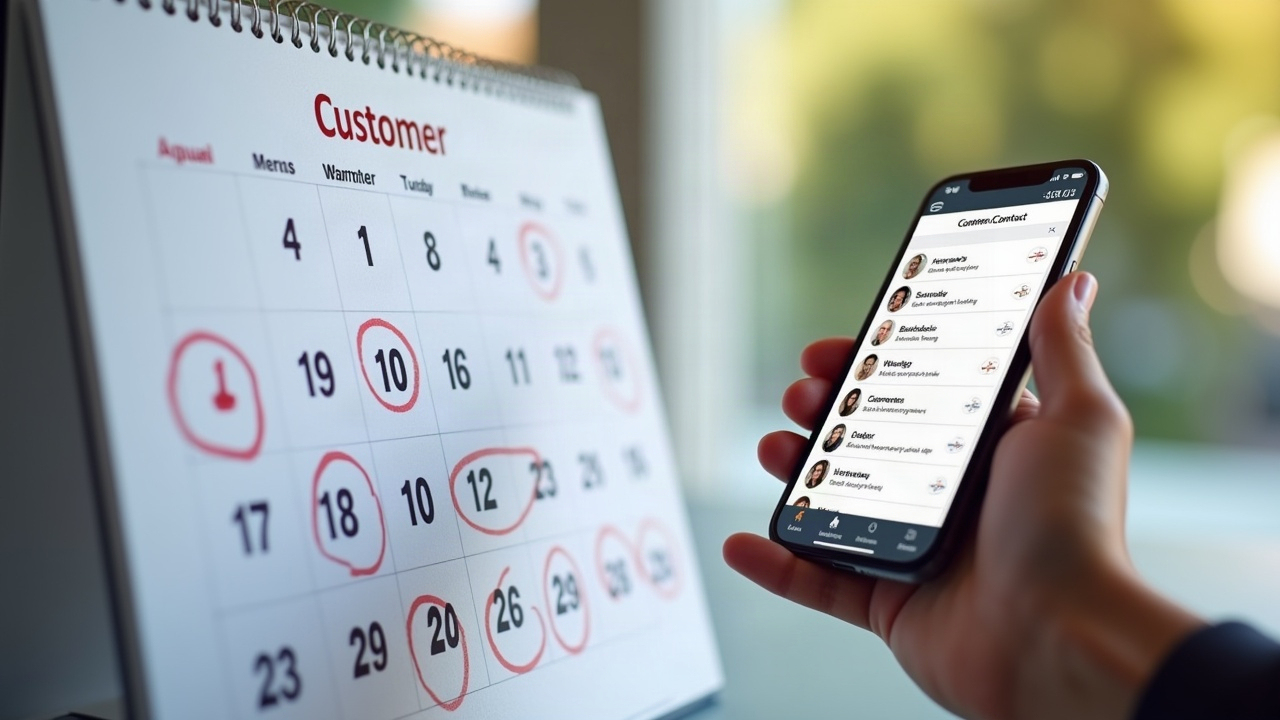
Between your last fall visit and first spring contact, you need four planned touchpoints. These aren't sales calls—they're value-adds that remind customers you exist and reinforce why they chose you.
November touchpoint: Call every customer to confirm their winterization was completed correctly and ask if they've noticed any issues since closing. This catches problems early and positions you as the expert who follows up. Even a brief conversation cements your role as their pool company.
December/January touchpoint: Send a winter maintenance guide—tips for monitoring equipment, what to watch for during freezes, when to call for help. Include your phone number prominently. This isn't a newsletter; it's a one-page resource they'll keep near the pool equipment.
February touchpoint: Proactive spring opening scheduling. Call to book their opening appointment before they think to call you. Offer early booking discounts if it makes sense, but the main goal is securing the calendar slot while you're top of mind.
March touchpoint: Confirmation and upsell. Confirm their opening appointment and present any additional services—equipment upgrades, repair work you noticed last season, extended maintenance contracts for the coming year.
What Successful Pool Companies Do Differently With Year-Round Customers
The pool service businesses with the lowest pool maintenance churn rate don't treat their service as seasonal—they treat it as year-round with seasonal variations. This mindset shift changes everything about how they structure customer relationships.
They offer winter services most competitors ignore: monthly equipment checks, freeze protection, off-season repairs, and water chemistry consultations for customers who keep their pools heated. Even if only 20% of customers buy these services, offering them keeps the relationship active for everyone.
They bundle services into annual contracts that include both summer maintenance and winter closing/opening. Customers pay monthly year-round, which keeps them mentally committed to you as their provider even when you're not showing up weekly. The billing continuity alone reduces year-round pool customers attrition by 40-60%.
Research from Forrester Research shows that consistent communication increases customer retention rates by up to 27%, even when the communication isn't tied to active service delivery. For pool companies, this translates directly: the business that calls in January wins the spring contract.
Real Example: How One Pool Company Cut Attrition by 43%
A residential pool service company in Arizona was losing roughly 35% of their maintenance customers every year. They averaged 180 active customers during summer, dropped to about 120 by the following spring, then spent April and May scrambling to replace the lost revenue with expensive advertising.
The owner knew customers were happy with the service—reviews were solid, complaints were rare. But every fall, when weekly visits ended, communication ended too. When they analyzed where lost customers went, they found most had simply hired whoever called them first in February or March.
They implemented three changes. First, they restructured their service packages to include winter check-ins as standard—one visit in November, one in January, even if the pool was covered. Second, they started calling every customer in mid-February to schedule spring openings before competitors started their campaigns. Third, they hired a part-time person dedicated solely to customer follow-up during off-peak months.
The result: their customer retention rate climbed from 65% to 92% over two seasons. They started each spring with 165 of their 180 summer customers already scheduled, which meant they could focus new customer acquisition on growth, not replacement. Revenue increased 31% year-over-year, almost entirely from eliminated attrition.
Why Most Pool Service Retention Strategies Fail During Fall
Pool companies try to solve retention with discounts, loyalty programs, or better service quality. These help, but they miss the core issue: customers don't leave because they're unhappy—they leave because they forget you exist or assume you're not available when they need something.
Discounts don't work because price isn't the problem. A customer who was happy paying $150/month in July doesn't suddenly decide that's too expensive in March. They switch because a competitor made them an offer while you were silent, and they had no recent positive experience with you to compare it against.
Loyalty programs don't work for the same reason. Points and rewards matter when customers are actively using your service and thinking about you regularly. During a four-month silence, the loyalty program doesn't cross their mind.
Better service quality during the active season helps retention, but it doesn't extend its protection through months of zero contact. A customer who loved your work in August can't recall the specific reasons why by March, especially after seeing three competitors advertise "the same service" at lower prices.
The retention strategy that actually works is relentless, valuable communication during the months you're not actively servicing the account. You need a reason to call, a reason for them to be glad you called, and a system that ensures those calls happen even when you're busy with other things.

How to Build Winter Service Packages That Keep Revenue Flowing
Creating legitimate winter services accomplishes two goals: it keeps cash flowing during slow months, and it keeps you in regular contact with customers who would otherwise ghost you by spring. The services don't need to be extensive—they just need to provide real value and require showing up.
Equipment winterization and spring opening are obvious starting points, but if those are the only two touchpoints, you still have a three-month gap. Add mid-winter equipment inspections: checking that covers are secure, pumps are protected, no freeze damage has occurred. Charge $40-60 for a 20-minute visit. Most customers won't buy it, but offering it positions you as available and engaged.
For customers with heated pools or those in warmer climates who use pools year-round, reduced-frequency maintenance packages keep the relationship active. Going from weekly to bi-weekly or monthly visits still means you're showing up, still the obvious call when something breaks, still their pool company.
Bundle these into annual contracts where possible. Customers pay the same amount monthly year-round, which covers their summer maintenance, fall closing, winter check-in, and spring opening. This eliminates the seasonal payment pause that psychologically signals "relationship pause" to customers.
The Front Office Gap That's Killing Your Retention Rate
Even with the right retention strategy, execution fails if nobody answers the phone. Missed calls during seasonal transitions—September through November and February through April—are direct predictors of lost customers. When a customer calls about scheduling their closing, asks a question about winterization, or wants to book their spring opening and you don't answer, they call the next company on their list.
According to InsideSales.com, lead response time matters more than almost any other factor in conversion rates. Responding within five minutes versus 30 minutes reduces your odds of qualifying that lead by 21 times. For existing customers, the window is slightly longer, but the principle holds: the first company that answers wins the business.
Most pool service owners can't answer every call because they're running jobs, managing crews, or handling equipment repairs. Voicemail during peak transition periods means lost customers. The companies with the lowest attrition rates have someone—owner's spouse, part-time admin, dedicated front office team—answering calls and managing follow-up consistently.
This isn't about technology or automation. It's about having a real person who knows your business, understands your customers, and can handle the conversation competently every single time the phone rings. That's what stops customers from calling your competitors when they can't reach you.
How to Know If Your Pool Service Retention Fall Strategy Is Working
Track three specific metrics to measure whether your retention efforts are working or you're still bleeding customers every winter.
Spring restart rate: How many customers who ended summer maintenance with you resume service the following spring? Calculate this by dividing spring active customers by previous fall active customers. If this number is below 85%, your winter communication strategy is failing.
Off-season revenue: What percentage of your annual revenue comes from November through March? If it's under 15%, you're likely not offering enough winter services to keep relationships active. Higher off-season revenue correlates directly with better spring retention.
Outbound vs. inbound spring scheduling: Are you calling customers to schedule spring openings, or are they calling you? If most spring bookings come from inbound calls, you're reactive, which means customers had to remember to call you—and many won't. Proactive outbound scheduling in February should account for 70%+ of your spring calendar.
Compare these metrics year-over-year. If your spring restart rate is improving and off-season revenue is growing, your retention strategy is working. If those numbers are flat or declining, you need to increase communication frequency and winter service offerings.
Frequently Asked Questions
Why do pool customers leave even when they're happy with the service?
Customers leave during seasonal transitions primarily because of silence, not dissatisfaction. When regular service stops in fall and communication drops to zero for 3-5 months, customers assume the relationship has ended. They don't feel disloyal considering competitors because they've had no recent contact with you. Additionally, when equipment problems arise during winter and they can't reach you, they call another company—and that company becomes their new provider by default.
What's a normal customer retention rate for pool service companies?
Average pool service companies retain 65-75% of customers year-over-year, losing 25-35% primarily during fall and winter transitions. Companies with strong communication strategies and winter service offerings achieve 85-95% retention. The difference represents significant revenue—losing 30% of 200 customers at $150/month average means $108,000 in lost annual revenue that you then have to spend marketing dollars to replace.
Should I offer discounts to keep customers from leaving?
Discounts rarely solve attrition problems because price isn't usually why customers leave. They leave due to lack of communication and competitor outreach during your silent months. Instead of cutting prices, invest in consistent touchpoints, winter service offerings, and being the first to call when spring scheduling opens. A customer who receives a personal call from you in February is far less likely to switch than one who gets a 10% discount but hasn't heard from you in four months.
How often should I contact customers during the off-season?
Plan for four meaningful touchpoints between your last fall service and first spring contact: a follow-up call in November checking on winterization, a winter maintenance guide in December or January, proactive spring scheduling outreach in February, and appointment confirmation in March. Each contact should provide value—answering questions, offering useful information, or making scheduling convenient—not just reminding them you exist.
What winter services can I realistically offer pool customers?
Practical winter services include mid-winter equipment inspections (checking covers, pumps, and freeze protection), emergency repair response, off-season equipment upgrades and maintenance, water chemistry consultations for heated pools, and early spring opening scheduling with equipment assessments. Even if only 20-30% of customers purchase these services, offering them keeps communication active with everyone and positions you as available year-round.
How do annual contracts help with retention?
Annual contracts with year-round monthly billing eliminate the psychological "end point" that seasonal payment pauses create. When customers stop paying you in October and resume in April, that payment gap signals relationship pause. Continuous monthly billing—even if the amount varies by season—keeps the relationship active in their mind and significantly reduces the likelihood they'll shop around. It also provides predictable cash flow during your slowest months.
Stop Losing Customers Every Fall—Keep Your Calendar Full Year-Round
Swimming pool customer attrition isn't inevitable. It's the predictable result of treating seasonal service changes like relationship endings instead of transitions. The companies that keep customers year after year aren't the ones with the lowest prices or flashiest trucks—they're the ones who stay present, provide value during the quiet months, and answer the phone every time it rings.
Your retention rate directly determines whether you're growing or just treading water. Losing 30% of your customer base annually means spending spring desperately trying to replace lost revenue instead of building on last year's success. Keeping 90% of your customers means starting each season ahead, with predictable revenue and capacity to focus on actual growth.
The fix requires discipline during the months you least feel like doing customer outreach, a system that ensures no call goes unanswered during transition periods, and the willingness to create winter service offerings that keep you relevant when pools are covered. Get those pieces right, and you'll stop watching customers disappear every fall.
If you're tired of losing customers to silence and missed calls, Book All Leads can help. A full front office team that answers every call, manages your follow-up, and keeps customers engaged year-round—live in five days, no contracts, no software to learn. Just the customer relationships you worked hard to build, protected through every season.
John Edmonds is a native Texan and military combat veteran. He founded Book All Leads after identifying a critical gap in the service industry: business owners losing revenue not from lack of skill, but because no one was handling the calls, follow-ups, reviews, and payments while they were busy doing the work.
View LinkedIn Profile →