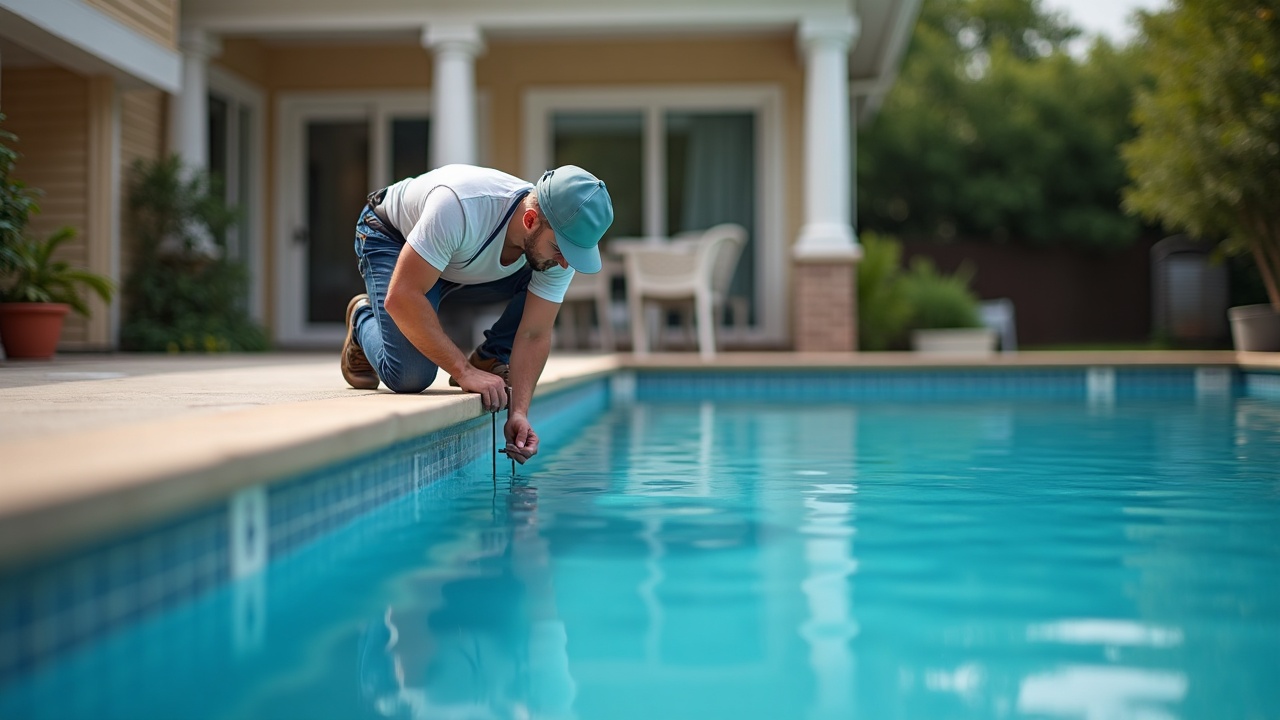
Swimming pool dive board leads convert at dismal rates because most companies quote projects that can't legally be installed. When homeowners call about adding a diving board or slide, they rarely know their existing pool doesn't meet minimum depth requirements — and if your front office doesn't screen for pool depth, deck space, and local permitting restrictions in the first conversation, you'll waste hours on estimates that end in disappointment and lost credibility. Competitors who pre-qualify these safety requirements upfront capture jobs you're leaving on the table.
The diving board and slide market looks profitable from the outside. Premium installations range from $3,000 to $15,000, and homeowners calling about them are usually motivated buyers with discretionary income. But here's the reality: according to industry data, nearly 60% of retrofit diving board inquiries involve pools that don't meet safety standards for installation. When your team books every caller for an onsite estimate without asking basic qualifying questions, you're burning fuel, time, and credibility on jobs that were never viable.
Why Pool Companies Waste Time on Unqualified Dive Board Estimates
Most swimming pool companies lose dive board and slide jobs before they even arrive onsite because no one on their team asks the three questions that matter: What's your pool depth? How much deck space do you have behind the deep end? Has anyone checked local zoning rules? Without these answers, your estimator shows up to quote a $10,000 diving board installation only to discover the pool maxes out at seven feet — two feet short of the minimum safe depth for a regulation springboard.
Here's what most articles won't tell you: The problem isn't that homeowners lie or withhold information. They genuinely don't know. A homeowner who's owned their pool for fifteen years will confidently tell you it's "deep enough" because they've been diving into it recreationally for years. They don't know that insurance companies, permit offices, and liability attorneys define "deep enough" very differently than weekend swimmers do. When your office takes the appointment without educating them, you've set yourself up to be the bearer of bad news — after you've already invested time and fuel getting there.
This education gap creates three outcomes, all of them bad for your business:
- Wasted estimates: Your crew drives out, measures, and delivers the disappointing news that the job can't happen — no revenue, just cost.
- Damaged credibility: The homeowner feels misled, even though you never promised anything, because they expected solutions when you agreed to come out.
- Lost referrals: Instead of becoming a referral source, this homeowner tells neighbors you "couldn't help" — which sounds like incompetence, not a pool depth issue.
What Are the Actual Pool Depth Requirements for Diving Boards?
Diving board safety requirements mandate minimum pool depths of 8 to 9 feet for residential springboards, measured from the board's tip along a slope extending into the pool. The exact depth varies by board height and spring stiffness, but no compliant installation happens in a pool shallower than 8 feet at its deepest point. Most suburban pools built in the last twenty years max out between 6 and 7.5 feet because builders reduced depth to cut excavation costs — which immediately disqualifies them from diving board retrofits.
The standards come from multiple sources that your front office should reference when screening callers:
Does My Pool Need to Be Deeper for a Slide Than a Diving Board?
Pool slide installation typically requires less depth than diving boards — usually 3 to 4 feet minimum at the slide exit point — but requires significantly more deck space and setback clearance. While slides seem like the "safer" alternative for shallow pools, they introduce different liability concerns: deck-mounted slides need structural reinforcement, water slides require pump flow rate calculations, and both trigger building permits in most jurisdictions. The homeowner who calls asking for "a slide instead since our pool isn't deep enough" still needs pre-qualification — just for different variables.
When your office team knows to pivot the conversation from depth to deck space, pump capacity, and HOA restrictions, you position yourself as the expert who saves them from expensive mistakes. That credibility wins jobs, even when the original request isn't feasible.
How Competitors Win Jobs by Screening Calls for Compliance Before Booking
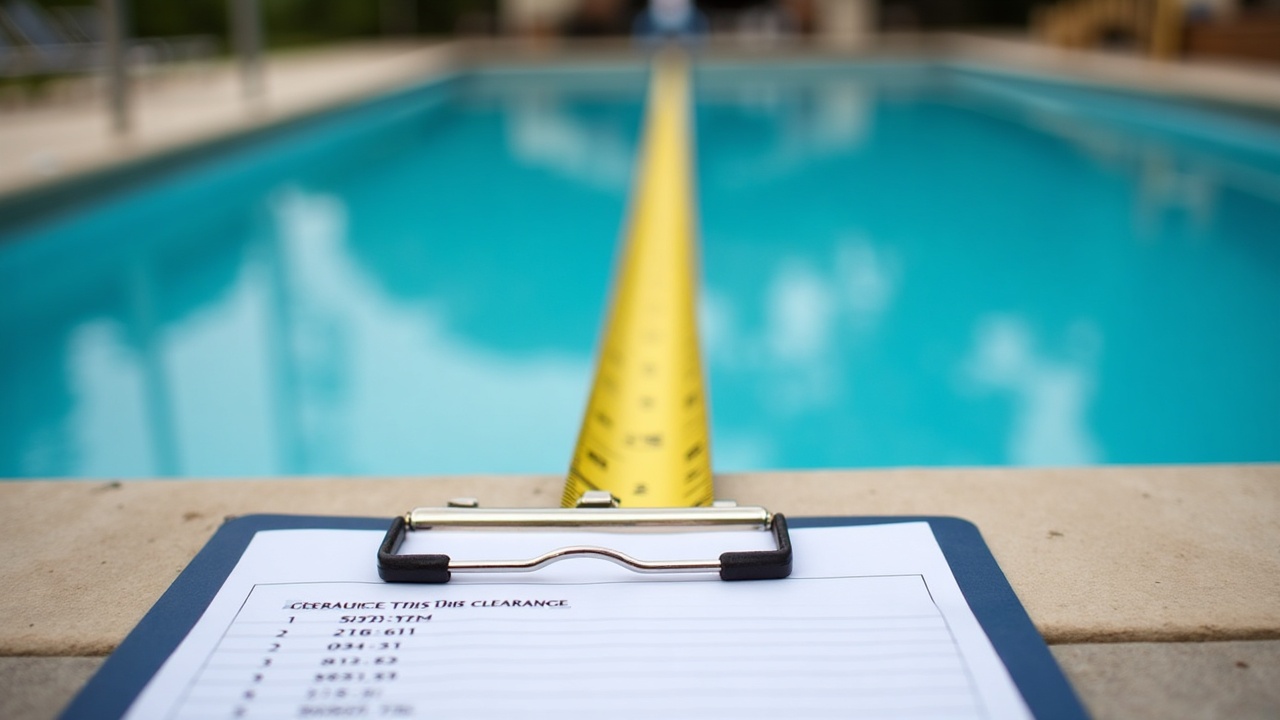
The pool companies capturing these jobs aren't magically finding better leads — they're qualifying the same callers you're getting, but they're doing it in the first three minutes of the conversation. A well-trained front office person asks pool depth, measures diving board clearance requirements out loud with the homeowner, and either confirms the project is viable or pivots to alternative upgrades that fit the existing pool. This approach converts more revenue per lead because it focuses your estimators' time on jobs that can actually close.
Between the second and third year of operation, most pool service companies realize they're leaving money on the table because no one's available to answer calls during peak inquiry hours — late afternoon and early evening when homeowners are planning weekend projects. A missed call about a diving board install isn't just one lost job; according to InsideSales.com, leads contacted within five minutes are 21 times more likely to convert than those reached after thirty minutes, and in the pool trade, that caller will simply move down their list to the next company. That's where Book All Leads makes a tangible difference: a full front office team that answers every call live, asks the pre-qualifying questions your estimators wish someone had asked, and books only the jobs worth your time. No software for you to learn, no contracts locking you in — just a team that knows pool depth requirements as well as your crew does, live in five days.
Here's what effective pre-qualification sounds like in practice. When a homeowner calls about adding a diving board, the trained team member responds:
"I'd love to help you with that. To make sure we give you accurate information, can I ask a few quick questions? What's the depth at the deepest part of your pool? And do you happen to know if there's at least fifteen feet of deck space behind your deep end?"
If the answers disqualify the diving board, the conversation doesn't end — it pivots:
"Got it. With a seven-foot depth, a regulation diving board won't meet safety codes, but we install jump rocks, sun shelves, and shallow-end entry steps that a lot of our clients love even more. Can I get one of our designers out to show you what's possible with your current pool?"
That pivot keeps the revenue opportunity alive and positions your company as solutions-focused rather than limitations-focused. The homeowner hangs up educated, not disappointed.

Why Permit and Liability Issues Kill Dive Board Projects Midstream
Even when pool depth checks out, diving board projects collapse during permitting because nobody warned the homeowner that their municipality reclassifies backyard pools as "public swimming facilities" once certain features are added. Some jurisdictions require commercial-grade fencing, additional insurance riders, and annual inspections for any pool with a fixed diving apparatus. When your estimator quotes the board installation but doesn't mention the $8,000 fence upgrade the permit office will require, the job dies — and the homeowner blames you for the surprise.
Liability concerns make this worse. According to insurance industry data, diving board injuries account for a disproportionate share of premises liability claims, which is why many carriers either exclude coverage or dramatically increase premiums when a policyholder adds one. Your front office should be asking, "Have you checked with your homeowner's insurance about coverage?" in the first call. When competitors do this and you don't, they're protecting the homeowner from financial surprises you're leaving as landmines.
What Happens If I Install a Diving Board Without a Permit?
Installing a diving board without required permits exposes both the homeowner and your company to serious liability. If an injury occurs, insurance will deny the claim based on unpermitted work, and the homeowner can sue your company for negligent installation. Many municipalities also conduct periodic aerial surveys that flag unpermitted pool modifications, resulting in fines, forced removal, and mandatory compliance work. Your front office should never allow a job to proceed without confirming permit requirements — and that confirmation needs to happen before you invest time in an estimate.
The Hidden Costs of Not Pre-Qualifying Pool Depth and Safety Requirements
Every unqualified estimate you run costs more than the obvious expenses of fuel and labor time. When your estimator spends ninety minutes onsite only to walk away empty-handed, you've also burned the opportunity cost of what that person could have been doing instead — closing a qualified job, following up on a proposal, or managing an active installation. Multiply that across a season, and poor lead qualification is costing you tens of thousands in lost productivity.
The reputational cost is harder to quantify but just as real. A homeowner who gets excited about a diving board, takes time off work for your estimate, and then learns their pool can't support the installation doesn't think, "My pool is the problem." They think, "That company wasted my time." In a trade where referrals and online reviews drive most new business, that perception is expensive. Research from Bain & Company shows that increasing customer retention by just 5% can increase profits by 25% to 95%, and in the pool service world, a satisfied customer becomes a neighborhood referral engine. The inverse is also true: a disappointed one becomes a cautionary tale.
Want to see what poor qualification is actually costing you? Use our calculator to estimate annual losses from missed calls and unqualified leads. Most pool companies are shocked when they run the numbers.
How to Train Your Front Office to Screen Dive Board Leads Effectively
If you're handling calls yourself or relying on a rotating cast of field crew members to answer the phone between jobs, your pre-qualification is inconsistent at best. Effective screening requires a checklist, a script, and someone whose only job in that moment is to gather the right information. That's rarely the person up on a ladder winterizing a pump.
Here's the baseline your front office should be covering on every diving board or slide inquiry:
- Current pool depth: "What's the depth at the deepest part of your pool?" If they don't know, walk them through how to check — it's usually stamped on the deck or listed on original builder documents.
- Deck space and clearance: "How much open deck space do you have behind the deep end?" Diving boards need 12-16 feet of clear approach space depending on the model.
- Age of the pool: Older pools may have structural issues or outdated deck anchoring systems that complicate retrofits.
- Local zoning and HOA rules: "Do you live in an HOA community?" and "Have you checked with your city about permits?" These questions flag complications early.
- Insurance confirmation: "You'll want to check with your homeowner's insurance before we proceed — most carriers require notification for diving boards."
Notice that none of these questions are pushy or salesy. They're protective — for the homeowner and for your business. When you frame them as "Here's what we need to confirm so we don't waste your time," callers appreciate the thoroughness.
What Pool Upgrades Should You Offer When Depth Disqualifies Diving Boards?
When pool depth or deck space disqualifies a diving board, the conversation isn't over — it's just starting. The homeowner who called you wants to upgrade their pool experience, and depth is only one variable. Your front office should be trained to pivot immediately to alternatives that deliver similar value without the compliance headaches. The best pool companies treat a "no" on diving boards as an opportunity to propose better-fit solutions.
Here are the pivots that convert disappointed callers into paying clients:
- Jump rocks and boulders: Natural stone features that provide a jumping platform without the regulatory burden of a diving board.
- Sun shelves and tanning ledges: Shallow-water lounging areas that add luxury and functionality — especially appealing to families with young kids.
- Water features: Waterfalls, deck jets, and bubblers create visual interest and can often be added without permits.
- LED lighting upgrades: Dramatic nighttime ambiance that increases pool usage and property value.
- Shallow-end entry steps or beach entries: Aesthetic and functional upgrades that work with any depth.
When your office team presents these alternatives in the first call — before the estimate appointment — you position yourself as a solutions partner, not an order-taker. That difference wins jobs.
Why Pool Companies That Answer Calls Live Capture More Dive Board Revenue
The diving board shopper is almost never calling just one pool company. They're working down a list, and the first company that answers live, asks intelligent questions, and gives them a clear path forward is the one that gets the appointment. According to research from Vendasta, 75% of customers choose the business that responds first, and in a high-consideration purchase like a pool upgrade, that first contact sets the tone for the entire relationship.
If your phone rings to voicemail during business hours — or worse, after hours when homeowners are most likely to be researching contractors — you're not even in the running. The callback you make six hours later reaches a prospect who's already scheduled estimates with two competitors and mentally moved on. Your missed call isn't a delay; it's a disqualification.
This is why owner-operators who try to juggle phone coverage between job sites consistently lose to companies with dedicated front office teams. You can't pre-qualify pool depth requirements while you're troubleshooting a pump failure. And the field tech who answers your phone between service calls isn't going to walk a homeowner through deck clearance measurements — they're going to say, "Let me have someone call you back," which is functionally the same as not answering.
Frequently Asked Questions About Swimming Pool Dive Board Leads
How deep does a pool need to be for a residential diving board?
Residential pools need a minimum depth of 8 to 9 feet to safely accommodate a diving board, measured from the tip of the board along a slope extending into the pool. The exact requirement depends on the board's height and spring stiffness, but no compliant installation occurs in pools shallower than 8 feet. Most suburban pools built after 2000 max out at 6 to 7.5 feet, which disqualifies them from diving board retrofits without expensive excavation and replastering work.
Can I install a pool slide if my pool isn't deep enough for a diving board?
Yes, pool slides typically require only 3 to 4 feet of water depth at the slide exit point, making them viable for many pools that can't accommodate diving boards. However, slides introduce different requirements: adequate deck space, structural reinforcement for deck-mounted models, sufficient pump flow rate for water slides, and building permits in most jurisdictions. Your front office should screen for these variables just as carefully as they would for diving board depth.
Do I need a permit to install a diving board on my existing pool?
Most municipalities require building permits for diving board installations because they classify the modification as a structural change that affects pool safety. Permit requirements vary by jurisdiction, but typically include inspections of deck anchoring, pool depth verification, and compliance with updated fencing and barrier codes. Some cities also reclassify pools with diving boards under stricter regulations that mandate commercial-grade features. Always check local building codes before quoting a diving board project.
Will my homeowner's insurance cover a diving board?
Many homeowner's insurance policies either exclude diving board coverage or require an additional liability rider with higher premiums. Insurers view diving boards as elevated risk features due to the frequency and severity of diving-related injuries. Homeowners should contact their insurance carrier before proceeding with installation — and your front office should prompt this conversation during pre-qualification to avoid surprises that kill the project midstream.
Why do pool companies quote diving board jobs that can't be installed?
Most pool companies quote non-viable diving board jobs because their front office doesn't pre-qualify callers for pool depth, deck clearance, and local permitting requirements before booking estimates. Field crews arrive onsite expecting a straightforward quote, only to discover the pool is too shallow or local codes prohibit the installation. This wastes time, fuel, and credibility — and it happens because no one asked the right questions during the initial call.
What should I ask a pool company before scheduling a diving board estimate?
Before scheduling an estimate, ask the pool company whether they've confirmed your pool meets minimum depth requirements (8-9 feet), whether your deck has adequate clearance space (12-16 feet of approach area), and whether they've verified local permit requirements in your municipality. A quality company will ask you these questions first — if they're booking you for an onsite visit without gathering this information, you're likely headed for a wasted appointment. Professionals pre-qualify projects to protect your time and theirs.
Stop Losing Dive Board Revenue to Better-Qualified Competitors
Swimming pool dive board leads are only valuable when someone on your team knows how to qualify them before you invest time and fuel in an estimate. The companies winning these jobs aren't getting better calls — they're screening the same callers you're getting, asking smarter questions, and pivoting to alternative solutions when depth or compliance issues rule out diving boards. That's not magic. That's a trained front office doing the work that protects your profitability.
If your current phone coverage is inconsistent — if calls go to voicemail during the day or if the person answering doesn't know pool depth requirements from pump pressure specs — you're bleeding revenue to competitors who've solved this problem. The fix isn't hiring another admin who needs training and management. The fix is a team that already knows your trade, answers every call live, and pre-qualifies leads like your most experienced estimator would. Book All Leads builds and manages your entire front office — six roles, 24/7 coverage, live in five days. No software, no contracts, no learning curve. Just qualified leads and more closed jobs.
John Edmonds is a native Texan and military combat veteran. He founded Book All Leads after identifying a critical gap in the service industry: business owners losing revenue not from lack of skill, but because no one was handling the calls, follow-ups, reviews, and payments while they were busy doing the work.
View LinkedIn Profile →