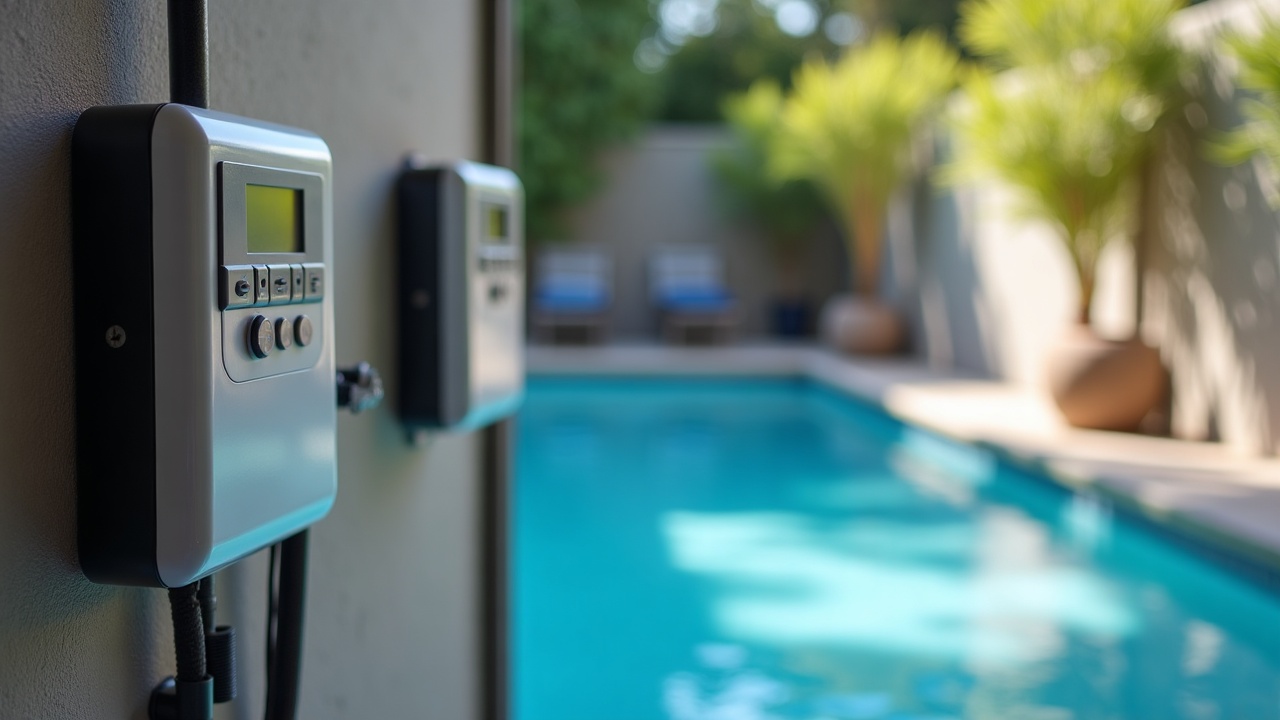
Swimming pool equipment upgrade leads slip through the cracks when companies treat $8,000 heater replacements and $12,000 automation installs like routine service calls. The real problem isn't finding homeowners ready to upgrade — it's answering their calls within five minutes, following up on maintenance visits where you spot failing equipment, and getting quotes out before competitors do. Pool companies lose these high-margin jobs because their front office can't keep pace with equipment sales opportunities that require immediate response and persistent follow-through.
Why Pool Equipment Upgrades Are Your Highest-Margin Opportunity
Equipment replacement and upgrade jobs generate 3-5 times the profit margin of weekly service routes, yet most pool companies book only a fraction of the equipment leads that come their way. A variable-speed pump replacement averages $1,800-$2,400, a gas heater swap runs $3,500-$5,000, and a full automation retrofit can hit $8,000-$15,000. These aren't price-shopped commodity services — homeowners making these investments want expertise and fast response.
The difference between a $40 weekly service customer and a $12,000 automation customer isn't just the ticket size. It's the decision timeline. A homeowner calling about a dead heater in April wants it fixed before pool season peaks. They'll call three companies and hire whoever responds first with a clear quote. According to InsideSales.com, leads contacted within five minutes are 21 times more likely to convert than those contacted after 30 minutes. For high-ticket pool equipment leads, that window is even tighter — your competitors are calling back while you're finishing a chemical balance across town.
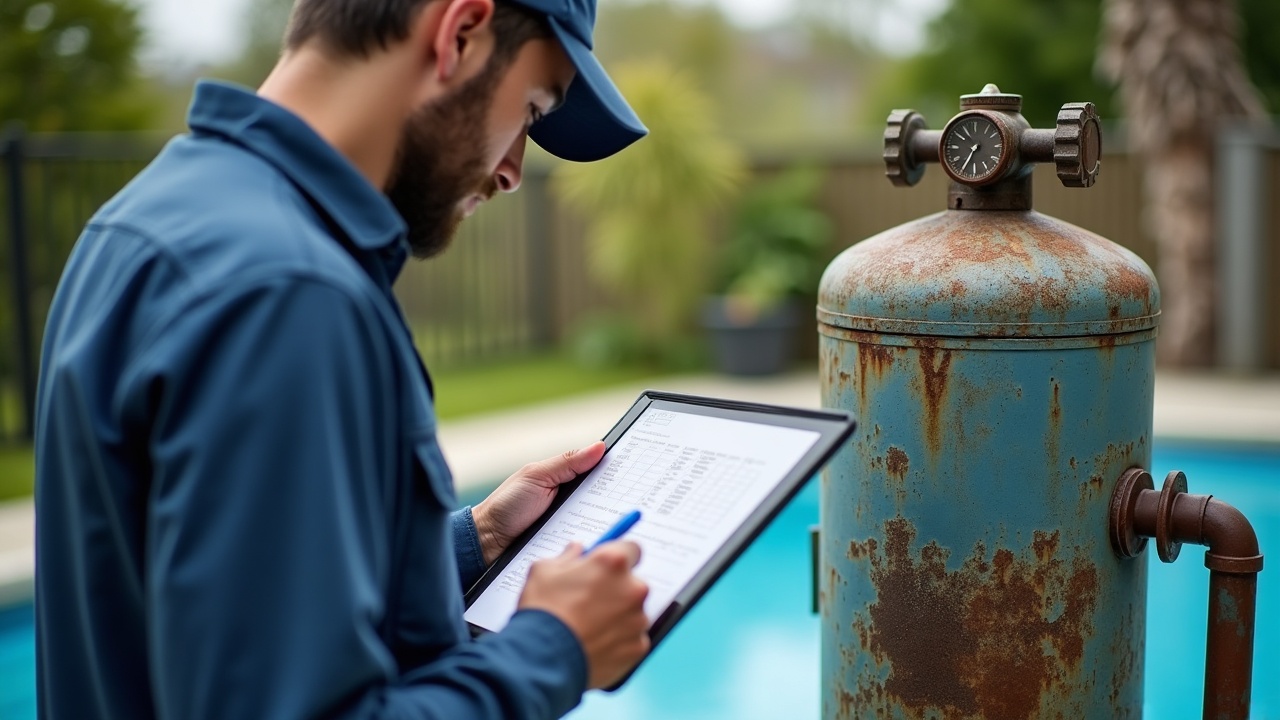
Here's what most articles won't tell you: The biggest source of equipment upgrade leads isn't online advertising or referrals — it's your own maintenance routes. Your techs spot failing pumps, inefficient single-speed motors, corroded heaters, and outdated control panels on every stop. But if your office can't call those homeowners the same day with upgrade options and pricing, you're training your customers to call someone else when that pump finally dies.
The Problem: Your Front Office Can't Move Fast Enough for Equipment Sales
Pool equipment sales require a completely different response cadence than service scheduling. When a homeowner calls about a noisy pump or a heater that won't fire, they're not booking next Thursday's cleaning — they're evaluating whether to spend $4,000 with you or get three more quotes. If your office takes two hours to call back, you've already lost to the company that answered on ring two.
Here's how equipment leads die in most pool companies:
- Missed calls during route time: Your office staff is booking service calls from 9-11 AM while equipment emergency calls go to voicemail
- Quote delays: Homeowner calls Monday about a heater, you schedule a site visit for Thursday, quote goes out Friday — competitor quoted Tuesday and booked the job Wednesday
- Zero follow-up on tech observations: Your tech notes "pump very loud, recommend replacement" in the service ticket, but nobody calls the homeowner to discuss options
- After-hours inquiries ignored: Homeowner researches automation systems after work, fills out your contact form at 7 PM, doesn't hear back until 10 AM the next day — already talking to two other companies
The underlying issue isn't that your team doesn't care. It's that equipment sales demand immediate engagement, detailed follow-up, and multiple touchpoints — work that doesn't fit into the reactive rhythm of service scheduling. Your front office is built to manage routes and dispatch, not to chase $10,000 opportunities with the urgency they require.

How Equipment Leads Differ from Service Calls (And Why That Kills Your Close Rate)
Pool pump replacement leads and pool heater installation leads aren't service appointments — they're sales opportunities disguised as maintenance questions. The homeowner calling about a "loud pump" is really asking "should I replace this now or wait?" The couple emailing about pool automation isn't shopping — they're evaluating who can explain the investment and start next week.
Service calls follow a script: gather the address, confirm the issue, schedule the tech. Equipment inquiries require consultation: How old is your current equipment? What problems are you experiencing? When do you want this completed? Are you comparing heaters or pumps or both? This takes 8-12 minutes, not 90 seconds. If your office is trained to book appointments quickly and move to the next call, they're losing equipment jobs before the conversation even develops.
Then there's the follow-up gap. A maintenance customer who doesn't book today will call back when their pool turns green. An equipment prospect who doesn't get a quote in 24 hours books with someone else and won't resurface for five years. The sales cycle is compressed, the competition is fierce, and the profit margin makes it worth real effort — but only if your front office treats it that way.
The Fix: A Front Office Team That Treats Equipment Leads Like Revenue, Not Appointments
Capturing pool equipment sales requires a front office that separates high-value leads from routine service calls and responds with the speed and persistence these opportunities demand. That means answering every call in under 30 seconds, identifying equipment inquiries immediately, and following a sales process — not a scheduling script.
The companies winning equipment jobs do three things differently. First, they answer calls live, even during peak route hours. Second, they follow up on every equipment observation their techs log within 24 hours. Third, they send quotes the same day and call back if the homeowner doesn't respond within 48 hours. None of this happens accidentally. It requires people dedicated to revenue-generating activities, not just keeping the dispatch board organized.
That's the gap Book All Leads was built to fill. We provide a full front office team — six roles working around the clock to answer your calls, qualify equipment leads, follow up on tech observations, and get quotes into homeowners' hands before your competitors even call back. No software for you to learn, no hiring, no training. You get a team that treats your pool pump replacement leads and automation inquiries like the high-margin opportunities they are. Live in five days, no contracts.
What Your Tech Sees vs. What Your Office Does (The $50,000 Gap)
Your maintenance techs generate more equipment leads than your marketing ever will. Every route day, they're looking at pumps that should have been replaced two years ago, heaters running at 60% efficiency, and analog control panels that belong in a museum. They log it in the ticket. Then... nothing happens.
Here's the revenue leak: Your tech identifies ten upgrade opportunities per week. That's 40 per month, 480 per year. If your office called each homeowner within 24 hours to discuss options and sent pricing, you'd close 15-20% — conservatively, 72-96 equipment jobs per year. At an average ticket of $4,000, that's $288,000-$384,000 in revenue your techs already found. You're just not harvesting it.
The disconnect happens because your office treats tech notes as documentation, not sales triggers. The ticket says "pump loud, suggest replacement" and gets filed. The homeowner hears nothing until the pump dies six months later — and calls the company whose truck they saw three houses down last week.
How to Turn Service Observations Into Equipment Sales
The fix is a same-day callback process. When your tech logs an equipment concern, your front office calls that homeowner before end of business. Not to sell — to inform. "Our tech noticed your pump is running louder than normal. That usually means the bearings are wearing out. We can send you a quote for a replacement, or we can just keep an eye on it. What works better for you?"
Half will say "just watch it." Fine — you've positioned yourself as the go-to when it fails. The other half will say "yeah, send me a quote." That's a qualified lead you didn't pay for, delivered by an employee you already have. Close 20% of those and you've added six figures to your year.
Why Pool Automation Sales Die (Even When Homeowners Are Ready to Buy)
Pool automation systems are the highest-margin equipment category most companies ignore. A full smart pool retrofit — controller, variable-speed pump, automated valves, remote access — runs $8,000-$15,000 installed. The homeowner who wants this isn't price-sensitive. They've already decided they're tired of manually adjusting timers and walking outside to check the heater. They're shopping for a company that can explain the system and start quickly.
Here's where it falls apart: automation sales require education. The homeowner doesn't know the difference between a basic controller and a full smart system. They don't know if their existing equipment is compatible. They need someone to walk through options, explain costs, and follow up with a detailed proposal. That's a 20-minute conversation, a site visit, and a written quote — and if any step takes more than two days, they've hired someone else.
Most pool companies lose automation leads because they treat them like pump swaps. The homeowner calls Monday. You schedule a site visit for Thursday. Friday you email a quote. The following Wednesday you call to follow up — and they've already signed with the company that had a proposal in their inbox Tuesday night and called Wednesday morning to walk through it.
The Automation Sales Process That Actually Works
Companies that win automation jobs follow a compressed timeline. Inquiry comes in Monday morning. Office calls back within an hour, gathers details, and schedules a site visit for Monday afternoon or Tuesday morning. Tech visits, takes notes, photographs the equipment pad. Office sends a detailed quote by Wednesday morning and calls Wednesday afternoon to review it. If the homeowner doesn't respond by Friday, office calls again Monday. This isn't pushy — it's professional urgency.
The homeowner spending $12,000 on pool automation expects this level of engagement. If you're not providing it, someone else is. And unlike pump replacements, where homeowners might call you back later, automation prospects disappear once they've made a decision. You get one shot.
Real Example: How One Pool Company Captured 40% More Equipment Revenue
A 12-truck pool service company in Phoenix was doing $1.8M annually, almost entirely from weekly maintenance and repairs. They had the customer base, the techs spotted equipment issues constantly, but their two-person office couldn't keep up. Equipment calls went to voicemail during busy mornings. Tech observations sat in tickets for weeks. Quotes took 3-5 days to send. They were losing $300K-$400K in equipment sales every year to faster competitors.
They brought in a dedicated front office team to handle equipment leads separately from service scheduling. Every call answered live. Every equipment inquiry got a callback within 30 minutes. Every tech observation triggered a same-day homeowner contact. Quotes sent within 24 hours, follow-up calls at 48 and 96 hours. Within four months, equipment revenue jumped from $240K annually to $380K — a 58% increase with the same tech team, same customer base, same marketing spend.
The difference wasn't better techs or bigger advertising. It was treating equipment leads like what they are: high-value sales opportunities that die without immediate, persistent follow-through. Want to see what that could mean for your business? Calculate your losses from missed equipment calls.
What It Actually Takes to Capture Pool Equipment Sales
Winning pool heater installation leads and pump replacement jobs consistently requires three capabilities most owner-operators don't have time to build: live answer during business hours, immediate lead qualification, and multi-touch follow-up over 5-7 days. You can't do this with an answering service that takes messages. You can't do it with your service coordinator who's already managing dispatch. You need people whose job is revenue follow-through, not appointment logistics.
Here's what that front office does differently:
- Answers in under 30 seconds: Equipment emergencies don't leave voicemails — they call the next company
- Qualifies immediately: "Is this a repair or a replacement conversation?" determines the entire path forward
- Schedules site visits same-day or next-day: Speed to quote beats quality of quote in equipment sales
- Sends quotes within 24 hours: After 48 hours, your close rate drops by half
- Follows up at 48 and 96 hours: Most equipment jobs close on the second or third touch, not the first
- Calls every tech observation within 24 hours: Your maintenance routes are a $400K lead source — if you actually work them
You can try to train your current office staff to do this on top of their existing work. Most companies do. It lasts two weeks before they're back to reactive mode, and equipment leads are dying in the queue again. Or you can bring in people whose only job is making sure high-value opportunities get worked until they close or disqualify. That's what changes the revenue line.
How Much Revenue Are You Losing to Slow Response?
If you're running eight or more service routes, your techs are generating 30-50 equipment observations per month. Add inbound calls from homeowners with failing equipment, and you're looking at 40-70 opportunities monthly. If you're closing 10% because your office is too slow or too busy, you're leaving $200K-$400K on the table annually. Close 25% instead, and you've added a quarter-million in high-margin revenue without adding a single truck.
According to Vendasta, 78% of customers buy from the company that responds first, not the company with the best offer. In pool equipment sales, "first" means answering the initial call live and sending a quote within 24 hours. Miss that window and pricing doesn't matter — you're not in the conversation anymore.
The math is simple: every missed equipment call is a $3,000-$12,000 decision made in your competitor's favor. Five missed calls per week is $60,000-$240,000 per year walking away. The cost of fixing this — a front office team that actually works equipment leads — pays for itself in the first month.
Why "We'll Call You Back" Doesn't Work for Equipment Leads
Service customers will wait. Equipment buyers won't. When a homeowner calls about a failing heater in March, they've already decided to replace it before summer. The only question is who gets the job. If you answer live and schedule a quote visit for tomorrow, you're the frontrunner. If they get voicemail and you call back in two hours, you're competing. If you call back the next day, you've lost.
This is the hidden cost of being "too busy to answer." You think you're prioritizing billable work over phone calls. What you're actually doing is prioritizing $180 service calls over $8,000 equipment sales. Your competitor who answers live isn't smarter or better — they're just present when the decision is being made.
The same applies to quotes. Homeowners expect equipment pricing within 24-48 hours. After 72 hours, they assume you're not interested and move on. If your process is "we'll get back to you early next week," you're programming homeowners to hire faster companies. Speed isn't a tiebreaker in equipment sales — it's the qualification to compete.
Frequently Asked Questions
How quickly do I need to respond to pool equipment leads?
Answer equipment calls live whenever possible, and return missed calls within 30 minutes. According to industry data, response time is the single strongest predictor of close rate for high-ticket home services. For equipment quotes, send pricing within 24 hours of the site visit and follow up within 48 hours if the homeowner hasn't responded. After 72 hours, your close rate drops by more than half.
What's the average close rate for pool equipment upgrade leads?
Companies with live answer and same-day follow-up typically close 20-30% of qualified equipment leads. Companies that take 24+ hours to respond or don't follow up persistently close 5-10%. The difference isn't the quality of leads — it's how quickly you engage and how many times you follow up before the homeowner decides.
Should I handle equipment sales differently than service calls?
Absolutely. Service calls are transactional scheduling conversations that take 90 seconds. Equipment inquiries are consultative sales conversations that take 8-12 minutes and require multiple follow-ups over several days. If your office treats them the same, you'll lose most equipment opportunities to companies that recognize the difference and staff accordingly.
How do I get my techs to identify more equipment upgrade opportunities?
Your techs already see the opportunities — they just don't report them consistently because nothing happens when they do. Create a feedback loop: when your office calls a homeowner based on a tech observation and books a job, let that tech know. Once they see their notes turning into revenue, they'll log every failing pump and outdated heater they encounter.
What's the best way to follow up on equipment quotes?
Call the homeowner 48 hours after sending the quote to confirm they received it and answer questions. If they don't commit, call again at 96 hours with a specific timeline: "We have availability next week if you'd like to move forward." Most equipment sales close on the second or third touch, not the first. Companies that don't follow up persistently lose to companies that do.
Can an answering service handle equipment leads?
Not effectively. Answering services take messages — they don't qualify leads, schedule quotes, send pricing, or follow up. Equipment sales require real conversation, multiple touchpoints, and urgency. You need a front office team that can do more than capture a name and number.
Stop Losing Your Highest-Margin Work to Competitors Who Just Answer Faster
You already have the equipment leads. Your techs are spotting them every day. Homeowners are calling you when their heaters fail and their pumps die. The only reason you're not closing 25-30% of those swimming pool equipment upgrade leads is that your front office can't move fast enough to compete with companies who've made equipment sales a priority.
This isn't about marketing or lead generation. It's about capturing the revenue that's already coming to you. Live answer, immediate follow-up, same-day quotes, persistent contact until the homeowner buys or disqualifies. Do those four things consistently and you'll add $200K-$400K in equipment revenue this year with the same trucks, same techs, same marketing budget.
If you don't have the people to do that, Book All Leads does. We're your front office — live answer, lead qualification, quote follow-up, tech observation callbacks, all of it. You focus on the work. We make sure the high-margin opportunities actually turn into booked jobs. Live in five days, no contracts, no software to learn. Let's capture the revenue you're already earning on paper.
John Edmonds is a native Texan and military combat veteran. He founded Book All Leads after identifying a critical gap in the service industry: business owners losing revenue not from lack of skill, but because no one was handling the calls, follow-ups, reviews, and payments while they were busy doing the work.
View LinkedIn Profile →