
Why Swimming Pool Heatwave Calls Overwhelm Most Pool Service Companies
Swimming pool heatwave calls spike to three times normal volume during 90-degree weeks, and most pool service companies lose 60-70% of those opportunities because they can't answer the phone. When temperatures soar, frustrated homeowners call every pool company in their Google results until someone picks up. The company that answers first wins the job, while competitors stuck on job sites lose five-figure weeks to faster-responding competitors who may not even be better at the work.
This isn't about service quality. It's about being reachable when demand surges faster than your staffing can handle.
What Happens When Your Pool Company Misses Heatwave Calls
You lose the job within five minutes. During high-demand periods, homeowners aren't leaving voicemails and waiting patiently. They're scrolling to the next company in the search results and dialing again. According to InsideSales.com, leads contacted within five minutes are 21 times more likely to convert than those contacted after 30 minutes. In heatwave conditions, that window shrinks even further.
Here's what a typical lost opportunity looks like: A homeowner's pool pump fails on a 95-degree Tuesday. Their kids are home for summer. The backyard is unusable. They call you at 10:47 AM. You're elbow-deep in a filter replacement across town, phone silenced in your truck. They call your competitor at 10:51 AM. Someone answers. The job is booked by 10:54 AM. You check your voicemail at 12:30 PM and call back. They've already committed to someone else.
That's a $1,200-$2,800 repair job gone in seven minutes. Multiply that by the 15-25 calls you might miss during a three-day heatwave, and you're looking at $18,000-$70,000 in lost revenue per heat event. Most pool service companies experience 4-6 major heatwaves per season. The math gets painful quickly.
Why Pool Service Surge Demand Is Different From Regular Call Volume
Normal call patterns don't prepare you for heatwave volume. On a typical spring day, you might field 8-12 calls spread across business hours. During a heatwave, that becomes 25-40 calls compressed into the hottest part of the day, when every homeowner simultaneously realizes their pool equipment is failing or their water chemistry is off.
Everyone wants service today. Not tomorrow. Not next week. The problem is urgent, visible, and affecting their family's immediate plans. Pool owners have often already tried quick fixes from YouTube videos or advice from neighbors. By the time they're calling you, they're frustrated and ready to pay for professional help.
- Morning rush (7-10 AM): Homeowners discover overnight equipment failures or cloudy water before work
- Midday surge (11 AM-2 PM): Peak heat drives immediate service requests as families plan afternoon pool time
- Evening desperation (4-7 PM): Next-day booking attempts from people who couldn't reach anyone earlier
Your technicians are already fully booked. Adding phone coverage during these windows isn't about squeezing in extra jobs today—it's about capturing bookings for tomorrow and next week before your competitors do.
Why Pool Companies Can't Handle Peak Call Volume (Even Good Ones)
The problem isn't poor planning or laziness. It's a staffing model that works perfectly well 90% of the year and fails catastrophically during the 10% that generates the highest revenue. Most pool service companies run lean during normal seasons, with technicians handling their own scheduling or a single office person managing phones between other tasks. This model collapses when call volume triples.
You face an impossible choice: pull a technician off a job site to answer calls (losing billable hours and frustrating the customer in front of you), or let calls roll to voicemail (losing new bookings to competitors). Neither option protects your revenue.
Here's what most articles won't tell you: Hiring seasonal staff to handle heatwave call volume doesn't solve the problem because the surge is too unpredictable and too short. You can't justify hiring and training someone for three-day heat events scattered across a four-month season. By the time they're trained on your service menu, pricing, and scheduling preferences, the surge is over. Then you're paying wages during slow periods or dealing with turnover right before the next heatwave hits.
The Callback Trap That Costs You Conversions
Returning missed calls after your job wraps seems responsible, but it rarely recovers the opportunity. When you call back three hours later, you're competing against the confirmation email your prospect already received from the company they booked. Even if they haven't technically signed anything, they've mentally moved on. You're now asking them to cancel a scheduled appointment and choose you instead—a much higher bar than simply being first to answer.
According to Harvard Business Review, customers who experience immediate response during high-stress service needs show 40% higher satisfaction and loyalty scores than those who wait, even when the final service quality is identical. Speed of response becomes a proxy for reliability in the customer's mind.
This is why Book All Leads provides a full front office team that picks up every call live—no voicemail, no "we'll call you back," no queue music. Six specialized roles working around the clock, answering in your company name, booking jobs according to your actual availability, and collecting customer information while it's still hot. Your team stays on the job site. Every caller reaches a real person who can help them immediately. You're live in five days, no contracts, nothing for you to learn or manage.

How to Actually Capture Swimming Pool Heatwave Calls
You need live answer coverage that scales with demand without adding permanent overhead. The solution isn't hiring more in-house staff or installing voicemail systems that promise to "respond quickly." It's ensuring a qualified person answers every single call during surge periods and books the job while the homeowner is still motivated.
The companies that dominate heatwave revenue follow a consistent pattern: they treat phone coverage as a separate function from field work, they script their intake process so every caller gets the same professional experience, and they track response time as closely as they track job completion rates.
What Your Front Office Needs to Do During Peak Calls
Answering the phone is the minimum requirement. Capturing the job requires a structured intake process that works even when calls are back-to-back. Your front office team—whether internal or external—needs to accomplish four things on every call:
- Qualify the urgency: Is this a same-day emergency, a this-week priority, or a routine maintenance request? Heat-driven calls sound equally urgent, but a failing pump needs different scheduling than green water.
- Quote a realistic timeline: Setting accurate expectations prevents cancellations. If you're booked solid today but can arrive tomorrow morning, say that confidently. Homeowners respect honesty over false promises.
- Collect complete information: Name, address, callback number, equipment type, and problem description. Incomplete intake forces callbacks that delay scheduling and frustrate customers.
- Book the appointment immediately: Don't say "someone will call you back to schedule." Get them on the calendar during the first conversation, even if the appointment is three days out.
This process takes 3-5 minutes per call when done correctly. During a 40-call heatwave day, that's 120-200 minutes of dedicated phone time—time your field technicians don't have and shouldn't be expected to carve out between jobs.
Why Scripts Beat Improvisation During Pool Company High Demand
Consistency converts better than personality when call volume surges. A well-designed script ensures every caller gets quoted accurate pricing, understands your availability, and receives the same professional treatment regardless of who answers the phone. This isn't about sounding robotic—it's about protecting your margins and preventing scheduling chaos.
Your script should address the five questions every heatwave caller asks: "Can you come today?" "How much will it cost?" "What do you need from me?" "When will you arrive?" and "How do I pay?" Answer these clearly and you'll book 70-80% of qualified calls. Fumble them and homeowners move to the next company.
Template your responses around service tiers and common problems. For example: "For a pump replacement, we're typically $800-$1,400 depending on the model. I can get a technician to you tomorrow between 8-10 AM to diagnose it precisely. Does that timeframe work for you?" That's specific, professional, and bookable. Compare it to "Um, it depends on what's wrong, someone will call you back" and you can hear why the first version wins.
The Real Cost of Missing Peak Season Revenue
Pool service businesses generate 60-75% of annual revenue during the four-month peak season from May through August. Heatwaves represent the highest-margin days within that window because equipment failures spike, chemical imbalances accelerate, and homeowners pay premium rates for fast response. Missing calls during these periods doesn't just cost you this week's jobs—it costs you the customer relationships that drive recurring service contracts.
A homeowner who can't reach you during an emergency will remember that failure for years. Even if you provide excellent service later, that initial abandonment damages trust. They're far less likely to sign up for weekly maintenance contracts or call you first for future repairs. You've lost the lifetime value of that customer, not just one transaction.
Use our calculator to estimate what missed heatwave calls are actually costing your business. Most pool service owners underestimate the impact by 40-60% because they only count the immediate job value, not the compounding loss of repeat business and referrals.
How Missed Calls Compound Across Heat Events
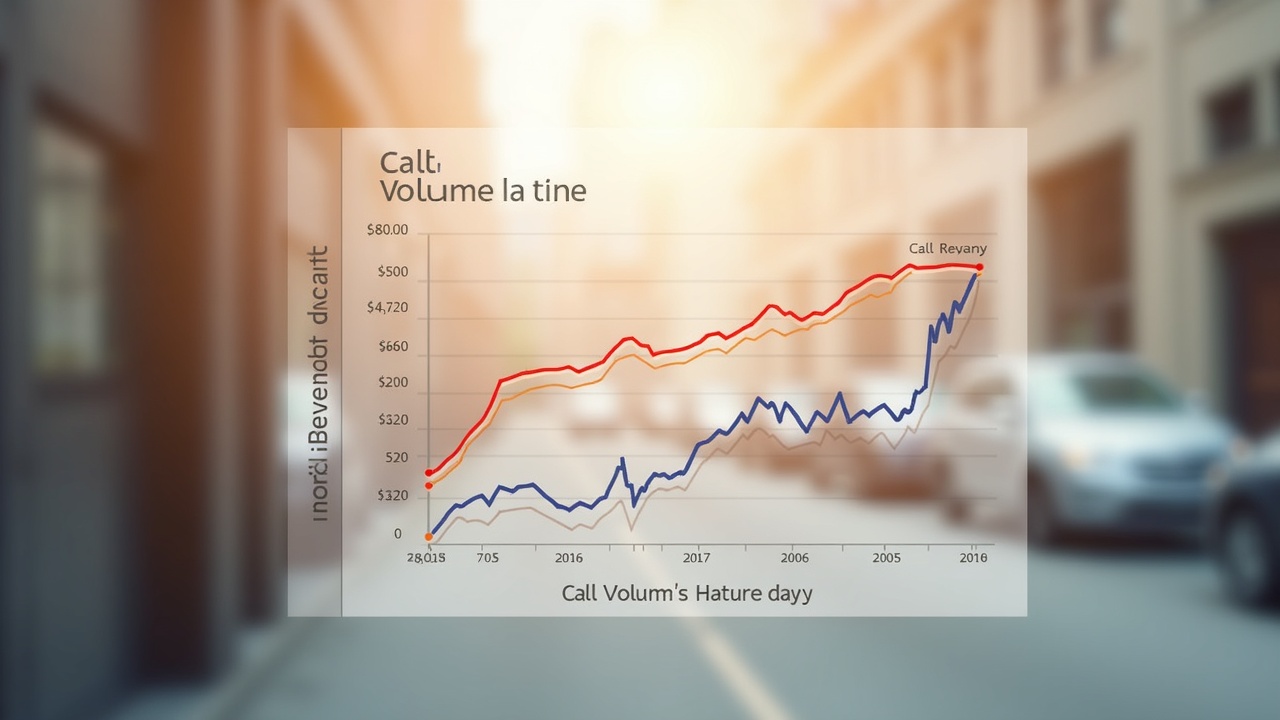
Let's work through a realistic scenario. Your area experiences five major heatwaves per season, each lasting 3-4 days. During each event, you miss an average of 18 calls because your team is in the field. If 65% of those callers would have booked (industry standard conversion rate for urgent service calls), that's 12 lost jobs per heatwave × 5 events = 60 lost jobs per season.
At an average ticket value of $1,400 for emergency pool service (pump repairs, chemical corrections, filter issues), you're leaving $84,000 on the table annually. That's not counting the recurring maintenance contracts you would have upsold 30-40% of those customers into, adding another $15,000-$25,000 in annual contract value.
Your competitors who answer those calls aren't better technicians. They're just reachable. That's the frustrating part—you're losing $100,000+ per year to operational capacity, not service quality.
What Winning Pool Companies Do Differently During Surge Demand
Top-performing pool service companies treat peak call periods like retail businesses treat Black Friday—as predictable high-revenue events that require dedicated staffing plans. They don't expect field technicians to double as phone operators. They don't rely on voicemail. They ensure live coverage regardless of how busy the schedule gets.
These companies track three metrics obsessively: answer rate (percentage of calls answered live), first-call booking rate (percentage of callers scheduled during initial contact), and cost per acquired customer during peak periods. They know exactly what surge coverage costs them and exactly what revenue it generates. The ROI is typically 8:1 to 12:1 during heatwaves.
They also communicate proactive scheduling to existing customers before heatwaves hit. A text blast on Monday saying "Temps hitting 98° this week—book your service check now before emergency slots fill up" captures preventive revenue and reduces day-of panic calls. You're smoothing demand while appearing responsive and professional.
The Five-Day Ramp to Full Coverage
You don't need months to implement professional phone coverage. The right front office team can be answering calls in your company name within a week, fully briefed on your service menu, pricing structure, and scheduling preferences. This speed matters because heatwaves don't wait for your operational improvements.
A properly structured handoff includes: recording your standard phone greeting and service descriptions, mapping your service area and typical response times, establishing pricing authority and discount approval processes, integrating with your calendar (or managing a parallel booking sheet you review twice daily), and testing the intake process with role-played calls before going live.
Companies that delay coverage setup because they think they need perfect processes first miss entire seasons. Launch with 80% coverage and refine during slow periods. The revenue from answered calls during your first heatwave will more than cover any minor scheduling hiccups during the learning curve.
Why Your Current Answering Service Isn't Solving This
Generic answering services take messages. They don't book jobs. There's a fundamental difference between recording a name and number versus actually securing an appointment with accurate timeline expectations and service scope. Most pool service owners who've tried answering services report callback rates under 50% and conversion rates under 30% because the caller experience feels impersonal and non-committal.
The caller asks "Can you fix my pump today?" and the service says "I'll have someone call you back." That's not an answer. That's a delay tactic that sends homeowners to the next company. You need a team empowered to book work, quote pricing within your guidelines, and represent your business as if they're sitting in your office—because functionally, they are.
True front office coverage means intake specialists who understand pool service terminology, recognize urgency levels, and follow your capacity management rules. They know when you're booked and when you have openings. They collect payment information when appropriate. They update job details in real-time so your technicians arrive prepared. This level of integration doesn't happen with $89/month message-taking services.
Frequently Asked Questions
How many calls should I expect during a typical heatwave?
Most pool service companies experience 2.5 to 3 times their normal daily call volume during sustained heatwaves (three or more consecutive days above 90°F). If you typically receive 10 calls per day during regular season, expect 25-30 during peak heat. Larger service areas or companies with strong online presence may see 40-50 calls during extreme heat events. The surge typically peaks between 11 AM and 2 PM when homeowners are planning immediate pool use.
What's the real conversion rate for pool service calls answered live versus callbacks?
Industry data shows live-answered urgent service calls convert at 60-75%, while callbacks from missed calls convert at 15-25%. The difference comes down to timing and commitment—when you answer immediately, you're competing against no one. When you call back hours later, you're competing against the company they already booked. The gap widens further during heatwaves when homeowners are calling multiple companies simultaneously until someone answers.
Should I raise prices during heatwave demand surges?
Premium pricing for same-day emergency service during peak demand is standard across home service industries. Most pool companies successfully charge 15-25% more for urgent response during heatwaves without damaging customer relationships, as long as you're transparent about the premium and deliver as promised. The key is framing it correctly: "We can get you on today's emergency schedule for $1,295, or schedule you for tomorrow morning at our standard rate of $1,095." Customers appreciate the choice and understand urgency costs more.
How do I prevent my team from getting overwhelmed by surge bookings?
Cap your daily capacity and communicate realistic timelines. It's better to book someone three days out with confidence than promise same-day service and fail to deliver. Use tiered scheduling: reserve 2-3 slots for true emergencies (health hazards, major leaks), fill your primary schedule with urgent-but-flexible repairs, and push routine maintenance to the following week. Your front office team should know exactly how many appointments you can handle daily and stop booking when that threshold is reached.
What information should my team collect on every heatwave call?
At minimum: customer name, property address, best callback number, type of pool (inground/above ground, size), specific problem description, equipment age if known, preferred appointment timeframe, and whether they've attempted any fixes. For chemical issues, ask about recent water test results. For equipment failures, ask when it last worked properly. This information lets your technician arrive prepared with likely parts and tools, reducing return trips and increasing first-visit completion rates.
How quickly do I need to follow up with callers who request appointments outside my availability?
If you can't serve them within their requested timeframe but book them for a later slot, no follow-up is needed beyond standard appointment confirmation. If you take their information without booking because you're completely full, follow up within 4-6 hours to either offer a waitlist spot or recommend an alternative (even a competitor, if you want to maintain goodwill). However, the better strategy is to book them out further rather than leaving them unscheduled—a job booked for next week is far more valuable than a "we'll call you if something opens up" that converts at under 10%.
Stop Losing Your Best Revenue Days to Missed Calls
Swimming pool heatwave calls represent the highest-margin opportunities your business will see all year. Homeowners are motivated, willing to pay premium rates, and ready to book immediately with whoever answers first. Your technical expertise means nothing if you can't capture the lead.
You don't need to hire full-time staff, learn complex software, or restructure your entire operation. You need a team that picks up the phone, books the job, and lets you focus on the work you're already excellent at. That's exactly what we built.
Book All Leads gives you a complete front office team—six specialized roles covering every call, 24/7—live in five days, no contracts, nothing for you to manage. Every swimming pool heatwave call gets answered by someone who sounds like they work in your office, because they do. Stop losing peak season revenue to voicemail. Let's talk about capturing every opportunity this summer throws at you.
John Edmonds is a native Texan and military combat veteran. He founded Book All Leads after identifying a critical gap in the service industry: business owners losing revenue not from lack of skill, but because no one was handling the calls, follow-ups, reviews, and payments while they were busy doing the work.
View LinkedIn Profile →