
Swimming pool install callback speed determines whether you close a $50,000 job or watch it go to the competitor who answered their phone. When a homeowner calls three pool builders in one afternoon, the company that calls back in five minutes books the consultation 78% of the time — before the prospect even listens to your voicemail from two hours later. Speed isn't just courtesy; it's the entire game when customers are comparison shopping high-ticket home improvements.
Why Pool Installation Leads Evaporate in the First 10 Minutes
Pool installation leads disappear faster than almost any other home service job because the buying journey is compressed and competitive. Homeowners don't call one pool builder — they call three to five companies in a single sitting, usually within 30 minutes. According to InsideSales.com, companies that respond to leads within five minutes are 21 times more likely to qualify that lead compared to those who wait 30 minutes. For a $40,000–$80,000 pool install, that delay costs you the entire project.
The homeowner isn't being impatient. They're being rational. They know pool season is short, permitting takes weeks, and good builders book out months in advance. The first company to call back proves they're organized, available, and hungry for the work. The second company to respond gets a polite "we already scheduled with someone else." The third company never gets called back at all.
Here's the pattern that loses you six-figure projects every week:
- 10:30 AM: Homeowner calls you, two competitors, and the builder their neighbor recommended
- 10:37 AM: Competitor A calls back, books a site visit for Thursday at 3 PM
- 12:45 PM: You finish the morning's chlorine system repair and check your phone — three missed calls
- 1:15 PM: You call the lead back. It rings twice. Voicemail. They're done shopping — they already have two appointments booked.
You lost that lead before lunch. Not because your pools are inferior or your pricing is wrong. You lost because you were busy doing the work you've already sold instead of answering the phone for the work you need next month.
What Makes Pool Leads Different From Other Service Calls
Pool installation leads behave differently than emergency service calls because they're planned purchases with long decision cycles but immediate comparison shopping. A homeowner who calls about a pool isn't calling because their backyard is flooding — they're calling because they've been thinking about this for months and finally decided to get quotes. That means they're ready to move, and they're calling everyone at once.
Unlike a burst pipe or a broken AC in July, there's no urgency that makes them wait for you specifically. Every licensed pool builder can dig the hole and install the shell. Differentiation happens in the first conversation, not the tenth email. The company that picks up the phone first controls the narrative, sets expectations, and builds rapport before you ever get a chance.
Here's what most articles won't tell you: Pool leads also have the highest "browsing cost" of almost any home service. Homeowners know that meeting with a pool builder means an hour-long site visit, measurements, soil tests, and a detailed proposal process. They don't want to do that with five companies — they want to narrow it to two, maybe three. The contractors who respond fastest make the shortlist. Everyone else gets ghosted, even if they're better builders.
How Much Revenue You're Losing to Callback Delays
The math on missed pool install callbacks is brutal because each lost lead represents 50–100 times more revenue than a service call. If you're losing three install leads per week to slow callback times, and your average pool project is $55,000, you're watching $8.58 million in potential annual revenue disappear. Even if you only close 20% of leads you talk to, that's still $1.7 million in lost closed business every year — because you were in someone's backyard tightening a pump motor instead of answering your phone.
Here's what callback delays cost a mid-sized pool company:
| Response Time | Lead Qualification Rate | Leads Lost Per Week (out of 10) | Annual Revenue Loss (at $55k avg project, 20% close rate) |
|---|---|---|---|
| Under 5 minutes | 78% | 0 (baseline) | $0 |
| 30 minutes | 37% | 4 | $1,144,000 |
| 2 hours | 18% | 6 | $1,716,000 |
| Next day | 6% | 7 | $2,002,000 |
You can calculate your losses based on your actual call volume and average project size, but the pattern holds across every market: the longer you wait, the more installs you're handing to competitors who simply picked up the phone.
Why Hiring Another Technician Doesn't Fix This
Most pool company owners see the missed-call problem and think the solution is hiring another installer or service tech so they personally have more time to handle the phone. That doesn't work. You're still one person. You're still on job sites. You're still under a deck installing plumbing when the phone rings. Adding a $50,000-per-year technician doesn't create a single additional minute of phone availability — it just means you're managing another person instead of answering leads.
The bottleneck isn't your labor capacity. It's your front office capacity. You need someone whose entire job is answering the phone in two rings, qualifying the lead, and booking the site visit into your calendar before the homeowner calls the next company. That's not a part-time responsibility you can wedge into a field tech's day. It's a full-time role that requires a dedicated person — or in reality, a dedicated team, because phones ring at 7 PM on Saturdays and your office manager has a life.
That's where most pool companies get stuck. You know you need phone coverage. You also know you can't afford three full-time receptionists working shifts to cover evenings and weekends. So you do nothing, and you keep losing leads to the competitor whose wife answers the business line from the kitchen table at 6:30 PM.
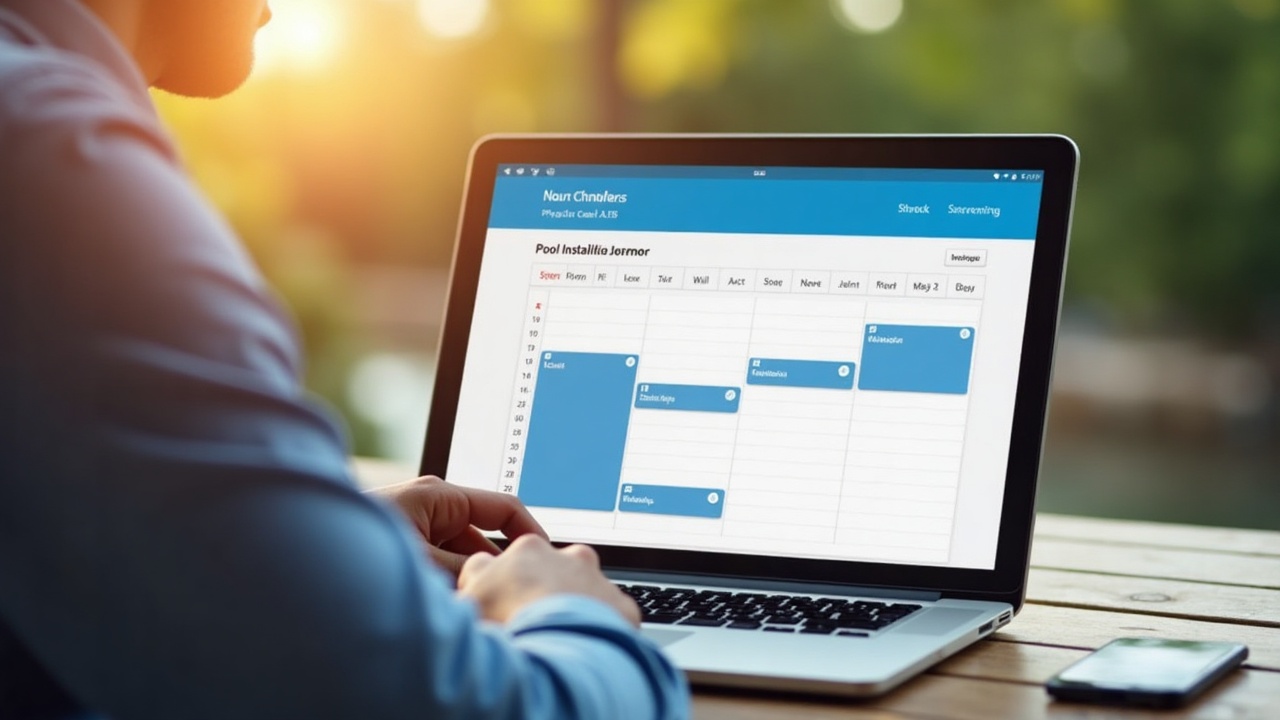
There's a better way. Book All Leads gives you a full front office team — six roles working around the clock to answer every call, qualify every lead, and book every appointment into your calendar. You're live in five days. No software to learn, no staff to manage, no phones bouncing to voicemail while you're finishing a liner install. Just a team that picks up in two rings and makes sure you're the first callback every time.
What a 5-Minute Callback Actually Sounds Like
A fast callback isn't about breathless urgency or desperation. It's about professionalism and respect for the homeowner's time. When you call back in five minutes, the conversation is still fresh. They're still comparing options. They haven't mentally committed to the builder who called back first yet — but they're getting close. Your job is to sound organized, interested, and ready to help.
Here's what a winning callback sounds like within five minutes:
"Hi, this is Sarah calling back from [Your Pool Company]. You reached out about 10 minutes ago asking about an inground pool install — thanks so much for thinking of us. Do you have a quick minute to talk through what you're looking for, or would later today work better?"
Compare that to the callback you make two hours later, when the homeowner has already booked two site visits and mentally moved on:
"Hi, this is [Your Name] from [Your Pool Company], returning your call from this morning about a pool. Are you still looking for quotes?"
The second version sounds like you're chasing. The first version sounds like you're collaborating. That difference wins jobs.
How Pool Builders Who Win on Speed Structure Their Day
The pool companies that consistently beat competitors on callback speed don't rely on willpower or luck. They structure their operations so that someone is always responsible for the phone, and that person isn't the one swinging a shovel or running conduit. This doesn't mean the owner stops working in the field — it means the owner stops being the only point of contact for new business.
Winning pool companies separate revenue-generating activities (selling and building pools) from revenue-protecting activities (answering the phone so you don't lose the sale). That requires either a dedicated office person during business hours and a call-handling service after hours, or a team that covers all hours without requiring you to hire, train, and schedule multiple people.
Do Voicemail and Text-Back Messages Work for Pool Leads?
No. Voicemail-to-text services and auto-reply texts buy you 60 seconds of patience, not 60 minutes. A homeowner who gets an automated "we'll call you back soon" message will keep calling other builders while they wait. By the time you actually call back, they've already spoken to two live humans who sounded available, interested, and ready to schedule. Your text-back message didn't save the lead — it just delayed the moment you found out you lost it.
Homeowners expect to talk to a person when they're spending $60,000. Anything less feels like you're too busy for their business, which makes them wonder if you'll be too busy to finish their project on time next summer.
The Real Cost of "I'll Call Them Back After This Job"
Every pool builder has said it: "I'll call them back after I finish this pump install." That sentence has cost the industry hundreds of millions in lost revenue. Not because the intention is bad, but because "after this job" turns into two hours, and two hours turns into a lost lead. The homeowner doesn't know you're elbow-deep in a filter rebuild. They just know you didn't call back and your competitor did.
According to research from Harvard Business Review, 35-50% of sales go to the vendor who responds first — not the vendor with the best product, the lowest price, or the most experience. First response wins because it signals competence, availability, and interest. In pool installation, where projects book months in advance and customers are shopping during a narrow seasonal window, being second to respond is the same as not responding at all.
Here's the pattern that's costing you installs: You finish a service call at 11:45 AM. You see two missed calls. You think "I'll grab lunch and call them back by 1 PM — that's still same-day, that's good service." But the homeowner called you at 10:20 AM. They also called two other builders. One called back at 10:27 AM and booked a site visit for Wednesday. The other called back at 11:10 AM and is now the backup option. When you call at 1 PM, you're третий choice. They'll be polite, but you're not getting the job unless the first two builders massively screw up the estimate.

What to Do Starting Tomorrow Morning
You can't fix callback speed by trying harder. You're already working 60-hour weeks. The solution is structural: someone else has to own the phone. If you're not ready to hire a full office team, you have two realistic options that actually work.
Option 1: Hire a dedicated office person and accept the gaps. Bring on someone part-time or full-time whose job is answering phones, qualifying leads, and managing your calendar. This works during business hours Monday through Friday. It doesn't work at 6 PM on Thursday when a homeowner calls after work, or Saturday morning when families are planning their backyard projects. You'll capture more leads than you do now, but you'll still lose evening and weekend calls to competitors who have better coverage.
Option 2: Hand the entire front office to a team that works around the clock. A full front office team answers every call in two rings, qualifies the lead, books the site visit, sends confirmations, and follows up until the appointment happens. You get 24/7 coverage, nights and weekends included, without hiring anyone or learning new software. You show up to pre-qualified appointments that are already on your calendar. This is what a managed front office actually does — and it's how pool builders who are booked four months out stay booked.
How Installation Leads Are Different After Hours and on Weekends
Here's a reality most pool builders miss: the highest-intent installation leads call outside business hours. Why? Because that's when homeowners have time to research, compare, and make calls without their boss watching. A homeowner who calls you at 7 PM on a Tuesday or 10 AM on a Saturday isn't casually browsing — they're actively shopping and ready to book consultations this week.
If your phone goes to voicemail after 5 PM or all weekend, you're missing the exact leads most likely to close. According to data from Vendasta, 67% of customers say they've hung up on a business out of frustration when they can't reach a real person. For a $55,000 pool install, that frustration costs you the entire project. The homeowner doesn't leave a voicemail and wait patiently — they call the next builder on the list, and that builder's wife picks up from the couch.
After-hours coverage isn't a luxury for pool companies. It's the difference between a mediocre season and a record-breaking one. The builders who answer nights and weekends close 30-40% more installation work than competitors with identical pricing and capabilities who only answer 9–5.
Why This Problem Gets Worse Every Year
Customer expectations around response time have collapsed over the last five years. A homeowner who would have waited 24 hours for a callback in 2018 now expects a response in under an hour — and they're comparison shopping while they wait. The National Association of Home Builders reports that remodeling and specialty trade contractors face increasing competition as homeowners get more comfortable vetting and hiring contractors online, often calling 4-6 companies for a single project.
That means every year, the window to capture a lead gets smaller. What worked in 2020 — calling back the same day — loses to competitors calling back in 20 minutes in 2025. Pool builders who don't adapt to speed-to-lead expectations will watch their close rates drop every season, even if nothing else about their business changes.
Frequently Asked Questions
How fast do I really need to call back a pool install lead?
Under five minutes is the goal. Leads contacted within five minutes are 21 times more likely to qualify than those contacted after 30 minutes. For pool installs, where homeowners call multiple builders at once, the first company to respond almost always gets the site visit appointment. If you're consistently calling back in under 10 minutes, you'll outperform 80% of your competitors.
Can I use a generic answering service for pool installation leads?
Generic answering services take messages but rarely qualify leads or book appointments. They'll answer the phone, but the homeowner still has to wait for you to call back — which defeats the purpose. You need a team that can have a real conversation, understand what the customer is looking for, check your calendar, and book the site visit while the homeowner is still on the phone. That's not message-taking; that's front office work.
What if I'm on a job site and can't take calls — won't customers understand?
They'll understand, but they'll still book with the competitor who picked up. Homeowners aren't trying to be difficult — they're just moving through their to-do list. If they call three pool builders and two answer immediately, those two get the appointments. It's not personal; it's practical. Your job is to make sure you're one of the two who answered, not the one who called back later.
How many pool install leads am I actually losing to slow callbacks?
Most pool builders lose 40-60% of inbound install leads to callback delays. If you're getting 10 install inquiries per week and only closing 2-3 of them, slow response time is likely the biggest factor. Track how long it takes you to return each call for two weeks — if the average is over 30 minutes, you're losing at least half your leads before you ever talk to them.
Is it worth hiring someone just to answer phones for my pool company?
If you're getting more than 15-20 install leads per month, yes — but only if that person works nights and weekends too, which means you're really hiring multiple people or paying overtime. A dedicated office person who only works 9-5 weekdays will capture daytime leads but miss evening and weekend calls, which are often your highest-intent buyers. The math works when you have true 24/7 coverage, not partial coverage.
What happens to leads who reach voicemail after hours?
Most don't leave a message — they call the next pool builder. Of those who do leave a message, 70% will have already booked with a competitor by the time you call back the next morning. After-hours voicemail is where six-figure installation projects go to die. If you're serious about growing install revenue, after-hours coverage isn't optional.
Stop Losing Installs to Competitors Who Just Pick Up the Phone
You didn't get into the pool business to lose $50,000 projects because you were too busy installing pools to answer the phone. But that's exactly what's happening every week — homeowners are calling, your competitors are answering, and you're finding out you lost the lead two hours too late. The solution isn't working harder or checking your phone more obsessively. The solution is letting someone else own the front office while you own the builds.
Book All Leads gives you a full front office team that answers every call in two rings, qualifies every lead, and books every site visit into your calendar — 24 hours a day, 7 days a week. You're live in five days. No contracts, no software to learn, no phones bouncing to voicemail while you're finishing a skimmer install. Just a team that makes sure you're always the first callback, every single time.
John Edmonds is a native Texan and military combat veteran. He founded Book All Leads after identifying a critical gap in the service industry: business owners losing revenue not from lack of skill, but because no one was handling the calls, follow-ups, reviews, and payments while they were busy doing the work.
View LinkedIn Profile →