
Introductory Paragraph
Swimming pool companies lose swimming pool opening leads every spring because they can't answer the phone fast enough when hundreds of pool owners call in the same three-week window. When temperatures first hit 75 degrees, your phone explodes with requests to open pools for the season—but if you're on a job site or already on another call, those callers immediately dial the next company on Google. The pool owner who reaches a live person first books the appointment, and you never even know they called. During the pool opening season, the difference between answering in 30 seconds versus 5 minutes isn't just one lost lead—it's 20 to 40 jobs that pay $200-$400 each, gone to competitors who simply picked up faster.
The Problem: Spring Pool Service Leads Vanish in Minutes
Pool opening season compresses six months of demand into three weeks. When the weather shifts, every pool owner in your service area realizes at the same moment that they need to schedule their opening. They call 3-4 companies in rapid succession, and whoever answers first gets the booking. According to InsideSales.com, leads contacted within five minutes are 21 times more likely to convert than leads contacted after 30 minutes—but in pool service, the window is even tighter because customers aren't waiting around for callbacks.
Here's what actually happens during the seasonal rush:
- Monday: Temperature hits 73 degrees for the first time. Your phone rings 40 times. You answer 12 calls between jobs. The other 28 go to voicemail.
- Tuesday: You return yesterday's voicemails. Twenty-three people have already booked with someone else. Five don't answer when you call back.
- Wednesday: Another 50 calls. You're underwater, scrambling to keep up with the jobs you did manage to book. Your calendar is filling, but nowhere near capacity—because you're not capturing even half the inbound demand.
The cruel irony? You're busier than ever, working longer hours, and still losing $15,000 to $20,000 in revenue that called you directly. Pool owners wanted to hire you. They had your number. They just couldn't reach you, so they moved on.
Here's what most articles won't tell you: The problem isn't that you need more leads. During pool opening season, you have more leads than you can handle—they're just disappearing before you can convert them. Most pool companies chase more advertising spend, better SEO, or pay-per-lead services when the real issue is that they're hemorrhaging the demand they already have. The businesses that dominate spring aren't the ones spending the most on marketing—they're the ones who answer every single call while it's still ringing.
Why Pool Companies Can't Keep Up During Peak Season
You built your business around field work, not phone work. Most pool service companies start with one truck, one owner, and a cell phone. That model works fine for nine months of the year when calls trickle in steadily. But it collapses under the weight of spring's demand spike because you physically cannot be in two places at once.
You're On-Site When the Phone Rings
When you're opening a pool, you're hauling equipment, balancing chemicals, cleaning filters, and troubleshooting pumps. You can't stop mid-job to have a detailed conversation about scheduling, pricing, and service packages. Even if you do answer, you sound rushed—and the customer hears it. They want to feel like their job matters, not like they're interrupting your day.
Your Team Is Just as Busy
If you've hired technicians, they're facing the same problem. They're focused on the work in front of them, not fielding calls about jobs they haven't started yet. Asking field staff to handle incoming leads while they're opening pools creates two problems: they do neither task well, and your best technicians start to resent playing receptionist.
Voicemail Is Where Leads Die
Pool owners don't leave voicemails expecting you'll call back—they leave them out of politeness while they dial the next company. By the time you return the call three hours later (or the next morning), they've already scheduled with someone who answered on ring two. The data backs this up: according to Vendasta, 78% of customers choose the business that responds first, not the one with the best price or reputation.
The Hidden Cost: Calculate Your Losses This Spring
Most pool companies underestimate what missed calls actually cost them during pool opening season. Let's break down the real numbers. If your average pool opening costs $300 and you get 200 calls during the three-week spring rush:
- Calls answered live: 80 (40% answer rate)
- Conversion rate on answered calls: 70% (56 bookings)
- Calls that went to voicemail: 120
- Voicemails that convert: 15% (18 bookings)
- Total bookings: 74 out of 200 possible
- Lost revenue: 126 jobs × $300 = $37,800 gone
That's not counting the repeat service revenue those customers would have generated for weekly maintenance, repairs, and closings. The lifetime value of a pool customer averages $2,400 to $3,600 over three years, according to industry benchmarks. Missing 126 customers in one spring can cost your business more than $300,000 over the next three seasons.
Want to see what you're actually losing? Calculate your losses based on your call volume and service prices.
The Fix: Capture Every Lead While Competitors Miss Calls
The pool companies that win spring aren't working harder—they've solved the phone problem. They've separated answering from doing. While their competitors are letting calls roll to voicemail, they're booking every job that comes in because someone is always available to answer, quote, schedule, and confirm.
Book All Leads gives you a full front office team—six roles working around the clock to answer every call, book every job, and follow up with every lead. There's no software for you to learn, no dashboard to manage, no scripts to write. Your team is live in five days, answering calls in your company's name, booking directly into your calendar, and collecting job details so you show up to every site ready to work.
Answer Every Call in Under 30 Seconds
Speed is the only competitive advantage that matters during pool opening season. When your front office team answers every call in seconds—while you're on a job site—you book the customer before your competitor's phone stops ringing. You don't need to be faster than five minutes. You need to be faster than the next name on their list, and that window is often 90 seconds or less.
Book Jobs on the Spot, No Callbacks Required
Callbacks don't work during the seasonal rush because customers don't wait. Your front office team is trained on your pricing, your service area, your calendar availability, and your service packages. They book the job on the first call—no "let me check with the owner" delays, no "I'll call you back tomorrow." The conversation ends with a confirmed appointment, not a maybe.
Extend Your Hours Without Hiring
Pool owners call when they think about their pool—early morning before work, evenings after dinner, weekends when they're planning their summer. If you're only available 9-to-5 on weekdays, you're missing 40% of your inbound demand. A front office team that works evenings and weekends captures leads your competitors don't even know exist.
What to Do Right Now (Before the Rush Hits)
Seasonal pool businesses have a narrow window to prepare. Once the phone starts ringing, it's too late to fix your process. Here's what winning pool companies do before spring:
Track your current answer rate: For the next week, log every inbound call and note whether it was answered live or went to voicemail. Most pool companies are shocked to discover they're only answering 30-40% of calls.
Calculate capacity vs. demand: Look at last spring's call volume and compare it to how many jobs you actually completed. The gap between those numbers is your revenue leak.
Set up a front office team before March: Don't wait until the phone is ringing off the hook. Pool companies that wait until April to fix their phone problem lose the first two weeks of the rush—the highest-margin period when desperate pool owners will pay premium rates.
Stop relying on voicemail: If your current process assumes customers will wait for callbacks, you're losing half your leads by design. Voicemail is not a plan—it's a filter that selects for the least motivated buyers.

Why Pay-Per-Lead Services Fail Pool Companies
Many pool service companies turn to pay-per-lead platforms when they realize they're missing calls. These services promise a steady stream of customers, but they create more problems than they solve for seasonal pool businesses.
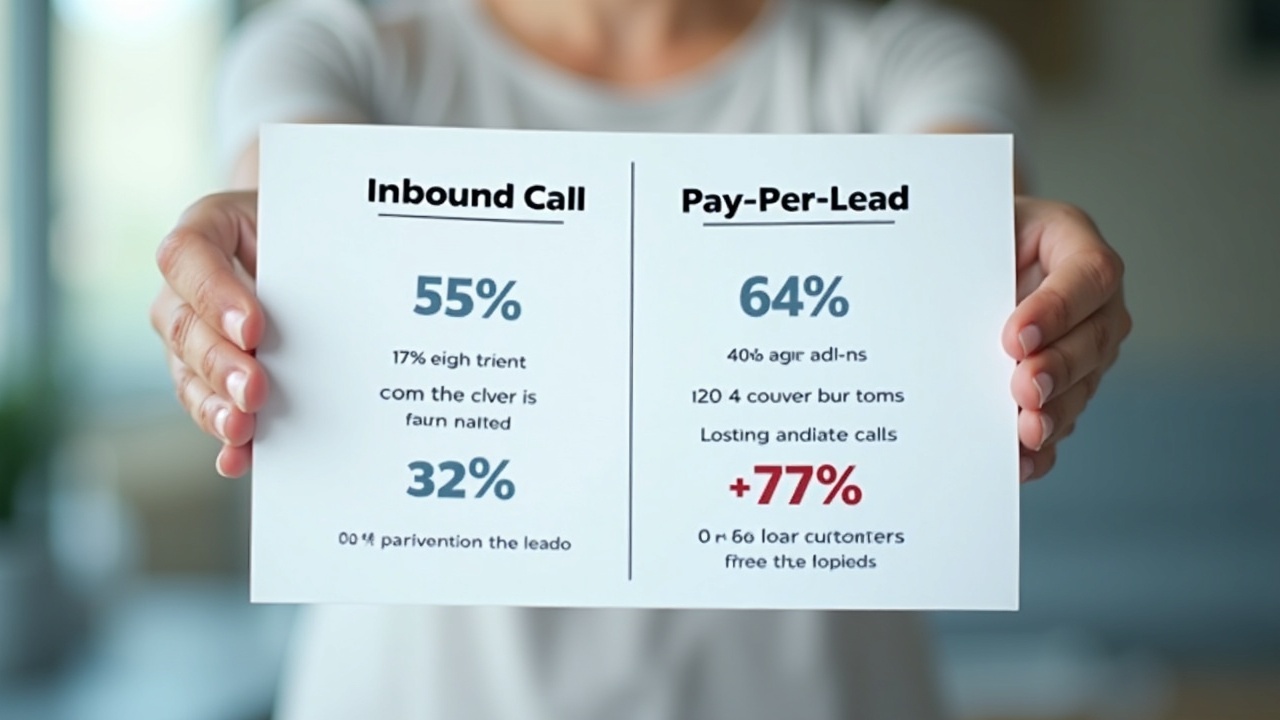
Pay-per-lead services send you the same lead they're sending to 3-4 competitors. You're not competing on speed anymore—you're competing on who can drop everything to call a stranger who's already talking to your competition. Even worse, these platforms charge $30-$80 per lead whether the customer books or not. During pool opening season, you're already sitting on more inbound demand than you can handle. Paying for additional leads while you're missing your own calls is like buying groceries while your fridge rots.
The math doesn't work. If you're missing 120 calls per spring (as in our earlier example), you're losing $37,800 in revenue from people who already wanted to hire you. Buying 120 leads from a pay-per-lead service would cost $3,600 to $9,600 and convert at a fraction of the rate your own inbound calls would—because those leads aren't warm, they're shopping.
Real Example: How One Pool Company Recovered $40K in One Spring
A pool service company in Charlotte, North Carolina, was getting crushed every spring. The owner, Mike, ran two trucks and employed three techs. He knew he was missing calls, but he didn't realize how bad it was until he checked his phone records. In April alone, 130 calls went unanswered. He returned what voicemails he could, but only converted 12 of them into jobs.
Mike brought in a front office team in March, before the next spring rush. When April rolled around, every call was answered. His booking rate jumped from 18% of total calls to 73%. He went from 30 pool openings the previous spring to 94 openings the next year—without changing his pricing, his advertising, or his service quality. The only difference was answering the phone.
The result? An additional $19,200 in opening revenue that spring, plus $67,000 in maintenance contracts over the following year from those same customers. Mike didn't expand his business by working harder. He expanded it by capturing demand he was already generating.
What Makes This Different from Hiring a Receptionist
Most pool companies can't justify hiring a full-time receptionist. The math doesn't work outside of pool opening season—you'd be paying someone $35,000 a year to answer 10 calls a day for nine months. But seasonal pool businesses need a solution that scales with demand.
A full front office team flexes with your volume. During the spring rush, you've got capacity to handle 50+ calls a day. In the off-season, you're not paying for staff you don't need. The team books jobs, follows up on quotes, confirms appointments, handles reschedules, and collects payment details—all the work a receptionist would do, plus the specialized knowledge of pool service pricing, seasonal scheduling, and customer objections specific to your trade.
And unlike a single receptionist, a front office team doesn't take lunch breaks, doesn't call in sick, and doesn't quit in July. You're live 24/7 with no gaps, no training curve, and no payroll taxes. For a seasonal business, that's the difference between surviving spring and dominating it.
FAQ: Swimming Pool Opening Leads
How fast do I need to respond to pool opening leads?
You need to answer within 30-60 seconds during pool opening season. Customers are calling multiple companies back-to-back, and the first company that answers and can confirm a time slot books the job. Waiting even five minutes drops your conversion rate dramatically, because the caller has already moved on to the next name on their list.What percentage of pool opening calls should I expect to book?
If you answer calls live, you should book 60-75% of inbound pool opening inquiries. If calls go to voicemail, expect 10-20% conversion from callbacks. The difference isn't your sales skill—it's timing. Customers who reach a person immediately are ready to commit. Customers you call back hours later have usually already booked.Should I pay for pool opening leads if I'm already missing my own calls?
No. Fix your answer rate first. Paying for leads while you're missing inbound calls is throwing money away. Pool opening season generates more organic demand than most companies can handle—the bottleneck isn't lead generation, it's lead capture. Once you're answering and booking 90%+ of your own calls, then consider whether you need additional volume.How do I know how many calls I'm actually missing?
Check your phone records or use call tracking. Most pool companies don't realize how many calls they're dropping until they see the data. Compare total inbound calls to calls you actually answered and had a conversation with. The gap is your lost revenue. Expect to be surprised—most service businesses only answer 35-45% of calls during peak periods.Can I train my techs to answer the phone while they work?
You can, but it creates two problems: your techs won't do great work while they're distracted by calls, and they won't do great sales while they're distracted by the job in front of them. Field staff should focus on field work. Asking them to double as your front office guarantees both roles suffer. The companies that grow separate answering from doing.What's the lifetime value of a pool opening customer?
A pool opening customer who converts to ongoing maintenance typically generates $2,400-$3,600 in revenue over three years, including weekly service, chemical sales, repairs, and seasonal closings. Losing a single pool opening lead doesn't just cost you the $250-$400 opening fee—it costs you the multi-year relationship that follows.Stop Losing Pool Opening Leads This Spring
Every pool opening season, thousands of pool service companies watch their phones light up with more demand than they've seen all year—and then watch half of it disappear because they couldn't answer fast enough. The companies that dominate spring aren't the ones with the biggest ad budgets or the flashiest websites. They're the ones who pick up the phone every single time it rings.
Your competitors are missing calls right now. The pool owners who can't reach them are moving down the list, looking for someone—anyone—who will answer and give them a time slot. If you can be that company, you'll book 30, 50, or 100 more jobs this spring without spending a dollar on advertising.
Book All Leads builds and manages your entire front office team—live in five days, no software to learn, no contracts locking you in. We answer your calls, book your jobs, and make sure you never lose another lead to a competitor who just happened to pick up faster. Stop guessing how many calls you're missing. Start capturing every one.
John Edmonds is a native Texan and military combat veteran. He founded Book All Leads after identifying a critical gap in the service industry: business owners losing revenue not from lack of skill, but because no one was handling the calls, follow-ups, reviews, and payments while they were busy doing the work.
View LinkedIn Profile →