
Swimming pool permit approval delays are costing pool builders signed contracts—and deposits. When a customer signs on the dotted line in May expecting an August install, but your team hasn't even submitted the permit paperwork by mid-June, that customer starts taking calls from competitors who promise faster timelines. The gap between contract signing and permit approval is where most pool companies lose deals they thought were already won. Speed during this phase isn't just about construction efficiency—it's about keeping nervous homeowners committed when they're still emotionally vulnerable to buyer's remorse.
The Problem: Customers Ghost Before You Ever Break Ground
You've done the hard part. The estimate impressed them. You closed the sale. The deposit cleared. Then… silence on your end while the homeowner waits. And waits. Meanwhile, they're seeing their neighbor's pool going in across the street with a company that broke ground three weeks after signing.
Here's the pattern: Customer signs contract in early May with an estimated August completion. Your office is slammed with active job sites, so permit paperwork sits for 10 days before submission. The municipality takes another three weeks to review. Now it's mid-June, and the customer hasn't heard a single update since signing. They call twice—once goes to voicemail, once gets a "we'll check on that and call you back" that never comes. By July, they're asking for their deposit back or they've simply stopped responding to your calls about scheduling the start date.
According to InsideSales.com, response times beyond five minutes during the qualification stage reduce conversion dramatically—but the vulnerability doesn't end at contract signing. The permit approval window is a second critical period where communication gaps trigger buyer's remorse. Homeowners making a $40,000–$80,000 purchase decision remain emotionally fragile until they see visible progress. Every week of silence is a week they're reconsidering.
Why Swimming Pool Permit Approval Becomes a Competitive Weak Point
The swimming pool permit approval process isn't slow because municipalities hate pool builders. It's slow because most pool companies treat it as an administrative afterthought instead of a sales-critical milestone. The problem isn't the permit itself—it's how your front office handles the coordination, communication, and follow-up during those 3-6 weeks between signature and approval.
Most pool installation companies run into these bottlenecks:
- Permit paperwork sits waiting for someone to have time: Your admin is answering phones, scheduling site visits, handling payment issues, and chasing down subcontractors. Permit applications get started "when there's time," which means 7-12 days after the contract is signed.
- Municipalities request clarifications or revisions—and nobody sees the email for 48 hours: The building department sends a question about setback measurements. It lands in a shared inbox. By the time someone notices and responds, another three days are gone.
- Customers hear nothing and assume nothing is happening: Even when permits are moving forward, homeowners receive zero proactive updates. Silence reads as inaction. Inaction triggers panic. Panic leads to the customer calling competitors to "just get a second opinion on timeline."
- Competitors with faster coordination steal signed deals: The pool company that submits permits within 48 hours and sends weekly updates doesn't just look more professional—they keep the customer emotionally committed through the waiting period.
The pool build schedule starts the moment the contract is signed, not when the excavator shows up. Every day of delay in the pool permit process is a day your competitor can use to poach a deal you thought was closed.
How Faster Permit Coordination Protects Your Deposits
The companies that rarely lose signed customers during permitting treat the approval window as a sales retention phase, not just paperwork. They understand that speed and communication during this stretch are what separate a locked-in customer from one who's already on Yelp looking for alternatives. Faster swimming pool permit approval isn't about bribing inspectors—it's about ruthless internal coordination.
Here's what changes when permit coordination is handled like a front-office priority:
Permit applications go out within 24-48 hours of contract signing. Not when someone "gets around to it." Not after the site visit. Immediately. The engineering drawings are already templated. The site specs are captured during the estimate. There's no reason paperwork should wait a week unless nobody's job is to make it happen fast.
Every municipality response gets monitored and answered same-day. Building departments send revision requests, ask for clarifications, or flag missing documentation. When those messages sit unanswered for 72 hours, your approval timeline doubles. Companies that protect their pool installation timeline assign someone to check permit status daily and respond to every request within four hours.
Customers receive proactive updates every 4-6 days. A two-sentence text or email: "Permit submitted Monday. Reviewed by the county—waiting on engineering sign-off. Still on track for late July start." That's it. It takes 90 seconds and eliminates 80% of the anxious phone calls and all of the "I haven't heard anything so I'm assuming you forgot about me" ghosting.
Here's what most articles won't tell you: The homeowner doesn't care whether the holdup is on the municipality's side or yours. If they're not hearing updates, they assume you're disorganized, overbooked, or regretting the deal. Proactive communication during permitting isn't customer service—it's deposit protection. Silence costs you revenue.

For pool builders stretched thin across active job sites, the constraint isn't knowing what to do—it's having the front office capacity to do it consistently. That's where operators are turning to solutions like Book All Leads, which provides a full front office team handling permit follow-up, customer updates, and coordination calls without requiring the owner to hire, train, or manage additional staff. The team monitors permit status, responds to municipality requests same-day, and keeps customers informed throughout the approval window—so signed deals stay signed.
Real-World Example: How One Pool Company Stopped Losing Deposits During Permitting
A 12-employee pool installation company in Florida was losing 15-20% of signed contracts during the permit phase. Customers would sign in April or May, hear nothing for three weeks, then either demand refunds or stop answering calls when the permit finally cleared. The owner knew the issue was communication, but his two office staff were already underwater answering quote requests and scheduling crews.
The breaking point: A $68,000 install—signed, deposit paid—ghosted in week four of permitting. The customer had called twice asking for updates, got vague responses, and eventually hired a competitor who had called them cold with a "we can start in three weeks" pitch. The original builder didn't even know the deal was dead until the customer's bank reversed the deposit.
The fix: The company handed all permit coordination and customer communication to a dedicated team that treated the approval window as a retention project. Permits were submitted within 48 hours of signing. Every municipality response was answered same-day. Customers received a text update every Monday and Thursday—even if the update was just "still waiting on county review, no action needed from you."
The outcome: Over the next season, deposit losses during permitting dropped to under 3%. Customers stopped calling anxiously because they were hearing from the company first. The team's capacity to handle more quotes increased because they weren't spending 90 minutes a day fielding "have you submitted my permit yet?" calls. And the owner stopped losing sleep over signed contracts evaporating during the waiting period.
What Your Front Office Should Be Doing During Permit Approval
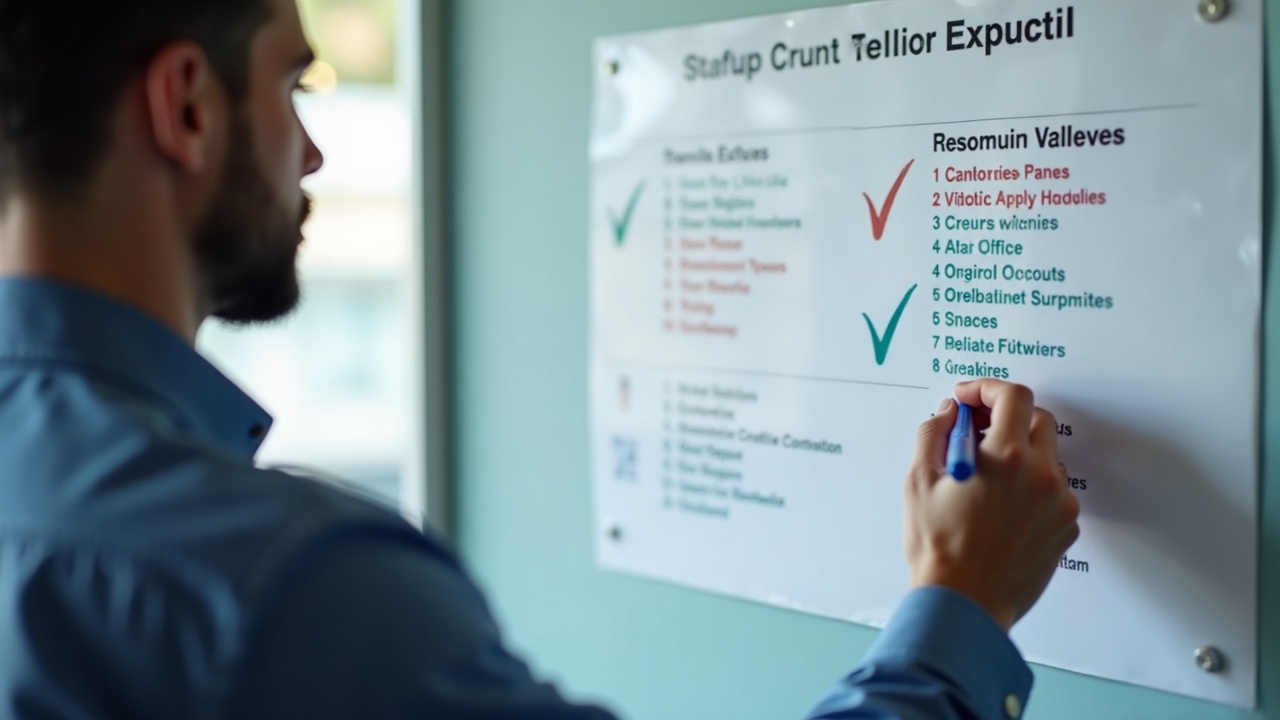
If you want to protect signed deals during the swimming pool permit approval window, your front office needs to treat this phase as actively as they treat the sales process. Here's what that looks like operationally:
Submit Permit Applications Within 48 Hours of Contract Signing
No exceptions. The paperwork is straightforward. Engineering drawings should be templated. Site measurements are captured during the estimate. If permits aren't going out within two days, the constraint is workload or process—not complexity. Assign this task to a specific person with a specific deadline.
Check Permit Status With the Municipality Every 2-3 Days
Don't wait for the building department to call you. Most permit delays happen because the municipality sent a question via email that sat unanswered. Proactive follow-up cuts approval time in half and catches issues before they snowball.
Send the Customer a Proactive Update Twice Per Week
Even if nothing has changed. "Permit still under review—no news yet, but we're monitoring it daily. Will update you Thursday." That message takes 60 seconds to send and eliminates the customer's fear that you've forgotten about them. You can calculate your losses from deals that ghosted during permitting—it's usually 10-15% of signed contract value annually for builders who don't prioritize communication.
Respond to Any Customer Question Within Four Hours
When a homeowner texts or calls asking about permit status, timeline changes, or next steps, they're not just curious—they're testing whether you're still engaged. A 24-hour delay signals disorganization. A four-hour response signals reliability. During the permit window, response speed is a trust signal.
Why Most Pool Builders Can't Execute This Consistently
Every pool company owner knows communication during permitting matters. The issue isn't awareness—it's capacity. Your office staff is already handling inbound quote requests, scheduling site visits, coordinating with electricians and inspectors, chasing down payments, and managing the owner's calendar. Adding "check permit status daily and send customer updates twice a week" to that workload doesn't happen consistently, no matter how many times you remind them.
According to the National Association of Home Builders, specialty trade contractors—including pool builders—report administrative workload as the second-largest constraint on growth after labor shortages. The work that protects revenue during permitting isn't complex, but it requires dedicated attention that most small office teams simply don't have bandwidth for.
You have three options: Hire another full-time admin (expensive, slow to train, adds management overhead). Let permit coordination remain inconsistent and accept 10-15% deposit losses during the approval window. Or hand the entire front office function—permit follow-up, customer updates, scheduling, payments—to a team built to handle it.
The companies protecting their signed contracts during permitting aren't working harder—they're delegating the coordination to people whose only job is making sure nothing slips.
The Cost of Losing Deals You've Already Closed
When a signed customer ghosts during permitting, you don't just lose the deposit. You lose the 20-30 hours of estimate prep, site visits, design revisions, and closing effort that went into landing that contract. You lose the revenue you were counting on for that install slot. And you lose the referrals and reviews that job would have generated.
If you close 60 installs per year at an average contract value of $50,000, and 12% of signed customers bail during permitting, that's 7.2 lost deals annually. That's $360,000 in revenue you sold but never built. The fix isn't better sales technique—it's better permit coordination and communication during the approval window.
Most pool builders dramatically underestimate how many signed deals they're losing between contract and groundbreaking because those losses don't show up as "lost bids"—they show up as refunded deposits, ignored start-date calls, and mysterious cancellations. Track it for 90 days. Count every signed contract that doesn't make it to excavation. The number is higher than you think.
What Faster Permit Approval Actually Unlocks
When your front office treats permit approval as a sales-critical milestone instead of paperwork, three things change immediately. First, your pool installation timeline shortens by 8-14 days on average—not because the municipality works faster, but because your team submits faster and follows up consistently. Second, customer anxiety drops to near-zero because they're hearing from you before they have to chase you. Third, your close rate effectively increases because signed deals stop evaporating during the waiting period.
The pool companies winning installations in competitive markets aren't offering lower prices or flashier designs. They're delivering faster timelines and better communication during the phase where most competitors go silent. That's it. Speed during swimming pool permit approval is a competitive moat that costs nothing to build—if you have the front office capacity to execute it.
If you're serious about protecting the deals you've already closed, visit Book All Leads to see how a full front office team can handle permit coordination, customer updates, and all the administrative work that's keeping your signed customers locked in—without adding headcount or management overhead. You've already done the hard part of closing the sale. Don't lose it in the waiting room.
Frequently Asked Questions
How long does swimming pool permit approval usually take?
Most municipalities take 2-6 weeks to approve pool permits, depending on workload, complexity, and how quickly the builder responds to any requests for revisions or clarifications. Delays often come from incomplete applications or slow follow-up, not the municipality itself. Builders who submit complete applications within 48 hours of contract signing and monitor status daily typically see approvals in 2-3 weeks.
What can delay a pool permit approval?
Common delays include incomplete or incorrect applications, missing engineering stamps, setback or easement issues, utility conflicts, and slow responses to municipality questions. Most delays are avoidable with proactive coordination and same-day responses to any requests from the building department.
Can I speed up the permit approval process?
You can't force the municipality to move faster, but you can eliminate internal delays. Submit permits within 48 hours of contract signing, ensure all documentation is complete and accurate, respond to any municipality requests within 24 hours, and follow up proactively every 2-3 days. These steps typically cut total approval time by 30-50%.
Do customers really cancel during the permit waiting period?
Yes. Industry data shows 10-15% of signed pool installation contracts are lost between signing and groundbreaking, primarily due to poor communication during permitting. Customers interpret silence as disorganization or lack of commitment, which triggers buyer's remorse and makes them vulnerable to competitor outreach.
How often should I update customers during permit approval?
Every 4-6 days, even if there's no significant change. A simple text or email confirming that permits are progressing and providing the next expected milestone is enough. Proactive updates eliminate anxious customer calls and prevent the "I haven't heard anything so I'm reconsidering" spiral that leads to cancellations.
What's the biggest mistake pool companies make during permitting?
Treating permit approval as a passive waiting period instead of an active sales retention phase. The gap between contract signing and groundbreaking is when customers are most vulnerable to buyer's remorse. Companies that go silent during this window lose deals they thought were already won.
John Edmonds is a native Texan and military combat veteran. He founded Book All Leads after identifying a critical gap in the service industry: business owners losing revenue not from lack of skill, but because no one was handling the calls, follow-ups, reviews, and payments while they were busy doing the work.
View LinkedIn Profile →