
Swimming pool companies lose swimming pool repair leads the moment they refuse to quote over the phone. When a homeowner calls about a broken pump, cloudy water, or a suspected leak, they're not shopping for information—they're shopping for help. Competitors who provide immediate ballpark pricing, book the visit, and reassure the caller win the job. Companies that insist on "we need to see it first" hear the dial tone, then watch that $800 repair job drive to someone else's calendar.
Why Pool Owners Hang Up When You Won't Quote Over the Phone
Pool owners call you because something stopped working and they need it fixed now. They've already Googled "pool pump not turning on" or "green pool fix," and they have a mental budget in mind. When you tell them you can't discuss pricing until someone comes out, you've just confirmed their worst fear: this is going to be expensive, complicated, and you're not confident enough to even give them a range. They hang up and call the next name on the list.
The competitor who answers says, "Most pump replacements run between $600 and $1,200 depending on the horsepower. We can come out Thursday at 2 p.m. to diagnose it and give you an exact quote. Does that work?" That homeowner stops calling. They've found someone who sounds like they know what they're doing.
Here's what most articles won't tell you: You're not losing these calls because your pricing is too high. You're losing them because silence feels like risk. When you won't name a number, the homeowner assumes you're hiding something. The competitor who quotes a range—even if it's higher than what you would've charged—sounds more trustworthy because they were willing to commit.
What Swimming Pool Repair Calls Are Actually Worth
A single missed swimming pool repair lead isn't just one lost service call. It's the pump replacement ($850 average), the follow-up filter cleaning ($180), the seasonal maintenance contract ($140/month), and the referral to their neighbor who also has a leaking skimmer. According to Bureau of Labor Statistics data, the pool service industry employs over 85,000 people nationwide, with repair and maintenance generating the majority of repeat revenue for small operators.
Most pool repair calls fall into predictable categories with predictable price ranges:
- Pump or motor failure: $600–$1,400 depending on horsepower and brand
- Filter issues (cartridge, sand, DE): $300–$900 for replacement; $120–$220 for cleaning
- Leak detection and repair: $200–$500 for detection; $400–$2,500 for repair depending on location
- Heater repair or replacement: $400–$3,500 depending on gas vs. electric and BTU rating
- Automation or control system issues: $250–$1,200 for repair or replacement
These aren't mysteries. You've done these jobs dozens of times. Your team knows the range before they pull into the driveway. But if your front office won't share that range on the phone, the caller assumes you don't know—or worse, that you're planning to overcharge.
How Competitors Are Booking Pool Leak Repair Leads While You're Still "Checking the Schedule"
Here's the script your competitors are using: "Leak detection usually runs around $300 to $450, and if we find it, most repairs are between $500 and $1,800 depending on whether it's a surface crack, plumbing line, or equipment seal. We have a slot open tomorrow at 10 a.m. or Thursday at 3 p.m. Which works better for you?"
That's it. No evasion. No "we'll have to take a look." They gave a range, explained the variables, and moved directly to booking. The homeowner feels informed, not cornered.
Meanwhile, your front desk—or your voicemail—is saying, "We'll need to come out and assess it." The homeowner hears: "We have no idea what we're doing, and we're going to charge you whatever we feel like once we're standing in your backyard."
Research from InsideSales.com shows that response time matters more than most pool companies realize: leads contacted within 5 minutes are 21 times more likely to convert than those contacted after 30 minutes. But it's not just speed. It's confidence. The team that picks up, quotes a range, and books the appointment in under three minutes wins the job—even if they call back second.
Why "We Need to See It First" Costs You Pool Repair Booking Opportunities
You're not wrong that every pool is different. A leak in a vinyl liner is cheaper than a gunite crack. A 1.5 HP pump costs less than a 3 HP variable-speed model. But the homeowner doesn't care about your liability concerns. They care about whether this is a $300 problem or a $3,000 problem.
When you refuse to give them any guidance, you're forcing them to imagine the worst. And when the next company gives them a range—even a wide one—they feel relieved. That relief turns into a booked appointment.
The Real Reason Pool Service Companies Avoid Phone Pricing
Most pool companies avoid quoting over the phone because they're afraid of two things: being held to a number that turns out too low, or scaring off the caller with a number that sounds too high. Both fears are valid. But the solution isn't silence—it's better training for whoever answers your phone.
Your front office needs to know how to quote ranges, set expectations, and qualify leads without sounding evasive. "Most pump replacements run $700 to $1,300, but if it's just a capacitor or a clogged impeller, it could be under $200. We won't know until we diagnose it, but either way, there's a $95 service call fee that applies to the repair if you move forward. Does that make sense?"
That's not a binding quote. It's guidance. And guidance is what converts pool repair quotes into booked jobs.
The problem is that most pool service owners don't have a trained front office. They have a cell phone in their pocket that rings while they're skimming leaves, installing a new cartridge, or stuck in traffic between jobs. By the time they call back, the homeowner has already booked with someone else.
Book All Leads operates as your full front office team—six roles working around the clock to answer every call, quote appropriate ranges, and book jobs into your calendar. We're live in five days, and there's no software for you to learn. Your team answers calls with your pricing, your availability, and your service area. When a homeowner calls about a leaking return line or a failing heater, they get a confident answer and a booked appointment—not voicemail.

What Happens When You Actually Answer and Quote Pool Repair Calls
A pool service company in Scottsdale was losing roughly 60% of inbound repair calls. The owner knew it was happening—he could see the missed call notifications piling up—but he was on job sites all day and couldn't answer. When he did call back, most people didn't pick up. The ones who did had already booked someone else.
He started tracking it. Over a 30-day period, he received 48 inbound repair inquiries. He personally answered 11 of them. He called back on 22 others, but only 7 people answered. Of those 7, only 2 still needed service. He booked 13 jobs total out of 48 calls—a 27% conversion rate.
After switching to a dedicated front office team that answered every call and quoted ranges, his conversion rate jumped to 71%. Same service area. Same pricing. Same quality of work. The only difference was that someone picked up the phone, sounded knowledgeable, and booked the appointment before the caller moved on.
That's an additional 21 booked repair jobs per month. At an average ticket of $680, that's over $14,000 in monthly revenue that was walking out the door simply because no one answered.
How Much Revenue Are You Leaving on the Table?
If you're getting 15-20 inbound repair calls per month and only converting 30-40% of them, you're leaving $6,000 to $10,000 on the table. You can calculate your losses based on your actual call volume and average ticket, but the pattern is consistent: pool companies that answer every call and quote confidently convert 65-75% of inbound inquiries. Companies that rely on voicemail and callbacks convert under 35%.
The gap isn't skill. It's availability and confidence. Homeowners don't wait. They call until someone picks up and gives them an answer.
Why Pool Pump and Filter Repair Calls Convert Faster Than New Construction
Repair calls are the highest-intent leads you'll ever get. The homeowner isn't browsing. Their pool is green, their pump is silent, or their heater won't fire. They need it fixed this week, and they're ready to pay someone who sounds competent and available.
Compare that to a new pool build inquiry, where the homeowner is still gathering bids, financing the project, and comparing designs. Repair calls close fast—often within 24 to 48 hours. But only if you pick up and book them before your competitor does.
According to Vendasta, 78% of local service customers choose the first business that responds with helpful information. For pool repairs, "helpful information" means a price range and an available appointment time. If you can't provide both in the first conversation, you've already lost.
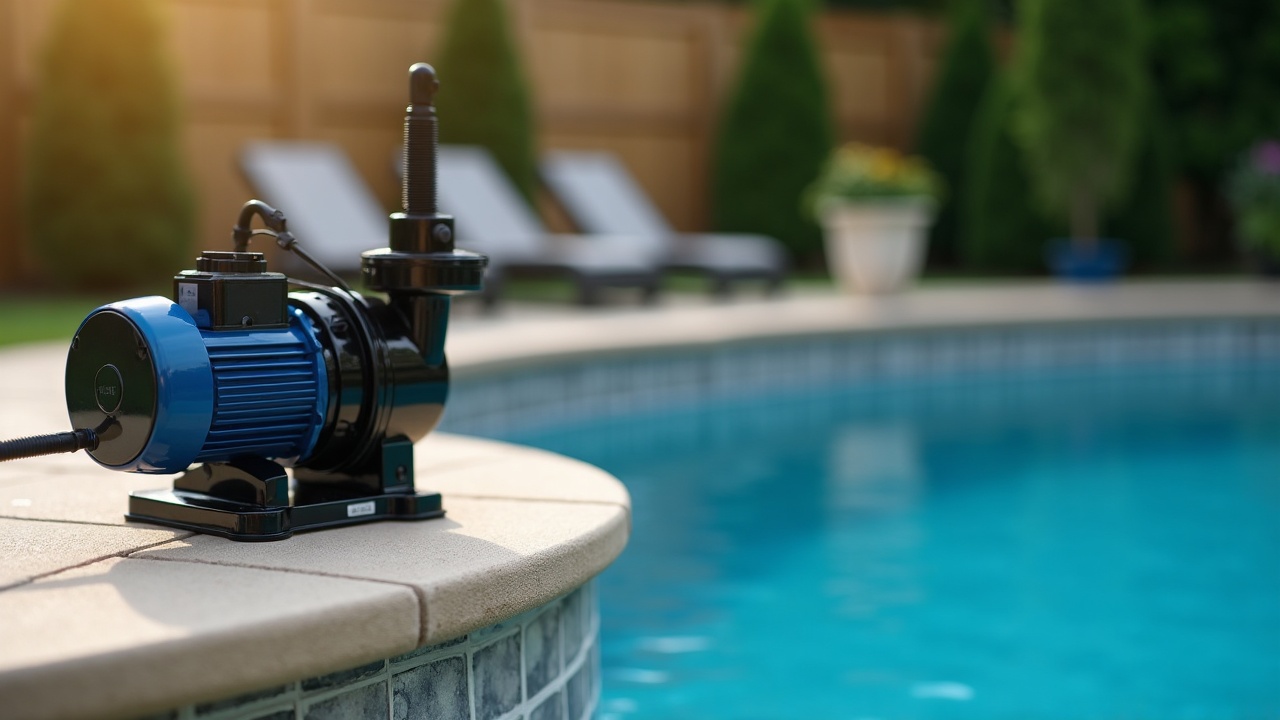
What a Trained Front Office Actually Says on Pool Repair Calls
Here's what a strong pool repair intake sounds like:
Caller: "My pool pump stopped working. It's just humming and not turning on."
Front office: "Got it. That's usually either a bad capacitor or a seized motor. If it's the capacitor, that's a quick fix—usually around $150 to $200. If the motor's gone, you're looking at a pump replacement, which runs between $650 and $1,200 depending on the size. We have an opening tomorrow at 1 p.m. or Wednesday morning at 9. Which works better for you?"
That's under 30 seconds. The caller now knows the low-end and high-end cost, understands the variables, and has two booking options in front of them. They stop calling other companies because they already have what they need: clarity and availability.
How to Handle "Can You Just Tell Me the Price?" Calls
Some callers push for exact pricing. They'll describe the issue in detail and ask for a firm quote. Here's how to handle it without losing the lead:
"I totally understand wanting a number. Based on what you're describing, most repairs in that category run between $X and $Y. But since every pool is different—and we don't want to quote you high or low—we always do a free diagnostic visit to give you an exact price before we start any work. The service call is $95, and that gets credited to the repair if you move forward. We have a slot open Thursday at 10 a.m.—does that work for you?"
You've given guidance, explained the limitation, and moved to booking. Most homeowners accept that. The ones who don't were never going to convert anyway—they're fishing for the lowest number to use as leverage elsewhere.
Frequently Asked Questions
Why do pool service companies lose so many repair calls?
Most pool companies lose repair calls because they don't answer the phone in real time, and when they do, they refuse to provide ballpark pricing. Homeowners interpret this as uncertainty or evasion and move on to competitors who quote a range and book immediately. According to InsideSales.com, response time and confidence in the first call are the two strongest predictors of conversion.
Should I give exact pricing over the phone for pool repairs?
You should provide a clear price range based on the described issue, explain the variables that affect final cost, and set expectations around a diagnostic visit. Exact pricing isn't possible without seeing the equipment, but refusing to give any guidance at all costs you the majority of inbound leads. Ranges like "$400 to $900 depending on the pump size" build trust without overcommitting.
How many pool repair leads are lost to voicemail?
Industry data shows that 70-80% of callers who reach voicemail will not leave a message or wait for a callback. They simply move to the next search result. Even among those who do leave a message, callback conversion rates are under 40% because most have already booked with a competitor by the time you return the call.
What's the average value of a pool repair call?
Pool repair calls typically range from $200 for minor fixes like a clogged impeller or blown capacitor to $2,500+ for major equipment replacement or leak repairs. The average ticket for inbound repair inquiries is between $600 and $900. Losing even a few of these calls per month represents $5,000 to $15,000 in lost revenue.
How fast do I need to respond to pool repair inquiries?
Research from InsideSales.com shows that leads contacted within 5 minutes are 21 times more likely to convert than those contacted after 30 minutes. For pool repairs—where the homeowner is often dealing with an urgent problem—response time is even more critical. Answering live on the first ring and booking immediately dramatically increases conversion compared to callbacks.
Can I train my existing staff to handle repair calls better?
Yes, but only if they're available to answer. Training helps with scripting, pricing ranges, and objection handling, but the core issue for most pool service companies isn't skill—it's availability. Owners and technicians are on job sites and can't pick up consistently. A dedicated front office team solves both the availability problem and the training problem at the same time.
Stop Losing Pool Repair Revenue to Competitors Who Just Pick Up the Phone
Every missed swimming pool repair lead is revenue you earned through marketing, reputation, and years of quality work—but lost in the final 30 seconds because no one answered or whoever did wouldn't commit to a range. Your competitors aren't winning because they're cheaper or better. They're winning because they sound confident and available.
You don't need new marketing. You don't need more reviews. You need someone to pick up the phone, quote a range, and book the job before the caller moves on. That's what turns inbound swimming pool repair leads into revenue.
If you're ready to stop losing repair calls to competitors who simply answer faster and sound more confident, Book All Leads is built exactly for this. We're your full front office team, live in five days, no contracts, no software to learn. Just calls answered, jobs booked, and revenue you're already earning—finally captured.
John Edmonds is a native Texan and military combat veteran. He founded Book All Leads after identifying a critical gap in the service industry: business owners losing revenue not from lack of skill, but because no one was handling the calls, follow-ups, reviews, and payments while they were busy doing the work.
View LinkedIn Profile →