
Swimming pool safety inspection is a mandatory compliance service required by municipalities for new construction, real estate transactions, and rental properties—yet most pool companies miss these calls entirely because they're busy servicing existing pools or closed when the phone rings. These inspection jobs are high-margin, predictable revenue streams that require minimal equipment and generate repeat business from property managers, real estate agents, and landlords, but they evaporate when calls go unanswered or get returned too late.
Why Pool Companies Miss Safety Inspection Revenue
Pool safety inspections represent a consistent revenue stream that operates independently of seasonal maintenance cycles. Unlike pool cleaning or repair work that fluctuates with weather and homeowner demand, compliance inspections are legally mandated events tied to real estate closings, rental certifications, and municipal code enforcement. These jobs arrive on predictable schedules—yet pool companies lose 60-70% of these opportunities before they ever quote a price.
The failure happens at the front door: the phone call. When a property manager needs a pool barrier inspection for a rental certificate renewal, they're working against a deadline. When a real estate agent needs a safety compliance certificate to close escrow, they have 48-72 hours. When a homeowner receives a municipal notice requiring re-inspection after a fence repair, they need someone today.
Here's what most articles won't tell you: Pool safety inspection leads have the shortest tolerance window of any pool service category. According to InsideSales.com, leads contacted within five minutes are 21 times more likely to convert than those contacted after 30 minutes. For compliance work with legal deadlines attached, that window is even narrower. If your competitor answers on ring two and you call back at lunch, you've already lost the job—regardless of your technical expertise or price competitiveness.
The Hidden Cost of Pool Compliance Jobs You Never Knew You Lost
Most pool companies track the inspection jobs they complete but have no visibility into the compliance calls they missed. A missed call doesn't generate a work order, so it never appears in your job costing reports. This creates a false sense of market share—you believe you're capturing your fair portion of local safety inspection work because you're busy with the jobs you have.
The math tells a different story. A metro area with 15,000 residential pools and a 12% annual real estate turnover rate generates approximately 1,800 property transactions per year requiring pool safety inspections. Add rental property annual certifications (roughly 20% of pools are investment properties requiring yearly compliance checks) and municipal enforcement re-inspections, and the total addressable market reaches 2,500-3,000 inspection jobs annually in a mid-sized service area.
If you completed 80 safety inspections last year, you might assume you captured a reasonable share. In reality, you missed 95% of the available compliance revenue in your market. Those inspection calls went to competitors—or more often, to the three pool companies in your area who answer their phones reliably.
Here's the revenue impact on a typical pool service business:
- Average pool safety inspection fee: $175-$285 depending on complexity and travel time
- Time to complete including travel: 45-75 minutes
- Effective hourly rate: $140-$228
- Annual compliance revenue at 200 inspections: $35,000-$57,000
- Recurring revenue from repeat property manager clients: 40-60% of annual inspection volume
That revenue disappears when calls arrive at 11:30 AM while you're diagnosing a pump failure, at 5:45 PM after you've left the office, or on Saturday when a buyer's agent is scrambling to salvage a closing. You can calculate your losses based on your market size and current capture rate.

How Property Managers and Real Estate Agents Actually Find Pool Inspectors
Pool safety inspection buyers behave differently than homeowners seeking pool cleaning or repair services. They're not comparing online reviews or requesting multiple quotes—they're calling down a list until someone answers and can schedule within their deadline. First responder wins.
Property managers maintain vendor lists of service providers who've proven reliable for compliance work. Once you're on that list, you receive 8-15 inspection requests per year from a single property management company—but you only get on the list by answering the first exploratory call and completing the first job competently. Miss that initial call, and you're invisible to that revenue stream for years.
Real estate agents operate under even tighter constraints. According to the National Association of Home Builders, 34% of home sales include properties with pools in markets like Florida, Arizona, and California. When a pool safety inspection becomes a condition of sale, the agent needs it scheduled within 24-48 hours to avoid derailing the closing timeline. They call the first pool company that comes up in a Google search for "swimming pool safety inspection near me," and they move to the next name after two rings with no answer.
The pattern is consistent: Compliance buyers don't comparison shop—they urgency shop. The company that answers first and can schedule fastest captures the job. Price is secondary to availability and responsiveness.
What Actually Happens to Missed Pool Barrier Inspection Leads
Between answering service delays and front office that exists Monday-Thursday during business hours, most pool companies miss 6-9 pool barrier inspection leads per week without knowing it. That's not an estimate—it's what happens when a full front office team starts answering calls for a busy pool company that previously relied on voicemail and callbacks.
Real example: A pool service company in Phoenix with four field techs and an office manager who handled phones between dispatching and invoicing believed they were capturing most available compliance work. They completed 60-70 safety inspections annually and assumed that represented their market opportunity.
When they implemented a dedicated front office team that answered every call live and captured every inspection request, compliance job volume jumped to 210 inspections in the first year. The additional $38,000 in inspection revenue came entirely from calls that previously went to voicemail and never got returned—or got returned four hours later after the caller had already booked with a competitor.
The breakthrough wasn't marketing. It wasn't SEO or paid ads. It was simply answering the phone when property managers, real estate agents, and homeowners called.
That's the specific problem Book All Leads solves for pool companies chasing compliance revenue. Instead of buying software or hiring another office person, you get a complete front office team—six roles working around the clock to answer calls, qualify inspection requests, check your calendar, quote accurate pricing, and book jobs while the caller is still on the line. The pool company owner in Phoenix didn't learn new software or train staff. The team went live in five days and started capturing pool safety certificate revenue the same week.
Why Pool Code Compliance Calls Convert Differently Than Service Calls
A homeowner calling about cloudy pool water will tolerate a callback. They're solving a maintenance annoyance, not meeting a legal deadline. A property manager calling for a barrier inspection before a tenant moves in next week will not wait. The difference in buyer urgency fundamentally changes what "good customer service" means.
For compliance calls, good service means answering live, knowing your inspection pricing without looking it up, checking calendar availability in real-time, and booking the appointment before the call ends. Anything less—voicemail with a callback promise, "let me check with the owner," or "can I call you back this afternoon?"—loses the job.
This creates a structural advantage for pool companies that separate front office function from field operations. When your lead technician is answering phones between jobs, compliance calls arrive at exactly the wrong time—when he's diagnosing equipment, training a new tech, or covered in pool plaster dust. The call goes to voicemail. By the time he listens to messages and calls back, the inspection is booked with someone else.
What Makes Pool Compliance Calls Time-Sensitive
Three factors compress the decision timeline for pool safety inspection buyers:
Legal deadlines: Municipal compliance notices typically allow 30 days for re-inspection, but homeowners wait until week three to call. Real estate contingencies give buyers 10-14 days for all inspections, and the pool safety cert is usually the last one scheduled.
Financial consequences: A rental property can't be leased without a valid pool safety certificate in most jurisdictions. Every day without a tenant costs the property owner $75-$150 in lost rent. Real estate transactions that miss closing dates due to incomplete inspections trigger per-diem penalties and angry buyers threatening to walk.
Limited alternatives: Unlike pool cleaning where dozens of companies compete, only 15-20% of pool service companies actively market pool barrier inspection services. The available vendor pool is small, and most are equally hard to reach by phone. The first company that answers reliably and can schedule quickly captures disproportionate market share.
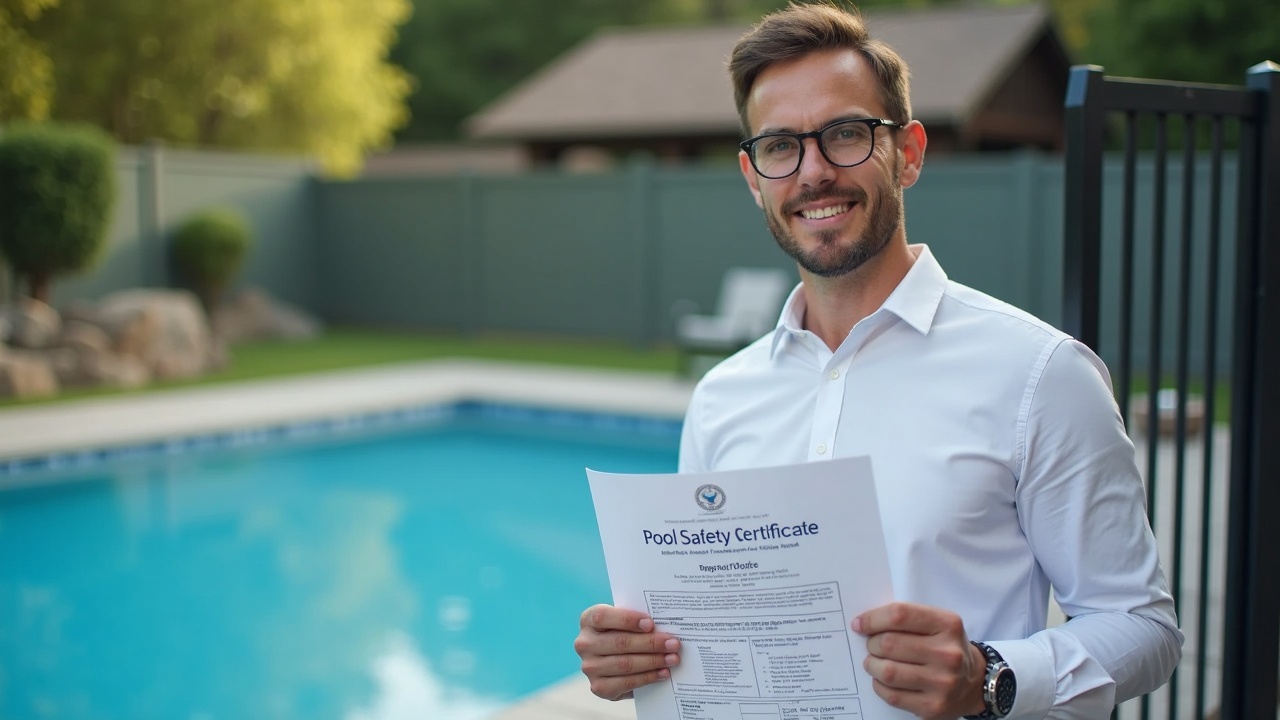
How Pool Companies Actually Capture Year-Round Compliance Revenue
Converting compliance calls into predictable revenue requires changing three operational elements: call answer rate, quote-to-close speed, and relationship cultivation with repeat buyers. Most pool companies fix only the first element—they improve phone coverage—and wonder why inspection volume stays flat.
Answer rate determines opportunity volume. If you're currently answering 40% of inbound calls and you increase that to 95%, you don't get 55% more leads—you get 137% more leads, because the calls you're missing don't disappear; they're going to competitors. Bringing those calls back to your pipeline doubles or triples inspection volume without any marketing spend.
Quote-to-close speed determines conversion rate. For compliance work, "I'll send you a quote tomorrow" kills your close rate. The winning approach is quoting price on the initial call, checking calendar availability in real-time, and booking the inspection before the caller hangs up. According to Vendasta, local service businesses that can book appointments during the first call convert at 64% versus 18% for those requiring callbacks or email quotes.
Relationship cultivation determines recurring revenue percentage. One-time homeowner inspections are transactional. Property manager relationships are annuities. A single property management company overseeing 40-60 rental homes with pools will generate 40-60 inspection requests per year, plus emergency re-inspections when tenants damage barriers. Getting on their vendor list requires flawless execution on the first job—but once you're in, you receive inspection requests monthly without bidding or marketing.
Building a Front Office That Captures Pool Compliance Jobs
The operational requirement isn't complex, but it's specific: someone qualified needs to answer every call within three rings, quote pool safety inspection pricing accurately, access your calendar to check availability, and book the job while the caller is on the line. That person needs to be available 7 AM to 7 PM minimum, six days per week, because compliance calls don't respect business hours.
Most pool companies can't staff that internally without hiring two full-time people and accepting that nights, weekends, and holiday periods will still go to voicemail. The economics don't justify two salaries for phone coverage when field labor is the constraint on business growth.
The alternative that's working for pool companies focused on compliance revenue is a dedicated front office team that handles the entire call-to-booking process as an extension of your business. Not an answering service that takes messages—a team that knows your inspection pricing, can see your calendar, understands pool barrier code requirements well enough to answer basic questions, and gets the job booked while urgency is highest.
That's the function your competitors who dominate pool barrier inspection leads have already solved. They're not better technicians. They're not cheaper. They just answer the phone reliably and convert the caller before the conversation ends. For a service category where first responder wins and callbacks lose, that operational difference is worth $35,000-$60,000 annually in captured compliance revenue.
What Pool Safety Certificate Revenue Actually Looks Like
Pool companies that systematically capture compliance calls build revenue streams that look different from traditional service work—more predictable, higher margin, less weather-dependent, and increasingly recurring as property manager relationships mature.
| Revenue Characteristic | Traditional Pool Service | Safety Inspection Focus |
|---|---|---|
| Seasonality | High (summer peaks) | Low (year-round compliance) |
| Customer Acquisition Cost | $180-$320 per customer | $0 (inbound calls) |
| Recurring Revenue % | 65-70% | 45-60% from property managers |
| Average Job Margin | 35-42% | 58-68% |
| Schedule Predictability | Moderate | High (can book 2-3 weeks out) |
The margin difference is significant. Pool safety inspections require a clipboard, measuring tape, and knowledge—not a truck full of chemicals and equipment. Labor cost is 30-45 minutes of a qualified technician's time. Material cost is near zero. The rest is margin.
For pool companies running 40-50% labor costs on service routes, inspection work at 60%+ margin becomes the profit center that funds growth. Two hundred inspections at $225 average ticket and 62% margin generates $27,900 in gross profit—equivalent to $75,000 in traditional service revenue at 37% margin.
The Real Estate Agent and Property Manager Relationship Strategy
Transactional inspection revenue is good. Relationship-based recurring inspection revenue is transformational. The difference lies in understanding that property managers and real estate agents aren't buying pool inspections—they're buying vendor reliability that protects their timelines and reputations.
A real estate agent who calls you for a pool barrier inspection isn't choosing you based on your website or reviews. She's betting her commission and her client relationship on your ability to show up on time, complete a thorough inspection, and deliver the certificate before the closing deadline. If you execute flawlessly, she'll call you for the next transaction without shopping around. If you're late, miss something the city inspector catches, or delay the certificate, she'll never call again.
Property managers operate the same way but at higher volume. A single property management company might oversee 200-400 residential properties, 15-20% of which have pools. Every lease requires a current pool safety certificate. Every tenant turnover triggers a re-inspection. Every code enforcement notice requires immediate vendor response. The property manager who finds a pool company that answers reliably, schedules quickly, and completes inspections correctly stops looking for alternatives.
The entry strategy is simple: Execute the first job perfectly. Show up exactly when scheduled. Complete a thorough inspection that passes municipal review on first submission. Deliver the signed certificate within 24 hours. Then ask directly: "We specialize in compliance inspections for property managers. How many rental properties with pools do you currently manage?" That question converts a one-time transaction into a recurring revenue relationship worth $8,000-$15,000 annually.
Frequently Asked Questions
How much should I charge for a pool safety inspection?
Pool barrier inspection pricing typically ranges from $175-$285 depending on your market, travel time, and inspection complexity. Simple barrier inspections (fence height, gate latches, gaps) run $175-$225. Comprehensive inspections covering all ASTM F1346 requirements including entrapment hazards and electrical bonding run $245-$285. Property managers expect volume pricing—offering a $30-$40 per-inspection discount for annual contracts covering multiple properties improves close rates and builds recurring revenue.
What certifications do I need to perform pool safety inspections?
Requirements vary by jurisdiction, but most municipalities accept inspections from licensed pool contractors, certified pool operators (CPO), or inspectors certified through programs like the Pool & Hot Tub Alliance. Some states require specific pool barrier inspection certification. Check your local building department requirements—in many areas, your existing contractor license qualifies you to perform and certify compliance inspections without additional credentials.
How long does a typical pool safety inspection take?
A residential pool barrier inspection takes 25-45 minutes on-site including measurement, gate operation testing, and documentation. Add 15-30 minutes for travel and 10-15 minutes for certificate completion and filing. Total time from leaving your previous job to delivering a completed certificate is 50-90 minutes, making inspections one of the highest dollars-per-hour services pool companies offer.
Why do property managers need annual pool inspections?
Most municipalities require rental properties with pools to maintain current safety compliance certificates, typically renewed annually or at each tenant turnover. This protects property owners from liability and ensures barriers meet current code even as regulations evolve. Property managers coordinating these recurring inspections represent your highest-value inspection clients—one property manager relationship can generate 30-60 inspection jobs per year across their portfolio.
Can I subcontract pool inspections if I'm too busy with service work?
Subcontracting inspections wastes your highest-margin work. At 60-68% gross margin, inspections are 20-25 points more profitable than service calls. The better strategy is protecting inspection revenue by ensuring every compliance call gets answered and booked, then scheduling inspection routes efficiently—grouping 4-6 inspections into a half-day route. This turns inspection work into predictable, profitable schedule blocks that don't disrupt service operations.
What's the biggest mistake pool companies make with compliance work?
Treating inspection calls like service calls. When a homeowner calls about green water, waiting three hours to call back costs you nothing—they'll still book with you. When a property manager calls needing an inspection before a tenant moves in Friday, waiting three hours costs you the job permanently. Compliance calls require immediate answer, immediate quote, and immediate booking. Pool companies that haven't structured front office operations around that urgency lose 70%+ of available inspection revenue to competitors who have.
Stop Losing Inspection Jobs to Competitors Who Just Answer Their Phone
Pool safety inspection revenue is sitting in your market right now—property managers calling down vendor lists, real estate agents googling for compliance inspectors, homeowners responding to municipal notices. The jobs exist. The buyers are calling. The only question is whether those calls reach someone who can answer, quote, and book before the caller moves to the next name on their list.
Your technical expertise doesn't matter if you never get the call. Your competitive pricing is irrelevant if it takes four hours to quote. Your stellar reputation means nothing to a buyer with a closing deadline who needs an answer now.
The pool companies capturing compliance revenue year-round aren't outmarketing you—they're outoperating you at the front office level. They've solved the structural problem of answering every call live, quoting accurately without callbacks, and booking jobs while urgency is highest.
If you're ready to stop losing pool barrier inspection leads to voicemail and start converting compliance calls into predictable revenue, Book All Leads gives you a complete front office team that goes live in five days and works as an extension of your pool company—no software to learn, no contracts locking you in, just a team that answers your calls and books your jobs around the clock.
John Edmonds is a native Texan and military combat veteran. He founded Book All Leads after identifying a critical gap in the service industry: business owners losing revenue not from lack of skill, but because no one was handling the calls, follow-ups, reviews, and payments while they were busy doing the work.
View LinkedIn Profile →