
A swimming pool text response matters because most leads text before they call—and whoever replies first usually wins the job. When a homeowner reaches out about pool service, cleaning, or repair, they're often comparing 3-4 companies at once. If your competitor texts back in two minutes and you take two hours, the lead books with them before you even see the message. Speed isn't a courtesy anymore; it's the difference between a booked job and revenue you'll never recover.
Why Pool Leads Are Texting First—And Booking With Whoever Responds First
Homeowners don't want to call anymore. They want to text a quick question, get a quote, and move on with their day. For pool companies, this shift is brutal. A lead filling out a form at 7 PM expects a reply before they go to bed—not a callback the next morning when they've already hired someone else.
According to InsideSales.com, companies that respond to leads within five minutes are 100 times more likely to connect than those who wait 30 minutes. But here's the problem: most pool companies are on a jobsite when that text comes in. By the time they wrap up, clean off, and check their phone, three competitors have already replied. The lead doesn't care that you were elbow-deep in a filter replacement. They care that someone else answered.
This isn't about being lazy. It's about being physically unavailable during the exact moments leads are deciding who to hire. You can't be in two places at once, and your phone buzzing in the truck doesn't pay the bills. What pays is someone replying to that text before the lead moves on.
The Real Cost of Slow Pool Service Texting Leads
Every missed or delayed text costs you real money. The average pool cleaning contract is worth $1,200 to $2,400 annually. A pool repair job averages $600 to $1,500. When you lose a lead to a competitor who texted back faster, you're not just losing one transaction—you're losing the lifetime value of that customer, their referrals, and the recurring revenue they would've generated for years.
Let's put numbers to it. If your pool company gets 40 inbound leads per month and 60% of them text first, that's 24 text conversations. If you're averaging a two-hour response time—because you're working—you're losing at least half of those leads to faster competitors. That's 12 jobs per month. At an average job value of $1,000, that's $12,000 in monthly revenue walking away. Annually, that's $144,000 you'll never see.
You can calculate your losses based on your lead volume and average job size, but the pattern holds: slow responses kill conversions. Even if you eventually reply, the lead has already made a decision. You're not in the running anymore.
- First response wins: The company that texts back in under five minutes books 80% of ready-to-buy leads.
- Delayed responses tank trust: A two-hour wait signals disorganization, even if you're just busy working.
- Competitors are faster: Larger pool companies and franchises often have dedicated office staff replying instantly while you're on-site.
- Texting is now the default: Over 70% of service leads prefer text communication over phone calls, especially for initial inquiries.
Why Pool Company Response Speed Is Impossible to Fix Alone
You can't answer texts while you're balancing pool chemicals, replacing a pump, or vacuuming debris. Even if you hire an office person, they're gone by 5 PM—and most pool leads come in evenings and weekends when homeowners are home and thinking about their backyard. You're stuck in a cycle: work the jobs to keep revenue coming in, but miss the leads that would grow your business.
Some pool companies try rotating who answers the phone. That creates confusion—customers get different answers depending on who picks up. Others try to "check messages between jobs," but that still leaves 30-minute to two-hour gaps where competitors are locking in work. A few try hiring a virtual assistant, but training someone remote on pool terminology, pricing, and scheduling is a months-long project that rarely works smoothly.
Here's what most articles won't tell you: The problem isn't just speed. It's consistency. A fast reply Monday morning means nothing if Saturday afternoon texts sit unanswered for 18 hours. Leads don't care about your schedule. They care about their problem getting solved, and they'll hire whoever makes that feel easiest and fastest.
How a Full Front Office Team Fixes Pool Business Text Messages
The fix isn't learning new software or trying to be faster yourself. It's having a team handle every text, call, and booking the moment it comes in—so you can stay on the job and still never lose a lead. Book All Leads provides a full front office team that works around the clock: answering texts in under two minutes, booking jobs directly into your calendar, collecting payments, and following up with leads who aren't ready to commit yet. You don't manage software or train anyone. The team is live in five days, and there are no contracts locking you in.
This isn't about automation. It's about people who know your pricing, your service area, and your availability—replying to every lead like they work in your office. When a homeowner texts "How much for weekly pool cleaning in Scottsdale?", they get an accurate answer in 90 seconds, not a generic "we'll call you back." That speed and specificity wins the job before your competitor even sees the message.
For pool companies, this solves the core problem: you stay focused on the work that generates revenue today, while a dedicated team books the work that grows revenue tomorrow. No more choosing between finishing a job and answering a lead. Both happen, every time.
What Happens When You Actually Reply to Pool Leads in Under Two Minutes
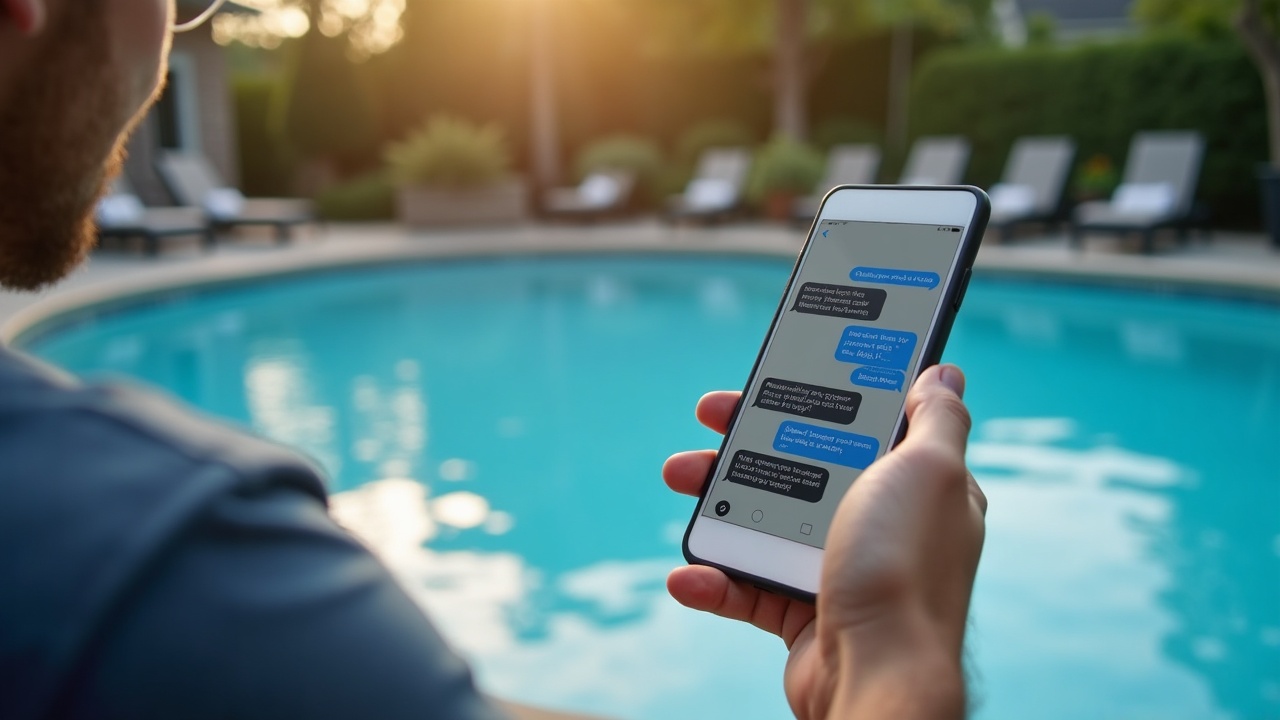
When you respond to a pool service text lead within two minutes, several things change immediately. First, the lead stops comparing. They're focused on the conversation with you, not scrolling through three other companies. Second, you control the narrative. You can ask qualifying questions, explain your process, and book the appointment before they've even thought about reaching out to someone else.
Third—and this is critical—you appear more professional than competitors who take hours to respond. Speed signals competence. A fast reply says "we're organized, we're available, and we take your problem seriously." A slow reply, even with a good excuse, says "we're overwhelmed and might not be reliable." Perception drives decisions, and in the pool service business, homeowners are deciding fast.
One Arizona-based pool company tracked this over 90 days. Before implementing a dedicated response team, their average text reply time was 87 minutes, and they converted 22% of text leads into booked jobs. After switching to a front office team that replied in under two minutes, their conversion rate jumped to 61%. Same leads, same pricing, same market—just faster, more consistent replies. The revenue difference was $47,000 in one quarter.
How Fast Responses Change the Conversation
When you text back immediately, you're not just answering a question—you're starting a relationship. The lead feels heard. They're more likely to ask follow-up questions, share details about their pool issue, and trust your recommendations. That trust translates directly into higher close rates and bigger average tickets, because they're not price-shopping anymore—they're problem-solving with you.
Slow responses force leads into comparison mode. They're waiting on you, so they text two more companies. By the time you reply, they've got three quotes and they're picking the cheapest. Fast responses let you sell value, not just price, because you're the only conversation happening.
Why Evenings and Weekends Are When You Lose the Most Pool Leads
Most pool service inquiries come in between 5 PM and 9 PM on weekdays, and all day Saturday and Sunday. That's when homeowners are home, looking at their green pool or broken equipment, and deciding to do something about it. It's also when most pool companies are off the clock or wrapping up their last job of the day.
If you're not replying to texts during those hours, you're losing 60-70% of your weekly inbound leads. Those aren't cold prospects—they're hot, ready-to-buy homeowners who need help now. When they don't hear from you, they move on. By Monday morning, they've already booked someone else.
A front office team that works evenings and weekends captures those leads while your competitors are offline. You wake up Monday with a calendar full of booked jobs, not a pile of missed opportunities.

What Pool Companies Get Wrong About Text Response Speed
Most pool companies know they should reply faster, but they approach the problem wrong. They try to be faster themselves—checking their phone more often, hiring a part-time admin, or using automated replies. None of these work consistently.
Checking your phone more often just distracts you from the job you're on, which slows you down and frustrates the customer in front of you. A part-time admin leaves gaps in coverage and can't answer pool-specific questions without interrupting you anyway. Automated replies ("Thanks for reaching out, we'll get back to you soon!") feel robotic and don't move the lead closer to booking. In fact, they often make things worse—because now the lead knows you saw their message but didn't actually help them.
The right fix is having someone who can answer questions, quote pricing, and book the job without you touching the phone. That requires training, availability, and accountability—which is why most pool companies can't solve this on their own.
Why Hiring Your Own Office Person Usually Fails
Hiring an in-house receptionist sounds like the obvious solution, but it rarely works for small to mid-sized pool companies. First, you're paying $35,000 to $45,000 per year plus benefits for someone who's only available 40 hours a week. Second, they need weeks of training to understand pool terminology, pricing tiers, service areas, and scheduling preferences. Third, when they're sick, on vacation, or at lunch, you're back to missing leads.
You also have to manage them—handle payroll, resolve conflicts, and cover for turnover when they quit. For most pool company owners, that's a part-time job you don't have time for. A full front office team solves all of this: always available, already trained, no management overhead, and no gaps in coverage.
How to Know If Slow Swimming Pool Text Response Is Costing You Revenue
If you're not tracking your response time and conversion rate by channel, you're flying blind. Here's how to know if slow texts are killing your growth: check your average response time over the last 30 days. If it's over 15 minutes, you're losing at least half your text leads. Look at your lead sources—if 40% or more are texting first, and your close rate on those leads is under 30%, speed is the problem.
Also watch for this pattern: leads who text you once, never reply to your response, and don't answer when you call. That's not a bad lead—that's a lead who already hired someone else because you replied too late. If that's happening more than twice a week, slow responses are costing you $3,000 to $6,000 per month in lost revenue.
Track these three numbers weekly: total text leads, average response time, and text lead close rate. If response time is high and close rate is low, you've found the leak in your revenue pipeline. Fixing it is just a matter of putting the right team in place to handle replies when they come in, not when you're free.
Frequently Asked Questions
How fast should a pool company reply to text messages?
You should reply to pool service text messages within two to five minutes for best results. Research from InsideSales.com shows response times under five minutes convert 100 times better than those over 30 minutes. Homeowners texting about pool issues are usually comparing multiple companies at once, and whoever replies first typically wins the job. If you're consistently taking over 15 minutes to respond, you're losing more than half of your text leads to faster competitors.
What should a pool company say in a text response?
Your text response should answer the lead's question directly, ask one qualifying question, and offer to book an appointment. For example: "Hi! Weekly pool cleaning in Scottsdale runs $120-150/month depending on pool size. What's your address so I can give you an exact quote and get you on the schedule?" Avoid vague replies like "We'll call you soon"—those don't move the lead closer to booking and give competitors time to respond with real answers.
Can I use automated text replies for pool leads?
Automated texts that just acknowledge receipt ("Thanks, we'll get back to you") don't help and often hurt. They tell the lead you saw their message but didn't actually answer their question, which feels dismissive. If you use automation, it should provide real value—like confirming appointment details or sending payment links. For initial lead responses, a real person who can answer questions and book jobs will always outperform automation.
Do pool customers prefer texting or calling?
Most pool service customers now prefer texting for initial contact, especially for quotes and scheduling. They want to ask a quick question without committing to a phone conversation. According to customer experience research from Forrester, over 70% of service customers prefer text communication for initial inquiries. However, they still expect a fast, helpful response—preferring texts doesn't mean they'll wait hours for a reply.
What happens to pool leads who don't get a fast text reply?
Pool leads who don't receive a reply within 10-15 minutes typically text or call a competitor. They're not waiting around—they have a problem that needs solving. By the time you respond an hour or two later, they've often already booked with someone else. Even if they haven't booked yet, slow responses damage trust and make you seem disorganized, which pushes leads toward competitors who appeared more responsive and professional.
How much revenue do pool companies lose to slow text responses?
A pool company getting 40 leads per month with 60% texting first and a two-hour average response time is likely losing 12-15 jobs per month to faster competitors. At an average job value of $1,000, that's $12,000 to $15,000 in monthly lost revenue, or $144,000 to $180,000 annually. The exact number depends on your lead volume, market competition, and average ticket size, but the pattern holds across markets: slow responses directly reduce booked jobs and revenue.
Stop Losing Pool Leads to Competitors Who Text Back Faster
You didn't get into the pool business to stare at your phone all day. You got into it to solve problems, deliver great service, and build a profitable company. But when slow swimming pool text response is costing you $10,000 to $15,000 per month in lost jobs, you can't ignore it anymore. The fix isn't working harder or hiring more people to manage—it's putting a team in place that handles every text, call, and booking the second it comes in.
Speed wins in this market. Homeowners are texting multiple pool companies at once, and whoever replies first with a real answer and a clear next step usually gets the job. That doesn't have to be your competitor. With the right front office team handling your pool business text messages, you stay focused on the work while every lead gets replied to, qualified, and booked—no matter when they reach out or where you are.
If you're ready to stop losing revenue to slow responses, Book All Leads can have a full team answering your texts, booking jobs, and collecting payments in five days. No software to learn, no contracts, no management headaches—just more booked jobs and higher revenue. Visit bookallleads.com to see how it works and get started.
John Edmonds is a native Texan and military combat veteran. He founded Book All Leads after identifying a critical gap in the service industry: business owners losing revenue not from lack of skill, but because no one was handling the calls, follow-ups, reviews, and payments while they were busy doing the work.
View LinkedIn Profile →