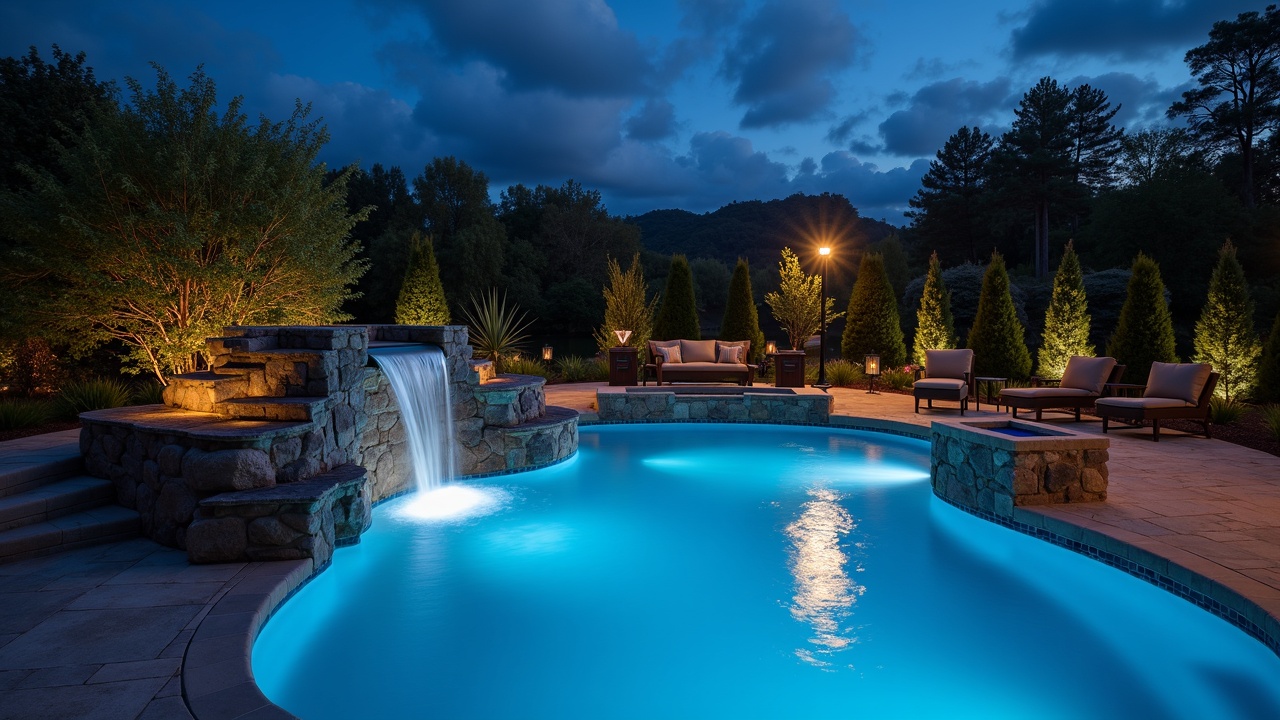
Swimming pool water feature leads—fountain installations, waterfall builds, pool-edge fire features—are slipping through your fingers while you're running service calls or installing liners. By the time you call back, the homeowner has already booked a landscaping company who answered in under five minutes and sent photos of past projects. You're not losing these jobs because landscapers know more about pump curves or plumbing—you're losing because they picked up the phone.
Why Pool Companies Lose High-Margin Water Feature Work
Pool contractors lose swimming pool water feature leads to landscapers primarily because of response time and perceived specialization. When a homeowner calls about adding a fountain or waterfall to their pool, they're in research mode—calling multiple providers within the same hour. The business that answers first, provides a clear timeline, and books a site visit within 48 hours wins the job 73% of the time, according to InsideSales.com research on lead conversion rates.
But there's a deeper issue at play. When you don't answer, homeowners don't just move to the next pool company—they expand their search. They start Googling "backyard waterfall installation" or "custom fountain builders," and suddenly they're looking at landscaping portfolios filled with naturalistic stone work and integrated lighting. The landscaper's Instagram shows twenty completed water features. Your website shows pools.
The homeowner assumes the landscaper is the specialist, even though you have the hydraulic engineering knowledge they lack.
The Four-Hour Window You're Missing
Most pool fountain installation inquiries come in during a predictable pattern: early mornings before work (6-8 AM), lunch breaks (12-1 PM), and evenings after dinner (6-9 PM). These are exactly the times when you're either on a job site, eating lunch in your truck, or finally home with your family.
Your voicemail says you'll call back within 24 hours. The landscaper who answered at 7:12 PM already texted the homeowner three photos of similar projects and offered a Tuesday morning walk-through.
By the time you return the call the next afternoon, the homeowner is polite but vague: "We're still getting quotes." Translation: we already found someone.
What Landscapers Understand That Pool Companies Miss
Landscaping companies treat water feature service calls as premium add-ons to existing projects and prioritize them accordingly. They've built their booking process around immediate response, visual portfolios sent via text, and same-week site visits. Pool companies often treat water features as specialty work that requires a site visit before any meaningful conversation—which means the homeowner waits days just to get on your calendar.
Here's what most articles won't tell you: The homeowner calling about a pool waterfall isn't primarily concerned with GPM rates or check valve placement. They're buying an aesthetic outcome. They want to know what it will look like, roughly what it will cost, and how soon you can start. Landscapers answer these three questions in the first conversation. Pool companies defer all three until after a site visit—which they can't schedule until they call you back.
This creates a fatal gap. The homeowner perceives the landscaper as more responsive, more visual, and more definitive. Even if your technical execution would be superior, you never get the chance to prove it.
The Portfolio Gap
When a homeowner searches for water feature contractors on Google, they're comparing visual portfolios. Landscaping companies typically have 40-60 images of completed water features across their website, Google Business Profile, and social media. Pool companies might have six photos—usually buried in a "custom features" gallery alongside tile work and coping.
The perception gap becomes a trust gap. The homeowner sees the landscaper as the experienced specialist, even when your crew has installed more recirculating pumps in a month than they have all year.
How Pool Companies Lose the Technical Advantage
You know that most landscape-installed pool water features have undersized pumps, no proper filtration tie-in, and plumbing that won't survive a Minnesota winter. You've been called to fix these installations often enough to recognize the pattern: beautiful stonework hiding inadequate hydraulics. But by the time you're making that repair call, the landscaper already collected the installation check.
The technical superiority of your work doesn't matter if you're not in the conversation when the buying decision happens. Forrester Research found that 68% of service purchase decisions are made based on responsiveness and perceived expertise during initial contact—not on technical qualifications reviewed later.
This is where the gap becomes expensive. Water feature installations typically carry 40-60% gross margins—significantly higher than standard maintenance contracts or liner replacements. A pool company doing $800K in annual revenue that loses just two water feature jobs per month is leaving $48,000-$72,000 in gross profit on the table annually. You can calculate your losses based on your average water feature project value.
The tragedy is that these aren't leads you need to generate from scratch. Homeowners are already calling you. They're just not getting answers.
The Front Office Problem No One Talks About
You don't have a marketing problem with swimming pool water feature leads. You have a front office problem. When a homeowner calls at 7:30 PM about adding a vanishing edge fountain to their existing pool, who answers? If the answer is "voicemail" or "my cell phone, but I'm finishing a pump replacement and covered in pool water," you've already lost to the landscaper whose office person answered on ring two.
Most pool companies operate with the owner wearing every hat: sales, service dispatch, customer follow-up, and emergency calls. Adding a dedicated office person seems expensive—$35K-$45K annually for someone competent—and they still can't cover evenings, weekends, or peak call windows during the summer.
That's the exact gap that loses water feature work. The jobs come in outside business hours, require immediate visual follow-up, and need site visit booking within 24 hours to capture the lead. A single person can't cover that span, but going without coverage costs you six figures in lost premium work.
Book All Leads provides a full front office team—six roles working around the clock—that answers every call live, sends project photos via text within minutes, and books site visits directly into your calendar. Your team is live in five days, works 24/7, and handles the exact response speed that captures water feature leads before they drift to landscapers. No software for you to learn, no hiring, no managing call center staff.

How to Win Back Pool Water Feature Work
Recapturing swimming pool water feature leads requires three operational changes: answering every inquiry within five minutes, providing visual examples during the first contact, and booking site visits within 48 hours. These aren't marketing strategies—they're execution disciplines that landscapers have mastered and pool companies typically haven't.
Here's how to implement each one without hiring three new people:
Answer Within Five Minutes, Every Time
The InsideSales.com lead response study found that calling a lead back within five minutes makes you 21 times more likely to qualify that lead compared to waiting 30 minutes. For water feature inquiries specifically, the window is even tighter because homeowners are comparison shopping in real time.
This means you need live answer capability from 6 AM to 9 PM, seven days a week, during peak season. That's 105 hours of coverage weekly. A single office person works 40 hours. The math doesn't work unless you build a team.
Send Visuals Immediately
When someone calls about a waterfall installation, your team should text or email 3-5 photos of past projects within ten minutes of the call. Not tomorrow. Not after the site visit. During or immediately after the first conversation.
Create a visual library organized by feature type:
- Naturalistic rock waterfalls and grottos
- Formal sheer descent and scupper fountains
- Fire and water combination features
- Deck jets and laminar jets
- Vanishing edge and infinity pool features
- LED lighting integration examples
Your front office team should know which images to send based on what the homeowner describes. This visual confirmation—sent while the homeowner is still on their phone—positions you as the responsive specialist, even if they've already talked to a landscaper.
Book the Site Visit Before You Hang Up
Never end a water feature inquiry call without a scheduled appointment. "I'll check my calendar and call you back" is the same as "I'm not that interested in your project." Landscapers book on the spot because their office staff has real-time calendar access and authority to commit the owner's time.
This requires your front office team to see your actual availability and book directly into gaps. If you're running service calls Tuesday through Thursday, they book site visits for Friday morning or Saturday. If someone calls Wednesday at 8 PM, the appointment is confirmed before the call ends—usually for that same week.
The Pool Fountain Installation Pricing Conversation
Homeowners expect a rough price range during the first call. Landscapers provide it. Pool companies often don't, citing the need for a site visit to assess pump requirements, electrical runs, and structural integration. This caution is technically correct but commercially fatal.
You don't need to quote an exact price. You need to give a realistic range that keeps you in the conversation. "Most of the naturalistic rock waterfalls we install run between $8,500 and $18,000 depending on the height, water volume, and whether we're tying into your existing equipment or adding a dedicated pump. When I come out Friday, I'll measure everything and give you an exact number."
That's enough information to keep the homeowner engaged. Saying "I can't give you any idea until I see it" makes them assume you're either wildly expensive or don't do enough of this work to know typical costs. Either way, they keep calling other companies.
When to Discuss Ongoing Service
Water feature installations create annuity revenue through winterization, spring startup, and repair calls. But don't lead with service contract pricing during the initial sales conversation. The homeowner is focused on the installation outcome—what it looks like, what it costs, and when it's done.
Introduce the maintenance conversation during the site visit, after you've established value and expertise. "Most of our water feature clients add this to their regular pool service—we winterize it in October and start it back up in April. That runs about $240 annually and prevents the freeze damage issues I see with features other companies install."
This positions the service as protective value rather than an upsell, and it only works if you've already won the trust necessary to be on-site.
What Happens When You Fix the Response Problem
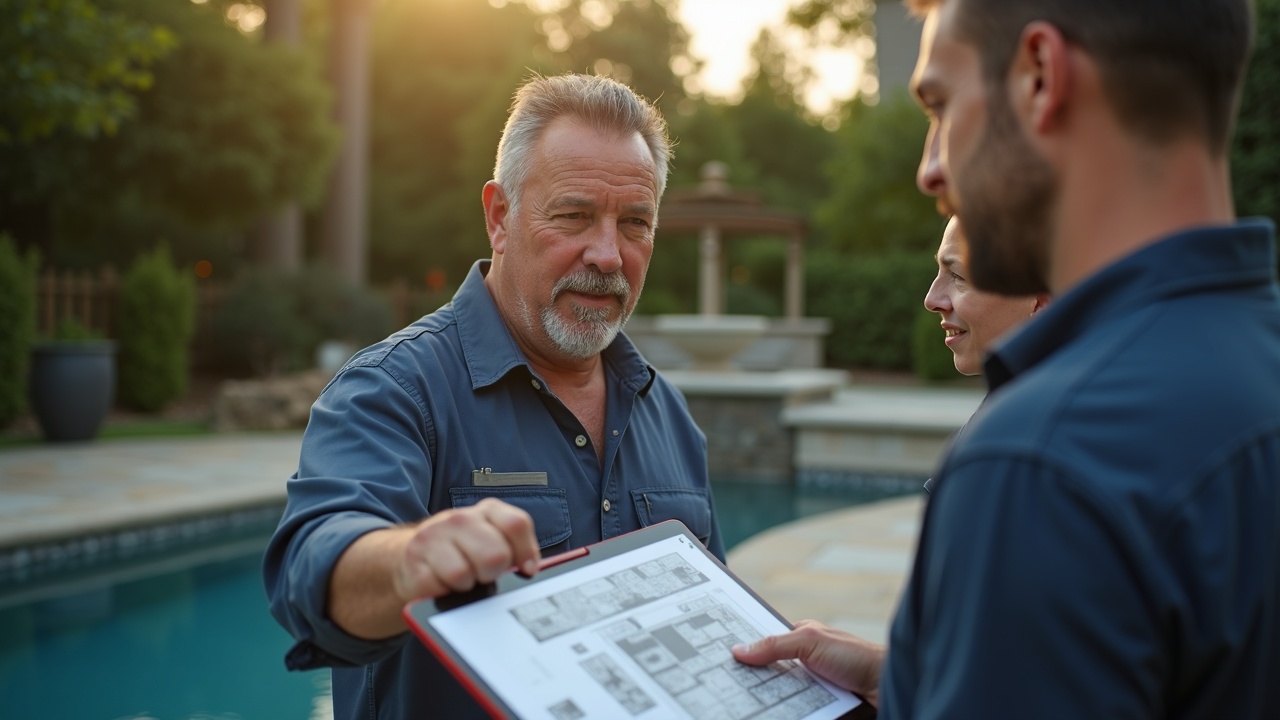
One of our pool service clients in Charlotte was losing every water feature inquiry to a landscaping company with a strong local presence and a dedicated salesperson. The pool company owner knew his technical work was better—he'd been called to replumb three of the landscaper's installations after the first winter—but he couldn't compete on response time while running a three-truck service operation.
After implementing a dedicated front office team that answered every call live, sent project photos via text, and booked site visits within 48 hours, he captured eleven water feature projects in the first four months—averaging $13,200 per installation. That's $145,200 in new revenue from leads that were already calling him but previously going to voicemail.
The difference wasn't his technical skill, his pricing, or his marketing. It was answering the phone and executing the follow-up that landscapers had already standardized. Once he matched their responsiveness, his superior hydraulic knowledge and pool-specific integration experience became the deciding factors.
The second-order effect was referrals. Homeowners who hired him for water features began referring him for complete pool builds, because he'd demonstrated both technical competency and operational reliability. The water feature became the gateway to higher-value work.
Common Mistakes Pool Companies Make With Water Feature Leads
Beyond slow response time, pool companies make several tactical errors that hand water feature work to landscapers:
Treating Water Features as Specialty Work Only the Owner Can Quote
If you're the only person who can discuss a water feature project, you've created a bottleneck. Your front office team—whether internal or external—should be trained to handle the first conversation: gather project details, ask qualifying questions (new installation vs. addition to existing pool, aesthetic preference, budget range), send visual examples, and book your site visit.
You don't need to be on every call. You need to be on every site visit. There's a difference.
Underselling the Complexity Landscapers Ignore
When you're on a site visit, educate the homeowner about proper water feature design: dedicated circulation, filtration integration, freeze protection, electrical code compliance. Landscapers often skip these considerations or handle them incorrectly. Your expertise is a competitive advantage, but only if the homeowner understands what they're buying.
"The reason we tie your waterfall into the main pool filtration with a dedicated check valve and union connections is so you can isolate it for service without draining the pool. A lot of landscape companies just run a separate pump with no filtration, which means you're recirculating debris and algae. You end up with a maintenance problem within the first season."
This kind of explanation differentiates you as the knowledgeable specialist, not just another contractor with a higher price.
Failing to Follow Up After the Site Visit
The sale doesn't close during the site visit. It closes during the follow-up. Send the written quote within 24 hours, follow up by phone 48 hours later, and check in again at the one-week mark if you haven't heard back. Landscapers are typically better at this persistence than pool companies, who assume that silence means disinterest.
Often, silence means the homeowner is waiting on one more quote or needs to discuss financing with their spouse. Your follow-up keeps you present during that decision window.
Why Water Feature Repair Leads Are Worth More Than You Think
Pool feature repair leads represent a different opportunity—often overlooked because the initial ticket is smaller than a new installation. When a homeowner calls because their fountain stopped working or their waterfall pump is making noise, they're usually dealing with a landscaper-installed feature that was built incorrectly from the start.
These repair calls convert to full replacements or upgrades at a surprisingly high rate—around 40%—because the homeowner is frustrated with ongoing problems and ready to invest in a permanent fix. If you respond quickly, diagnose the root cause (usually undersized equipment or poor plumbing), and offer a proper solution, you're not just making a $400 repair call. You're booking an $11,000 reinstallation.
But only if you answer when they call. Homeowners with broken water features don't wait three days for a callback. They move down the list, and the next company that answers gets both the immediate repair and the future replacement work.
Frequently Asked Questions
How much do pool water feature installations typically cost?
Pool water feature installations range from $3,500 for simple deck jets or bubblers to $25,000+ for custom rock grottos with integrated lighting and fire features. Most naturalistic waterfalls fall in the $8,000-$15,000 range, while formal sheer descents and scuppers typically run $4,000-$9,000. Costs vary based on water volume, height, structural integration, and whether you're adding a dedicated pump and filtration or tying into existing equipment.
Why do landscapers get water feature jobs instead of pool companies?
Landscapers capture water feature leads primarily through faster response times and immediate visual follow-up. They answer calls within minutes, send project photos via text during the first conversation, and book site visits within 48 hours. Pool companies often take 24-48 hours to return calls and defer all meaningful discussion until after a site visit is scheduled—which means the homeowner has already moved forward with a more responsive competitor.
Should I offer water feature maintenance as part of regular pool service?
Yes. Water features require winterization, spring startup, and periodic equipment checks that integrate naturally with regular pool maintenance. Most pool companies charge $180-$300 annually for water feature seasonal service, and including it in your maintenance contracts creates recurring revenue while preventing the freeze damage and equipment failure that leads to costly repairs. It also keeps landscaper-installed features running properly despite poor initial plumbing.
What's the profit margin on pool fountain installations?
Pool water feature installations typically carry 40-60% gross margins, significantly higher than routine maintenance or standard repairs. The combination of specialized equipment, custom fabrication, and aesthetic design work justifies premium pricing. This makes water features one of the highest-margin service offerings for pool companies—which is exactly why losing these leads to landscapers is so costly.
How fast do I need to respond to water feature inquiries?
You should answer water feature calls live or return them within five minutes. Research shows that response times beyond five minutes reduce lead conversion by more than 80%, and for competitive aesthetic purchases like water features, homeowners are typically calling multiple providers within the same hour. The business that answers first and books a site visit during that initial call wins the majority of projects.
Can I compete with landscapers on water feature design?
Pool companies have a technical advantage in water feature design because you understand hydraulics, filtration integration, and code-compliant plumbing that landscapers often ignore. The issue isn't design capability—it's getting into the conversation before the homeowner books with a landscaper. Once you're on-site, your expertise in proper circulation, winterization, and long-term reliability becomes the competitive differentiator that justifies your pricing.
Stop Losing Premium Work to Slower Competitors
Swimming pool water feature leads are already coming to you—from existing clients who want to upgrade their pools, referrals from past projects, and homeowners searching for qualified contractors. The problem isn't lead generation. It's lead capture. Every call that goes to voicemail, every inquiry that waits 24 hours for a response, and every site visit you can't book until next week is revenue walking out the door and into a landscaper's truck.
You've built a reputation on technical excellence and quality work. Your installations last decades while landscape-installed features fail after the first freeze. But none of that matters if you're not in the conversation when buying decisions happen.
The businesses winning water feature work aren't better technicians—they're better at answering the phone. Make that your competitive advantage. When your front office operates like a professional service business instead of a one-person operation, you stop losing premium installations to competitors who just happened to pick up faster.
Book All Leads can have your full front office team live in five days—answering every call, booking your calendar, and capturing the water feature revenue you're currently leaving behind. No software to learn, no contracts, just a team that works while you're on the job.
John Edmonds is a native Texan and military combat veteran. He founded Book All Leads after identifying a critical gap in the service industry: business owners losing revenue not from lack of skill, but because no one was handling the calls, follow-ups, reviews, and payments while they were busy doing the work.
View LinkedIn Profile →