
Swimming pool companies lose winter service calls because most close their front offices when call volume drops, rely on voicemail during off-season hours, or fail to train whoever answers the phone on winter revenue opportunities like equipment sales, heater repairs, and pool-to-spa conversions. The result: four months of missed revenue from October through March, when pool owners are making equipment decisions and indoor/spa service needs spike.
The Real Cost of Going Dark Between October and March
Pool companies face a seasonal revenue cliff that most other trades don't: from November through March, residential pool maintenance drops to nearly zero in most markets. But here's the expensive mistake: most pool businesses treat this as an excuse to scale back their front office, send calls to voicemail, or close early on Fridays. When the phone rings in January, it's usually someone ready to spend serious money on equipment, renovations, or indoor pool service — and those calls get ignored.
According to InsideSales.com, 78% of customers buy from the vendor who responds first. In pool service, that winter caller isn't comparison shopping idly — they're trying to line up a pump replacement before May or researching which company can handle their hot tub conversion. If your voicemail picks up, they're already dialing your competitor.
Here's what most articles won't tell you: The pool companies that thrive year-round aren't the ones with the best chemical expertise or the most skimmers. They're the ones whose phone gets answered every single time, even at 7 PM on a Tuesday in February. Winter isn't slow because pool owners disappear. It's slow because pool companies stop acting like they want the business.
Why Pool Companies Miss Winter Revenue Opportunities
Pool businesses lose swimming pool off-season revenue for three reasons: they don't recognize what winter callers are actually asking for, they don't staff their phones to capture off-hour inquiries, and they fail to position winter services as urgent rather than optional. Each of these is fixable, but most owners don't realize the gap exists until they calculate your losses across a full calendar year.
Your Team Isn't Trained to Sell Winter Work
Your summer crew knows how to book weekly cleanings and diagnose cloudy water. But when someone calls in December asking about pump noise or whether their heater will last another season, the average pool tech doesn't pivot to selling a replacement. They say "we'll check it in spring" and hang up. That caller just spent $4,200 with the company that said "we can have someone out Thursday to assess it and give you a quote by Friday."
Winter calls are equipment calls. Heaters, pumps, filters, automation systems, safety covers, and renovation quotes. These aren't $150 service visits — they're $2,000–$15,000 projects. But if your front office doesn't recognize the opportunity and book the consult immediately, you've lost it.
You're Not Answering When Winter Customers Call
Most pool companies keep summer hours year-round: 8 AM to 5 PM, Monday through Friday. But winter callers are homeowners planning projects during their own off-hours. They call at 6:30 PM after dinner, or Saturday morning while reviewing their list of home projects. If your office is closed, they're hiring someone else before you even know they called.
The pool businesses pulling six figures in winter revenue share one trait: their phones are answered live, every time, including evenings and weekends. Not by an answering service reading a script, but by someone who can discuss heater efficiency, book a site visit, and send a quote link before the caller hangs up.
You're Treating Winter Service as "Nice to Have"
When a homeowner calls about a cracked tile or a failing heater in January, most pool companies position it as a non-urgent spring task. But that same homeowner is hosting a graduation party in their backyard in May. If you frame the repair as "we'll add you to the spring list," they'll find someone who says "we can start next week."
Winter service isn't about keeping pools swimmable. It's about protecting investment, preventing expensive failures, and getting ahead of the spring rush. The pool companies that frame it this way convert winter inquiries at the same rate they convert summer calls.
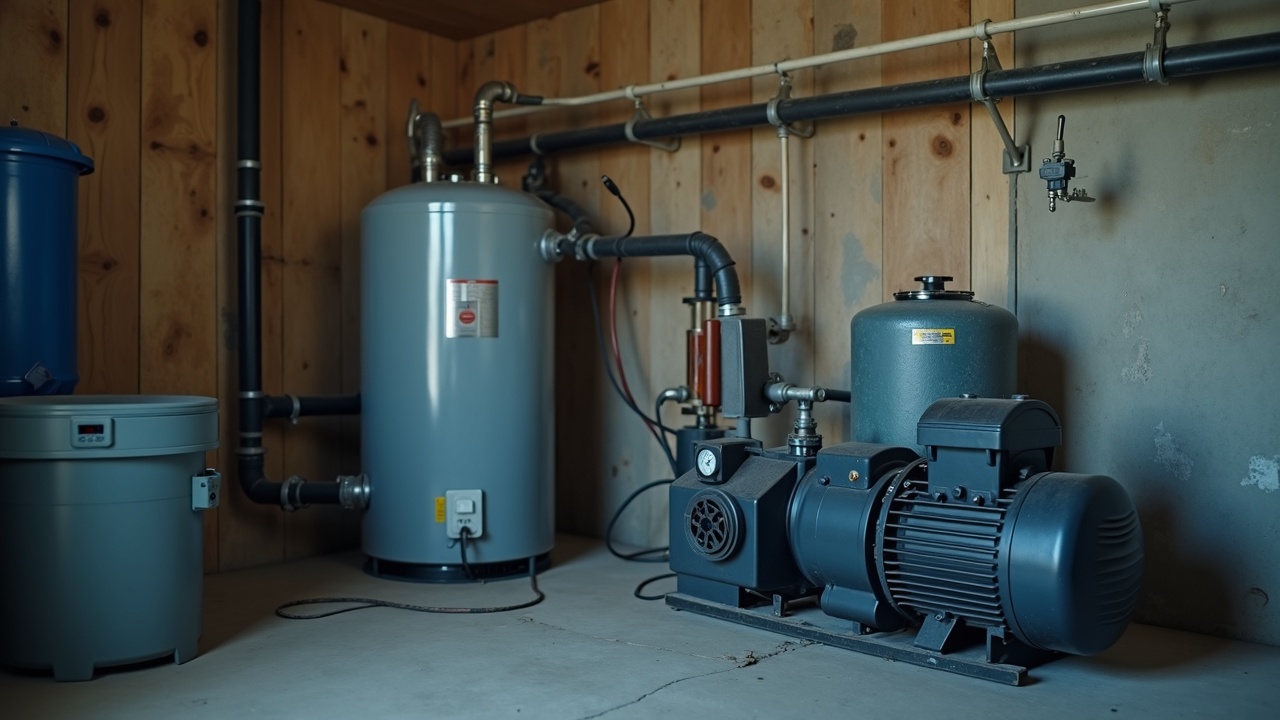
How to Turn the Off-Season Into Your Most Profitable Quarter
Capturing swimming pool winter service revenue starts with treating October through March as equipment season, not dead season. You need a front office that answers every call live, recognizes high-value inquiries, books consultations immediately, and follows up until the project is scheduled. Most pool companies can't afford to staff that internally for four slow months — which is why the year-round winners outsource it.
Book All Leads gives pool companies a full front office team — six roles working around the clock — that answers every call, qualifies the lead, books the appointment, and collects payment when the job is done. You're live in five days. No software to learn, no contracts locking you in. Your winter callers get a real person who knows the difference between a cartridge filter and a DE filter, and you get every revenue opportunity captured instead of sent to voicemail.
Shift Your Offer to Match the Season
Stop promoting weekly maintenance from November through March. Start promoting what winter callers actually need:
- Equipment replacement before spring demand spikes: Heaters, pumps, filters, and automation systems that homeowners want installed during the off-season
- Pool-to-spa conversions and hot tub service: Families who want year-round use are researching options in winter, not waiting until June
- Renovation and resurfacing projects: Homeowners planning backyard upgrades want quotes in January so work finishes by May
- Indoor pool and commercial accounts: These need service 12 months a year, but most pool companies ignore them because they're focused on residential maintenance
Every one of these is a higher-ticket sale than your average summer service call. But if your front office isn't answering the phone or doesn't know how to book the consult, you'll never see the opportunity.
Extend Your Availability Without Burning Out Your Team
You don't need your lead tech answering calls at 8 PM on a Saturday. You need a front office team that can pick up the phone, understand what the caller needs, check your calendar, and book the visit. That's not a $75,000-a-year hire — it's a service you bring in for the months when call volume doesn't justify a full-time receptionist but every missed call costs you thousands.
The pool companies generating consistent off-season revenue aren't working longer hours. They're working smarter: someone else handles the phone, and they show up to sell and install the work.
Follow Up on Every Winter Lead Like It's July
When someone requests a quote for a heater replacement in January, most pool companies send the estimate and wait. Meanwhile, the homeowner is calling three other companies and going with whoever follows up first. According to Bain & Company, increasing customer retention rates by just 5% can boost profits by 25% to 95% — but retention starts with responsiveness.
Your winter leads need the same follow-up cadence as your summer leads: a call within an hour, a quote within 24 hours, a follow-up two days later, and a check-in a week after that. If you're not doing this because "it's the off-season," you're leaving five-figure projects on the table.

What the Year-Round Pool Companies Do Differently
The pool service businesses that generate strong swimming pool year-round income treat every season as sales season. They answer their phones live 24/7, they train their front office to recognize equipment opportunities, they follow up aggressively, and they market winter services starting in October instead of going quiet and waiting for April. The result: 30–40% of annual revenue comes from the four months most pool companies write off as dead time.
One pool service company in North Carolina was losing $60,000 to $80,000 every winter because their part-time office assistant couldn't keep up with calls during her shift and let everything else go to voicemail. Winter callers asking about heater replacements and spa conversions never got called back. The owner didn't realize how much revenue he was missing until he saw the voicemail log in March.
He brought in a dedicated front office team that picked up every call, qualified every lead, and followed up on every quote. That first winter, he booked 19 equipment replacements, six spa conversions, and four full renovations before the spring rush even started. His winter revenue went from near zero to $140,000 — enough to cover payroll for the entire year and pre-sell his spring calendar.
The difference wasn't his technical skill or his marketing budget. It was having someone answer the phone who knew how to sell the work.
Stop Losing Money to the Seasonal Gap
Swimming pool winter service isn't a maintenance play — it's an equipment and project sales play. The homeowners calling you in January aren't asking if their pool looks pretty. They're asking if you can replace their failing heater, quote a resurfacing job, or install a spa before summer. If you're not capturing those calls live, booking the consult immediately, and following up until they say yes or no, you're giving that revenue to whichever competitor stays open year-round.
Your winter revenue depends on one thing: whether a real person answers the phone every time it rings. Not voicemail. Not "leave a message and we'll call you back Monday." A person who can talk about equipment options, check your calendar, and book the visit before the caller moves on.
If you're ready to stop treating winter as dead season and start capturing the revenue that's already calling you, Book All Leads gives you a full front office team working around the clock. No software to learn, no employees to hire, live in five days. Your winter callers get answered, your projects get booked, and your revenue flows year-round instead of spiking and crashing with the temperature.
Frequently Asked Questions
What services should pool companies offer in winter?
Pool companies should focus on equipment sales and replacements (heaters, pumps, filters, automation), pool-to-spa conversions, renovation and resurfacing projects, indoor pool maintenance, commercial pool service, and winterization/de-winterization for climates with freezing temperatures. These are higher-ticket projects that homeowners research and book during the off-season.
How much revenue do pool companies lose by not answering winter calls?
Most pool service companies lose $40,000 to $100,000 in winter revenue by not capturing equipment replacement and renovation inquiries. A single missed heater replacement is $3,000–$6,000 in lost revenue; a missed spa conversion can be $10,000–$20,000. Over four months, that adds up to 20–30% of potential annual income left on the table.
Do pool owners really call for service in winter?
Yes — winter calls are equipment and project inquiries, not routine maintenance requests. Homeowners call about failing heaters, loud pumps, renovation quotes, and spa installations. They're planning projects during the off-season so the work is done before summer. If you're not answering, they're booking with a competitor who does.
Should pool companies stay open evenings and weekends in winter?
Your front office should be available evenings and weekends year-round, because that's when homeowners research and call about projects. You don't need your technicians working those hours — you need someone answering the phone, booking consultations, and following up on quotes. Most successful pool companies outsource this to avoid hiring full-time staff for seasonal demand.
How quickly should I follow up on winter service inquiries?
Follow up within one hour of the initial call, send a detailed quote within 24 hours, and check in again 2–3 days later. Winter callers are comparing multiple companies, and 78% of them will hire whoever responds first. Slow follow-up in winter costs you just as much as it does in summer — the projects are just bigger.
Can a pool company really make significant revenue in the off-season?
Absolutely. Pool companies that capture winter equipment and renovation work routinely generate 30–40% of annual revenue between October and March. The key is treating winter as equipment sales season, answering every call live, and following up aggressively. The demand exists — most companies just aren't set up to capture it.
John Edmonds is a native Texan and military combat veteran. He founded Book All Leads after identifying a critical gap in the service industry: business owners losing revenue not from lack of skill, but because no one was handling the calls, follow-ups, reviews, and payments while they were busy doing the work.
View LinkedIn Profile →