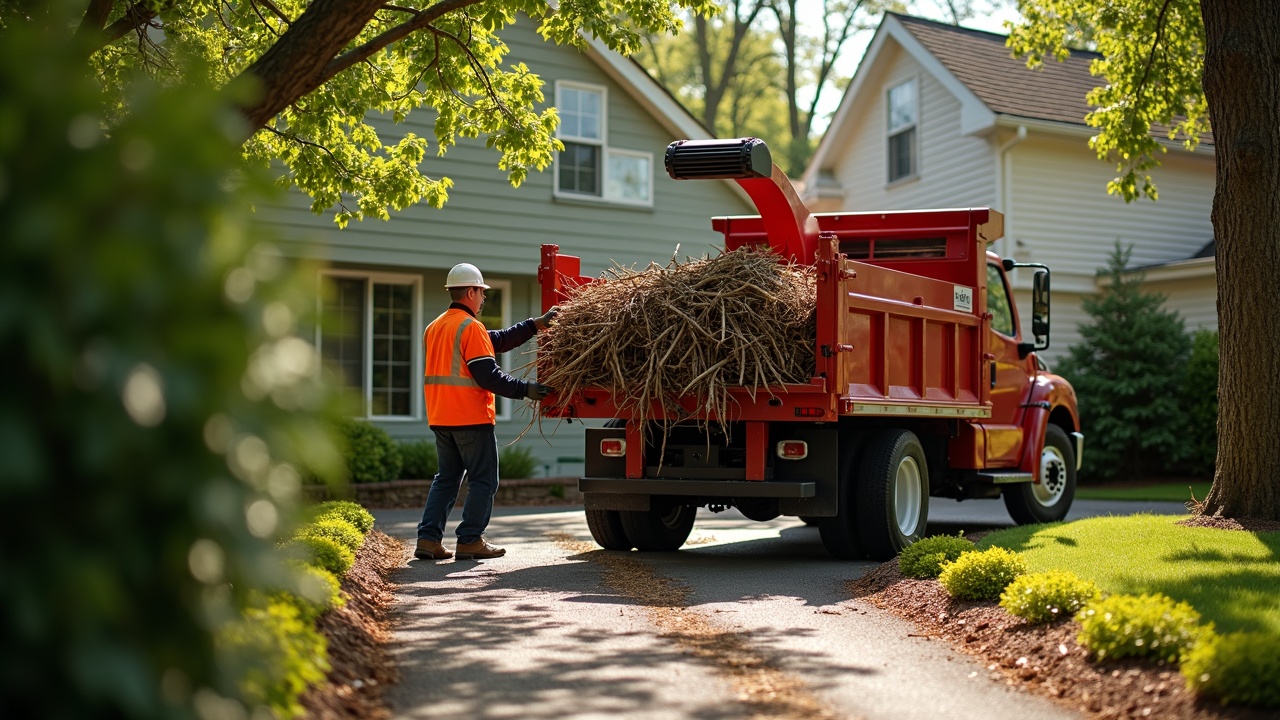
Tree service debris hauling is where most tree companies quietly lose thousands of dollars every month—not because they lack equipment or crew, but because they fail to capture cleanup jobs at the point of first contact. When a homeowner calls about a tree removal, they're almost always open to debris hauling, mulch delivery, or wood chip services, but if that call goes unanswered or the conversation rushes past add-ons, the revenue disappears before you even know it existed.
The Real Problem: You're Completing Jobs Without Capturing the Full Revenue
Most tree service companies leave 20-40% of potential revenue on the table by treating debris hauling as an afterthought instead of a primary revenue stream. The core issue isn't pricing or capability—it's that the conversation about cleanup never happens during the initial booking call, when customers are most willing to say yes to everything at once.
Here's how it plays out: A homeowner calls about removing a dying oak tree. Your crew shows up, drops the tree, cuts it into sections, and leaves. The customer then calls someone else to haul the debris—or worse, they call you back three days later asking for a quote, which requires a second trip, new scheduling, and often a discount because "you were already here."
Here's what most articles won't tell you: The problem isn't customer demand for debris hauling services. According to Bureau of Labor Statistics data, tree trimming and debris removal services have grown 23% faster than core tree removal work over the past five years. Customers want comprehensive cleanup—they just need someone to offer it clearly during the first conversation.
The breakdown happens in three specific places:
- Missed calls during peak inquiry hours: Homeowners call multiple tree services after a storm or when they notice a dangerous tree. Whoever answers first and offers a complete solution gets the entire job—removal, cleanup, hauling, everything.
- Rushed booking conversations: Your crew answers between jobs, focuses only on the tree work itself, and never mentions debris hauling options because they're thinking about the next site.
- No systematic upsell process: Even when calls get answered, there's no trained person asking "Would you like us to haul all debris away, or just the large sections?" and "We can also deliver wood chips for your garden beds—how many yards would help?"
Why Tree Service Cleanup Revenue Disappears
The gap between offering debris hauling and actually capturing that revenue comes down to call handling. When you miss calls or handle them poorly, customers make assumptions—and those assumptions cost you. They assume you only do tree work. They assume debris removal costs extra and will be complicated to arrange. They assume they need to coordinate cleanup separately.
Research from InsideSales.com shows that response times beyond five minutes decrease conversion rates by 400%. In tree service work, that delay doesn't just lose the inquiry—it loses the upsell conversation entirely. By the time you call back, the customer has already mentally budgeted for just the tree removal, making it harder to add debris hauling without sounding like you're piling on charges.
Even when you answer promptly, untrained call handlers miss the revenue. They quote the tree work, confirm the date, and hang up. They never ask about stump grinding, never mention mulch delivery, never offer to haul everything away. The customer books the base service and you've locked in 60% of what the job could have earned.
What Happens When Cleanup Jobs Get Booked Separately
Customers who call back days later for debris hauling create operational chaos. You're now scheduling a second trip, dispatching a crew that could be earning money on a new site, and often discounting the work because the customer feels annoyed they have to arrange this separately. You lose margin, lose crew efficiency, and lose the next job because your team is tied up on follow-up work that should have been bundled from the start.
How to Capture Every Tree Service Debris Hauling Opportunity
Capturing cleanup revenue requires someone answering every call who's trained to sell complete solutions, not just schedule tree removals. That person needs to ask specific questions that naturally lead to debris hauling, mulch delivery, and wood chip sales: "What's your plan for the debris after we drop the tree?" and "Would you like us to handle all of that, or just the removal?"
The most successful tree service companies treat debris hauling as the default option, not an add-on. Instead of asking if customers want cleanup, they quote the full job—removal plus complete hauling—then offer to adjust downward if the customer wants to handle debris themselves. This reverses the psychology. Now the customer has to opt out of cleanup rather than opt in, which dramatically increases attachment rates.
Many tree service operators struggle with this because they're too busy running jobs to train someone on these conversations—or they don't have anyone answering calls consistently in the first place. That's where Book All Leads becomes the front office you've never had time to build. A full team that answers every call live, asks the right questions to surface debris hauling opportunities, and books complete jobs with all revenue captured upfront. No software for you to learn, no new hires to manage—just a team that treats every inquiry like the revenue opportunity it actually is.
What to Ask on Every Tree Service Call to Maximize Debris Revenue
The conversation that captures tree service cleanup revenue follows a simple pattern: qualify the tree work, then immediately transition to debris handling before quoting anything. The customer called you to solve a problem—a dangerous tree, an overgrown canopy, storm damage—and cleanup is part of solving that problem completely.
Start with: "Once we remove the tree, what's your plan for the wood and debris?" Most homeowners haven't thought this through. They assumed you'd handle it, or they vaguely imagined hauling it themselves. This question surfaces their uncertainty and opens the door.
Then offer the comprehensive solution: "We can haul everything away and leave your property clean, or if you'd like, we can section the wood for firewood and deliver wood chips for your landscaping. Which works better for you?"
Notice what just happened. You didn't ask if they want debris hauling. You asked which type of debris service fits their situation. That question assumes cleanup is part of the job and gives them two value-adding options, both of which generate revenue for you.
How to Position Tree Service Mulch Delivery and Wood Chip Sales
Wood chips and mulch represent pure margin because you're monetizing waste. Instead of paying to dump debris, you're delivering it to customers who need landscaping material. But most tree services never mention this option because the booking conversation doesn't create space for it.
The positioning is simple: "We'll have wood chips available from your tree and others we're working on this week. A lot of homeowners use them for garden beds, pathways, or erosion control. We can drop 3-5 yards for just [price]—interested?" You've just turned disposal cost into revenue, and the customer gets landscape material at a fraction of retail cost.
For customers who want firewood, offer to section logs into 16-inch rounds instead of hauling them. Charge for the labor, and now you're earning money on both sides—for processing the wood and for hauling what's left.
Why Tree Service Additional Revenue Requires Fast Response and Trained Conversations
Speed determines whether you get to have the debris hauling conversation at all. According to Vendasta research on local service businesses, 78% of customers book with the first company that responds comprehensively. In tree service, "comprehensively" means addressing the tree work and the cleanup in one conversation. If you call back an hour later, someone else already booked the whole job.
But speed without skill still loses revenue. A crew member who answers between jobs will quote tree removal and move on. They're focused on the work, not the sale. You need someone whose only job is to maximize the value of every call—someone who knows that tree service debris hauling isn't a favor you do for customers, it's a premium service that solves a real problem and deserves to be sold confidently.
Training matters because the language changes everything. "Do you want us to haul the debris?" gets a 30-40% yes rate. "What's your plan for debris removal—would you like us to handle everything and leave your property clean?" gets a 70-80% yes rate. The second version acknowledges that debris is a problem, positions your service as the complete solution, and makes saying yes feel like the smart, easy choice.
Real-World Example: What Happens When You Capture Cleanup Revenue Upfront
One tree service operator in North Carolina was averaging $1,200 per tree removal job. Debris hauling came up in maybe 40% of jobs, usually as an afterthought when the customer called back. He started using a front office team trained to ask about cleanup during the initial call, position it as part of the complete service, and quote the full job upfront. Within 60 days, his average job value hit $1,850—a 54% increase—because debris hauling, stump grinding, and wood chip delivery became standard add-ons instead of occasional extras.
The shift wasn't in pricing or capability. He'd always offered these services. The shift was in who answered the phone and what they said in the first two minutes of the call.

How Much Revenue Are You Losing by Not Selling Debris Hauling?
If you're completing 10 tree removal jobs per week and debris hauling gets added to only 40% of them, you're leaving 6 upsells on the table every week. At an average of $300-$600 per debris haul, that's $1,800 to $3,600 in weekly revenue you're not capturing—between $93,600 and $187,200 annually.
Add in missed calls entirely, where the job goes to a competitor, and the losses multiply. If you're missing 30% of inbound calls during peak hours, you're losing the entire job value plus all potential upsells. Use our calculator to see exactly what missed calls and incomplete upsells cost your operation each month.
The tree service operators capturing this revenue aren't doing anything technically complex. They're answering every call, asking about cleanup during every conversation, and quoting complete jobs as the default. That consistency turns debris hauling from an occasional add-on into a reliable revenue stream that grows as your call volume grows.
What Successful Tree Services Do Differently with Debris and Cleanup Upsells
Top-performing tree service companies treat debris hauling like a product line, not a side service. They have pricing ready, they train everyone who touches a customer conversation, and they track attachment rates the same way they track job volume. If debris hauling isn't getting added to 70%+ of tree removals, they know something's broken in the sales conversation.
They also recognize that the person answering the phone controls the revenue, not the crew doing the work. The crew executes what was sold. If debris hauling wasn't sold, it doesn't get done—or it gets added awkwardly on-site, often at a discount because the customer feels ambushed.
These companies invest in call handling the same way they invest in equipment. They either hire and train a dedicated office person or they bring in a team that specializes in selling complete jobs from the first call. Either way, they've made a decision: revenue growth comes from capturing more value per customer, and that starts with better conversations.
Frequently Asked Questions
How much should I charge for tree service debris hauling?
Debris hauling should be priced based on volume and disposal costs in your area. Most tree services charge $250-$600 per truckload depending on dump fees, distance, and labor. Price it as a separate line item so customers see the value, but quote it as part of the complete job to increase acceptance rates. If you're hauling debris you'd otherwise pay to dump, you're already saving money—charging for the service turns cost into profit.
Should debris hauling be included in tree removal quotes or sold separately?
Quote debris hauling as part of the full job, then give customers the option to remove it if they want to handle cleanup themselves. This approach dramatically increases attachment rates because customers have to opt out rather than opt in. When you quote tree removal alone and then try to add debris hauling, it feels like an upsell. When you quote the complete job and offer to reduce scope, it feels like flexibility.
What's the best way to sell wood chip delivery to customers?
Mention wood chip availability immediately after discussing debris hauling: "We'll have fresh wood chips from your tree and others we're working on—most homeowners use them for landscaping, pathways, or erosion control. We can drop 3-5 yards for [price]. Interested?" This positions wood chips as a value-added service, not waste disposal. Many customers didn't realize wood chips were an option, and offering it shows you're thinking about their full property needs.
How do I train my team to upsell debris hauling without sounding pushy?
Replace "upsell" language with problem-solving language. Instead of "Do you want debris hauling?" ask "What's your plan for the wood and debris once we remove the tree?" This surfaces their uncertainty and positions you as the solution. Then offer options—haul everything, section wood for firewood, deliver chips—so they're choosing how you help, not whether you help. Customers don't feel pushed when you're solving a problem they already have.
Why do I lose debris hauling jobs even when I offer them?
You're likely offering too late in the conversation or not offering confidently. If debris hauling comes up after you've already quoted tree removal and confirmed the date, it feels like an add-on charge. If it's mentioned hesitantly—"We can also haul debris if you want"—it sounds optional and expensive. Offer it early, as part of the complete solution, and position it as the default. Customers say yes to services that feel like standard practice, not extras.
Can I make money selling wood chips and mulch from tree service jobs?
Absolutely. Wood chips cost you nothing to produce and selling them turns disposal expense into revenue. Charge $30-$60 per yard delivered, depending on your market. Homeowners pay $40-$80 per yard at garden centers, so your pricing is competitive and your margin is pure profit. Some tree services build ongoing delivery routes, supplying landscapers and garden centers with chips from every job. It's one of the highest-margin revenue streams in the business.
Stop Leaving Tree Service Debris Hauling Revenue on the Table
Tree service debris hauling isn't a bonus service—it's core revenue you're already creating on every job. The only question is whether you're capturing it or leaving it for someone else. When you answer every call fast, ask the right questions, and position cleanup as part of the complete solution, debris hauling becomes as predictable as the tree work itself.
The operators growing revenue fastest aren't getting more leads. They're converting more of the calls they already receive by booking complete jobs instead of partial ones. That shift requires someone answering the phone who knows how to sell the full value of your service, not just schedule the work.
If you're ready to stop losing cleanup revenue and start capturing every dollar your jobs generate, Book All Leads gives you a front office team trained to do exactly that—live in five days, no software to learn, no contracts locking you in. Just people who answer every call and book complete jobs. See what changes when every conversation maximizes your revenue instead of leaving it on the table.
John Edmonds is a native Texan and military combat veteran. He founded Book All Leads after identifying a critical gap in the service industry: business owners losing revenue not from lack of skill, but because no one was handling the calls, follow-ups, reviews, and payments while they were busy doing the work.
View LinkedIn Profile →