
Tree service residential customers increasingly choose national franchises like Davey Tree and Bartlett over local operators—not because local companies do worse work, but because franchises answer the phone faster, sound more professional on first contact, and follow up consistently. Local tree service companies lose an estimated 30-40% of inbound leads to missed calls and slow response times, while franchises staff dedicated call centers that convert inquiries within minutes. Winning back residential customers requires matching franchise-level responsiveness while leveraging the personal service and local expertise that big companies can't replicate.
The Real Reason You're Losing Tree Service Residential Customers
You didn't lose that $4,500 oak removal job because your price was too high. You lost it because you returned the call three hours after the homeowner left a voicemail, and by then Bartlett had already scheduled a free estimate for the next morning. The work quality never entered the conversation—you weren't even at the table.
Here's what most articles won't tell you: Residential tree service customers don't comparison shop the way commercial property managers do. They call 2-3 companies, hire whoever responds first with confidence, and stop calling the rest. According to InsideSales.com, leads contacted within five minutes are 21 times more likely to convert than those contacted after 30 minutes. For tree work—where homeowners are often calling about storm damage, hazardous limbs, or urgent safety concerns—that window is even tighter.
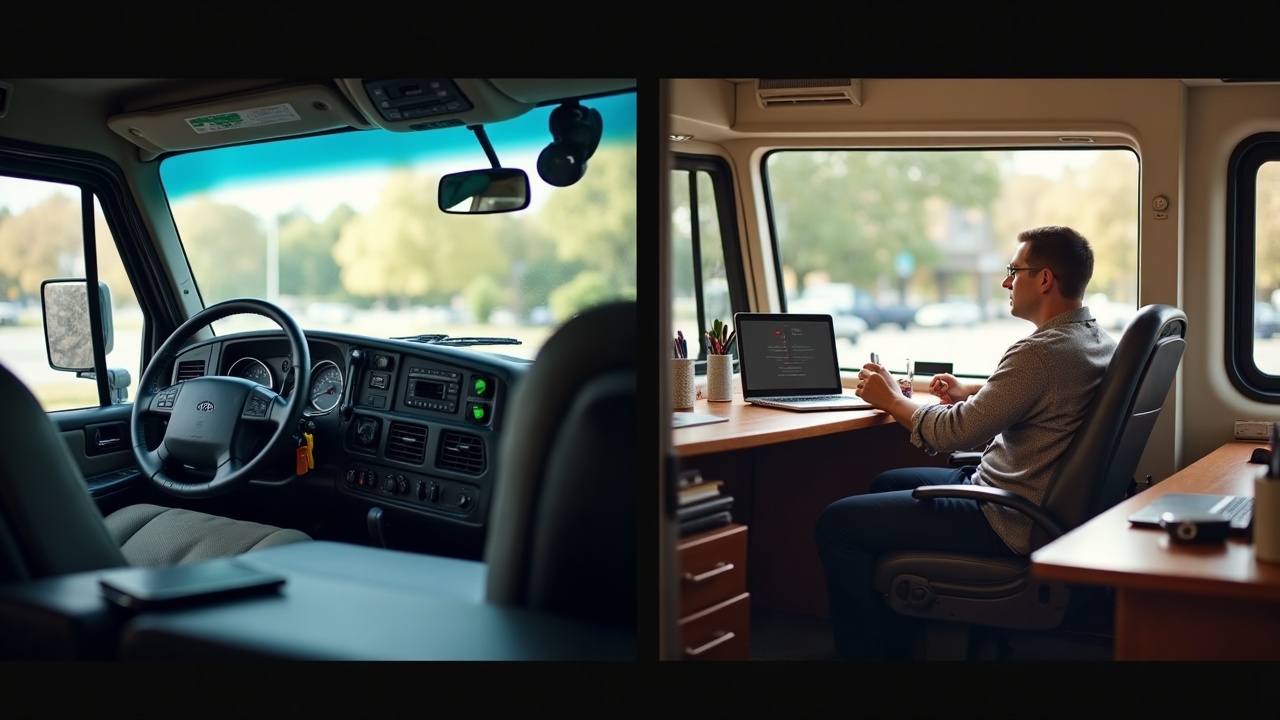
National franchises win on speed, not skill. They've built their entire front office around capturing that first-contact advantage. Local operators are out grinding stumps, climbing trees, and running crews. The phone rings in a truck cab or goes to voicemail. The estimate gets written on a tailgate at 7 PM. The follow-up text? It never happens.
Meanwhile, Davey Tree's call center picks up on ring two, books the estimate while the homeowner is still on the phone, sends a confirmation email within 60 seconds, and follows up the next morning. The homeowner thinks, "These people have their act together." You think, "I've been doing this for 15 years and do better work." Both are true. Only one wins the job.
Why Local Tree Companies Can't Keep Up With Franchise Front Offices
Local tree service operators lose the front office battle because they're trying to run six roles with one distracted person—usually the owner, between job sites, with gloves still on. Franchises separate revenue-generating work from revenue-capturing work. You're doing both, and the capturing part suffers first.
Consider what happens during spring storm season. You're running three crews, handling emergency takedowns, writing estimates between jobs, and ordering equipment. Your phone buzzes 40 times a day. You answer half, miss a quarter, and return the rest hours later. Each missed call costs you an average of $1,200 in lost residential work, and you're missing 8-12 calls per week during peak season. That's $57,600 in revenue walking away before you even get a chance to bid.
Franchises don't have this problem because their estimators never touch a chainsaw. Their call teams never climb a tree. The person answering the phone at 8 AM on Monday has one job: capture the lead, sound competent, and book the appointment. You're trying to do that while rigging a 60-foot pine over a house.
The Trust Gap That Phone Speed Creates
Fast phone response doesn't just capture leads—it builds perceived credibility. When a homeowner calls about a $6,000 tree removal, they're nervous. Trees fall on houses. Unlicensed crews disappear after deposits. A quick, professional answer signals safety and legitimacy. A voicemail that goes unreturned for four hours signals risk.
Bartlett and SavATree know this. Their phone scripts are designed to transfer trust in the first 30 seconds: confirm insurance, mention certifications, offer a specific appointment slot. By the time you call back, the homeowner has already mentally committed to the franchise—they're just waiting for the estimate to confirm the price is reasonable.
How National Franchises Capture Tree Service Residential Customers
National tree service franchises win residential customers by treating lead capture as a specialized function, not an afterthought. They staff dedicated call teams who don't estimate, don't climb, and don't run jobs—they just answer phones, qualify leads, and book appointments. That single-minded focus converts 60-70% of inbound calls, compared to 20-30% for most owner-operated tree services.
Here's their playbook:
- Live answer in under 15 seconds — No voicemail, no "leave a message," no texting back later. A human picks up while the homeowner still has your number on screen.
- Immediate appointment booking — The call ends with a date and time, not a vague "we'll get back to you." Homeowners hang up feeling like progress happened.
- Automated follow-up — Confirmation emails, reminder texts, post-estimate check-ins. The customer never wonders where things stand.
- Professional first impression — Scripts that mention insurance, certifications, and references in the first minute. No "uh, let me check my calendar" or "can I call you back after this job?"
This isn't magic—it's just division of labor. While you're doing the skilled work that actually requires 15 years of experience, they've hired someone whose entire job is sounding credible on the phone. The homeowner can't evaluate climbing skill or rigging expertise over the phone, so they evaluate responsiveness and professionalism instead. Franchises win that contest every time.
What compounds the problem: residential customers rarely get multiple estimates anymore. According to Vendasta, 68% of local service customers hire the first company that responds professionally and can come out within 48 hours. That means the job isn't lost when you price it wrong—it's lost before you ever hear about it.
What It Actually Takes to Win Back Residential Tree Service Customers
Winning back tree service residential customers from franchises requires matching their front-office speed while delivering the personal service and local accountability they can't offer. You're not trying to become Davey Tree—you're trying to answer as fast as Davey while being the owner who shows up to the estimate and remembers the customer's name six months later.
The fix isn't working longer hours or hiring a part-time receptionist who can't answer tree-specific questions. It's building a real front office that handles calls, books jobs, and follows up like a franchise, but represents your local company. That means live answer during business hours, immediate appointment booking, and enough tree service knowledge to sound credible when a homeowner asks, "Do I really need to remove this oak, or can you just trim it?"
Book All Leads handles this exact problem for tree service companies. You get a full front office team—six roles including call answering, appointment scheduling, payment collection, and follow-up—working under your company name. They answer your phones live, book your estimates, and sound like they've worked for you for years. No software for you to learn, no part-time receptionist to train. Live in five days, no contracts. The customer thinks they called your office. You get a text with the appointment details.
But whether you build this in-house or hire a team to do it, here's what has to happen:
Answer Every Call During Business Hours
Not most calls. Every call. If you're advertising, running truck wraps, or paying for Google Ads, every missed call is torched money. Residential customers call once, maybe twice. After that, they move to the next number. Voicemail is not an option—it's a polite way to lose $1,500 jobs.
Book Appointments on the First Call
No "I'll check my schedule and call you back." No "text me your address and I'll let you know." The call ends with a date, time, and confirmation. Homeowners are calling you while standing in their yard, looking at the problem. Book them now or lose them to whoever does.
Follow Up Like You're Competing Against Professionals (Because You Are)
Send a confirmation text within 10 minutes. Follow up the day before the appointment. After the estimate, check in within 24 hours. Franchises do this automatically. If you don't, you're the one who looks disorganized—even if you're the better arborist.
Sound Like You Know What You're Talking About on the Phone
The person answering your phone needs to know the difference between a hazardous tree and a nuisance branch, understand basic pricing structure, and answer common questions without putting the customer on hold. "Let me have someone call you back" is a lead-killer. Franchises train for this. You need to as well.
Real-World Example: How One Local Tree Service Took Back Market Share
A tree service company in northern Virginia—we'll call them Summit Tree Care—watched their residential job volume drop 35% over two years. They blamed Bartlett and Davey Tree. "We do better work, we charge less, and we still lose bids," the owner told us. The problem wasn't the bids—it was that they weren't getting to bid at all.
Summit was missing 40% of inbound calls during peak season. The owner was answering between jobs, returning calls hours later, and losing estimates to franchises who booked appointments while he was still in the tree. He hired a part-time receptionist, but she couldn't answer technical questions and routed too many calls to voicemail when she was unsure. Customers hung up and called Bartlett.
Summit switched to a managed front office team that answered every call live, booked estimates immediately, and followed up automatically. Within 90 days, their estimate volume increased 52%. Their close rate went up because they were finally getting in front of customers before franchises locked them in. Six months later, residential revenue was up 68% year-over-year—not because they changed their pricing or marketing, but because they stopped losing leads at the front door.
The owner still does the estimates and runs the crews. But now when a homeowner calls about a storm-damaged maple, a real person answers, books the appointment for the next morning, and sends a confirmation text before the customer hangs up. Same local company. Same owner. Franchise-level responsiveness.
The Hidden Cost of Losing Residential Tree Service Customers Early
When you lose a residential tree customer to a franchise in the lead stage, you're not just losing one job—you're losing years of repeat revenue and referrals. According to Bain & Company, increasing customer retention by just 5% can increase profits by 25-95%, because repeat customers spend more and refer others. In tree service, a homeowner who hires you for a $2,000 pruning job will call you again for removals, storm cleanups, and refer you to neighbors. That lifetime value is $8,000-$15,000.
Franchises understand this, which is why they spend so heavily on lead capture. They know that winning the first job—even at a lower margin—locks in years of repeat business. When a homeowner hires Bartlett for an initial pruning, Bartlett becomes "their tree guy." You never get a shot at the follow-on work.
Local companies have a structural advantage here: you're the owner, you show up to the estimate, and you're still in town when the customer needs you again in three years. Franchises rotate estimators and crews. You can offer continuity and personal accountability they can't. But none of that matters if you lose the customer before the first appointment.
Want to see what your missed calls are actually costing you? Calculate your losses based on your average job value and current lead volume.
Why "Just Hire a Receptionist" Doesn't Solve the Problem
Most tree service owners think the fix is hiring a receptionist or an office manager. That works for a plumbing company with steady call volume and straightforward scheduling. It doesn't work for tree service, where calls spike unpredictably after storms, estimates require site visits with weather-dependent scheduling, and customers ask technical questions that a generic receptionist can't answer.
Here's what actually happens when you hire one person to handle your front office:
- They're overwhelmed during storm season and under-utilized in winter.
- They can't answer technical questions, so they route calls to you anyway.
- When they're sick, on vacation, or at lunch, you're back to missing calls.
- They quit after 11 months, and you spend six weeks training a replacement.
A single receptionist is a single point of failure. Franchises don't rely on one person because they know it doesn't scale. You need depth: someone to answer calls, someone to handle scheduling conflicts, someone to follow up on unpaid invoices, someone to call no-shows. That's not a receptionist—that's a front office team.
Building that in-house means hiring three people, training them on your business, and managing them while you're running jobs. Or you hand it off to a team that does this for multiple tree service companies, already knows the trade, and works under your brand. Most owners don't have time to build the first option, which is why they keep losing calls to franchises that already solved this problem.
How to Compete Without Becoming a Franchise
You don't need to franchise your tree service or hire 10 office staff to compete with Davey Tree. You need to separate lead capture from the skilled work only you can do. That means your phone is always answered by someone who sounds professional, knows enough about tree work to triage calls, and can book estimates without waiting for you to check your calendar between jobs.
The fastest way to do this: treat your front office like you treat your equipment. You don't build your own bucket truck—you buy or lease one that works. Same logic applies here. You can build a front office from scratch, or you can plug into a team that already does this for tree service companies, works under your name, and costs less than hiring two full-time employees.
Here's what "winning back" looks like in practice:
- Every call answered live during business hours, even when you're mid-job.
- Estimates booked on the spot, with confirmations sent before the customer hangs up.
- Follow-ups handled automatically—reminders, post-estimate check-ins, payment collection.
- Technical questions answered or escalated properly, so customers never hear "I'm not sure, someone will call you back."
This isn't about sounding bigger than you are. It's about not sounding smaller. When a homeowner calls you and gets a professional answer, a booked appointment, and timely follow-up, they assume you're a well-run company. When they get voicemail and a callback four hours later, they assume you're overwhelmed or disorganized. Both impressions happen before you ever show up to the estimate.
Franchises win on perception, not performance. You close that gap by controlling the first impression as tightly as they do.

What Your Current Customers Wish You Knew
Your best residential customers—the ones who've hired you multiple times and refer you to neighbors—aren't loyal because you're cheap. They're loyal because you showed up when you said you would, did clean work, and didn't make them chase you down for an invoice. They stuck with you despite your front office problems, not because of your front office strengths.
Here's what they won't tell you directly: they almost didn't call you back after the first voicemail. They almost hired Bartlett because Bartlett confirmed the appointment in writing and you didn't. They almost went with SavATree because SavATree followed up the day after the estimate and you didn't reach back out for a week. They gave you the job anyway because a neighbor vouched for your work—but that referral won't save you if the next customer has no prior relationship.
Referrals get you in the door. Speed and professionalism get you the job. Most tree service owners rely too heavily on the first and ignore the second. That works in a small market with limited competition. It fails when a franchise moves into your area and outworks you on the phone, even if you outwork them in the tree.
The Tactical Breakdown: What Has to Happen This Month
If you're serious about winning back tree service residential customers from franchises, here's the 30-day checklist. Don't try to fix everything at once. Start with the biggest leak: missed calls.
Week 1: Audit Your Current Lead Leakage
Track how many calls you're missing. Check your call logs, voicemails, and missed callbacks. Most tree service owners guess they're missing 10-15%. The real number is usually 30-40%. You can't fix what you don't measure.
Week 2: Decide Who Answers the Phone
You have three options: keep doing it yourself and keep losing calls, hire someone in-house and spend three months training them, or plug into a team that already does this. Pick one and commit. Indecision costs you 10-15 jobs per month.
Week 3: Implement Immediate Booking and Follow-Up
Stop telling customers "I'll check my schedule and get back to you." Book the estimate on the first call. Send a confirmation text within 10 minutes. Follow up the day before. These three changes alone will increase your close rate by 20-30%.
Week 4: Test and Adjust
Mystery-shop your own front office. Have a friend call and book an estimate. Did they get a live answer? Was the appointment confirmed in writing? Did they receive a follow-up? If any of those failed, fix it before you spend another dollar on marketing.
These aren't big strategic shifts. They're operational blocking and tackling. Franchises win because they do this every time, not because they're smarter or better funded. You can match them. You just have to treat lead capture as seriously as you treat crew safety.
Frequently Asked Questions
Why do homeowners choose national tree service franchises over local companies?
Homeowners choose franchises primarily because of faster response times and perceived professionalism, not better work quality. National companies answer calls within seconds, book appointments immediately, and follow up consistently. Local companies often miss calls, return them hours later, and skip follow-up—creating an impression of disorganization even when their actual tree work is superior.
How many leads do tree service companies lose to missed calls?
Most owner-operated tree service companies lose 30-40% of inbound leads to missed calls and slow response times during peak season. Each missed call represents an average loss of $1,200 in potential residential work. Companies missing 8-12 calls per week during spring and summer can lose $57,000+ in annual revenue before ever getting a chance to bid.
Can a small tree service company compete with Davey Tree or Bartlett?
Yes, but not by competing on brand recognition or advertising budget. Small tree companies win by matching franchise-level responsiveness while offering personal service and local accountability that large companies can't replicate. This means answering every call live, booking estimates immediately, and showing up as the owner who remembers customer names—advantages franchises with rotating crews and centralized call centers can't match.
What's the fastest way to stop losing residential tree service customers to franchises?
The fastest fix is ensuring every call is answered live during business hours and every estimate is booked on the first call. Residential tree service customers typically call 2-3 companies and hire whoever responds first with confidence. If you're sending calls to voicemail or calling back hours later, you're eliminated before work quality or pricing even enters the conversation.
Should I hire a receptionist or use a call answering service for my tree service company?
Neither works well for tree service. A single receptionist becomes a bottleneck during storm season, can't answer technical questions, and creates a single point of failure when they're sick or on vacation. Generic call answering services can't triage tree-specific questions or book estimates intelligently. You need a front office team with tree service knowledge, depth to handle call spikes, and enough context to sound like they work for your company specifically.
How much does it cost to build a front office that can compete with franchise call centers?
Building in-house means hiring 2-3 people at $35,000-$45,000 each plus benefits, then spending 90+ days training them on your business—a total cost of $85,000-$120,000 annually. Managed front office teams like Book All Leads typically cost 40-60% less because they spread expertise across multiple companies, and you avoid hiring, training, and turnover costs. Most tree service companies go live in under a week rather than three months.
Stop Losing Tree Service Residential Customers Before You Even Get to Bid
You're not losing residential tree work because franchises do better pruning or safer removals. You're losing it because they answer the phone faster, book estimates immediately, and follow up like professionals. The actual tree work—the part where your 15 years of experience matters—happens after the customer chooses you. Most of your lost jobs never get that far.
The fix isn't working longer hours or doing better tree work. It's treating lead capture as a specialized function that requires dedicated people, not something you squeeze in between bucket truck repairs and crew scheduling. Franchises already figured this out. That's why they're taking your residential customers despite charging more and doing comparable work.
You can build this in-house over six months, or you can plug into a team that does it for tree service companies and goes live in five days. Either way, the longer you wait, the more $4,500 oak removals and $8,000 pruning contracts go to Bartlett because they picked up the phone and you didn't.
If you're ready to stop losing tree service residential customers before you even get a chance to estimate, Book All Leads can have your front office running under your company name by next week. No software to learn. No hiring. No contracts. Just a team that answers your calls, books your jobs, and sounds like they've worked for you for years.
John Edmonds is a native Texan and military combat veteran. He founded Book All Leads after identifying a critical gap in the service industry: business owners losing revenue not from lack of skill, but because no one was handling the calls, follow-ups, reviews, and payments while they were busy doing the work.
View LinkedIn Profile →